
Blog Search Results


Did you mean:
coming kingdom
?
96 results for Coming kingdom
found
within the Blog
6 displayed out of 96 (1.48seconds)Page 10 of 16

Lent Day 32: Cyril of Jerusalem: Catechetical Lectures: Lecture XXI
Posted by Luke J. Wilson on 6th April 2017 in Lent | Lent,great lent,fasting,early church fathers,devotional,daily reading,Doctor of the Church,lectures,liturgy,catechism,Bishop of Jerusalem,anointing,Holy Spirit,chrism
Day Thirty-two: St. Cyril of Jerusalem: Catechetical Lectures: Lecture XXI
Who: Bishop of Jerusalem and Doctor of the Church, born about 315; died probably 18 March, 386. Little is known of his life, except from his younger contemporaries, Epiphanius, Jerome, and Rufinus, as well as from the fifth-century historians, Socrates, Sozomen and Theodoret.
What: Each of the lectures deal with a different topic to teach converts the mysteries of the Church, particularly: rites of the renunciation of Satan and his works, of anointing with oil, of baptism, of anointing with the holy chrism, and of partaking of the body and blood of Christ.
Why: Cyril delivered to new c...
Lent Day 38: Leo the Great: Sermon XXI (On the Nativity Feast I)
Posted by Luke J. Wilson on 13th April 2017 in Lent | Lent,great lent,fasting,early church fathers,devotional,daily reading,Doctor of the Church,lectures,Leo the Great,St Leo,hypostatic union,deity of christ,Pope Leo I,christology,sermon
Day Thirty-eight: St. Leo the Great: Sermon XXI (On the Nativity Feast I)
Who: Leo the Great, also known as Pope St. Leo I (the Great), was Pope from 440-61 AD. Place and date of birth unknown; died 10 November, 461. Leo's pontificate, next to that of St. Gregory I, is the most significant and important in Christian antiquity, as he tried to combat the heresies which seriously threatened church unity even in the West, such as Pelagianism.
What: A sermon on the Nativity at Christmas time, about the incarnation of the Word of God.
Why: To explain the incarnation and preach the Good News of our Lord and Saviour beComing man for our sake so that we may be sav...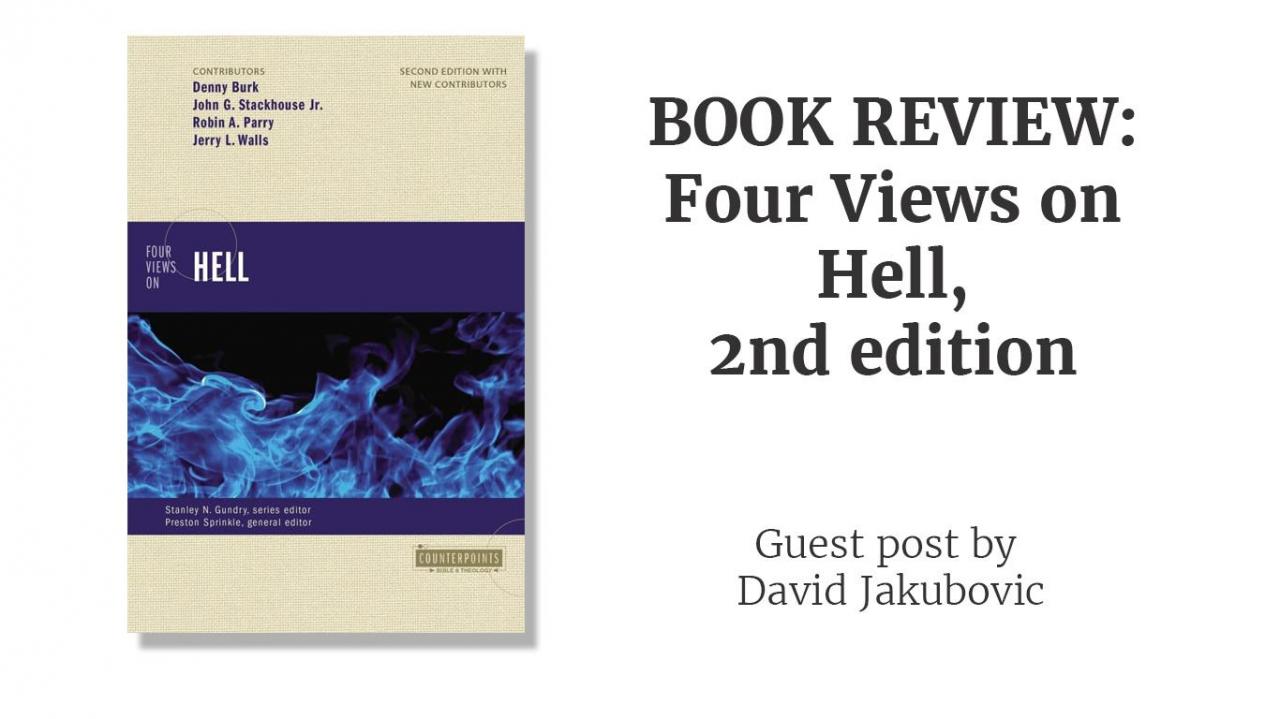
BOOK REVIEW: Four Views on Hell 2nd edition
Posted by David Jakubovic on 17th March 2021 in Book Review |
This is a guest post by David Jakubovic. The views are that of the author and don't necessarily reflect the views of That Ancient Faith.
A 20 year update of the 1996 book by the same name, this slim volume (211 pages) is a helpful cross-section of current evangelical thought on Final Punishment, sampling Denny Burk on Eternal Conscious Torment (ECT hereafter), John Stackhouse Jr on Conditional immortality (CI hereafter), Robin Parry on Christian Universalism (CU hereafter) and Jerry Walls on (a Protestant) Purgatory. Preston Sprinkle pens both Introduction and Conclusion, plus there are Scripture, Author and Subject indices.
The Introduction sets the scene,...
The Relationship Between Jesus and Sophia
Posted by Luke J. Wilson on 22nd July 2021 in Christology | wisdom,Sophia,feminism,women,christology,early church,early church fathers
Now you may be wondering about the title, or thinking “who the heck is Sophia??” — well, bear with me, and all will be revealed. It’s not as sinister or weird as it may first appear.
I saw a post on my Instagram feed the other day that just got me a little riled up. I’ll admit it, I can be a little short-tempered at times, especially around the subject of Jesus and seeing him/the Christian faith misrepresented to such a degree that it could mislead others down the wrong path. I don’t normally write responses to things like this, but I felt this one deserved it, mainly just to add some clarity to a somewhat confusing topic, and so there’s a pla...
The Temptations of Jesus: Complacency
Posted by Luke J. Wilson on 11th March 2018 in Lent | temptation,wilderness,lent,devil,satan,angels
So now we are at the end of the temptations that Jesus endured in the desert, and I wanted to look at what happens at the end. So often I think this aspect is overlooked when we read of this time in Scripture. Let’s take a look at the text:
Matthew 4:11Then the devil left him, and suddenly angels came and waited on him.
Luke 4:13When the devil had finished every test, he departed from him until an opportune time.
The two Gospel accounts both give us a varying perspective with different details. Afterwards, the devil leaves and angels “suddenly” come. This is almost a temptation in itself; one to think we are all good and safe now we've won the battl...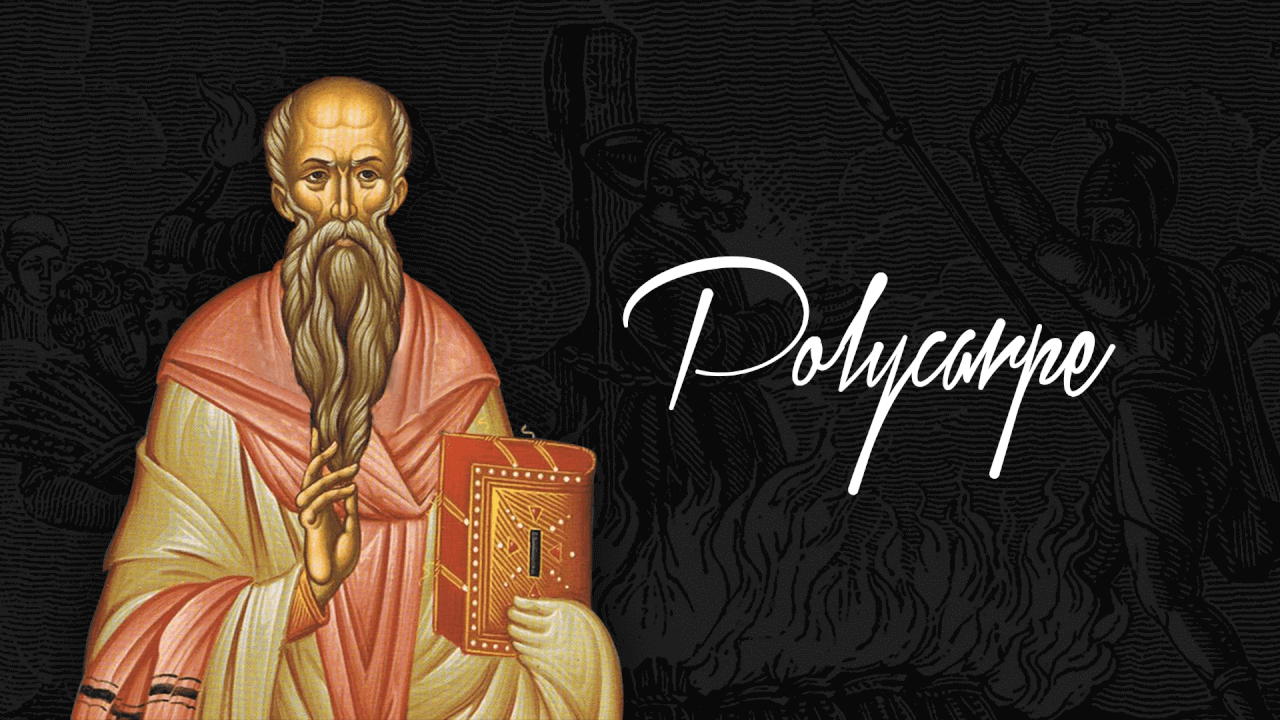
How Polycarp (And Others) Show The Early Use Of The New Testament
Posted by Luke J. Wilson on 21st November 2021 in Early Church | early church,early church fathers,polycarp,new testament,canon,biblical canon
Polycarp is one of the most important people in early church history. He was a disciple of John the Evangelist, and later became the bishop of Smyrna.
Polycarp was born around 69 A.D. in Smyrna, which is now modern-day Turkey. He grew up during a time when Christians were being persecuted for their beliefs, and he himself became a Christian at a young age. Polycarp is regarded as one of the earliest church fathers because he had a significant impact on Christianity as it spread throughout Asia Minor and Europe, and he also played an important role in shaping biblical canon for centuries to come.
We don’t know a great deal about his life, apart from t...
Powered by WebBoss.io 3.7.1
Copyright © 2026 The Sacred Faith: Timeless Truths for Modern Minds. All Rights Reserved.
