
Blog Search Results


Did you mean:
end times
?
120 results for End Times
found
within the Blog
6 displayed out of 120 (0.56seconds)Page 10 of 20

Lent Day 21: Athanasius: Life of Anthony: Chaps. 1-10
Posted by Luke J. Wilson on 24th March 2017 in Lent | Lent,great lent,fasting,early church fathers,devotional,daily reading,Athanasius,Bishop of Alexandria,Confessor,Doctor of the Church,Anthony the Great
Day Twenty-one: St. Athanasius: Life of Anthony: Chaps. 1-10
Who: Bishop of Alexandria; Confessor and Doctor of the Church; born c. 296; died 2 May, 373 AD. He was the main defEnder of orthodoxy in the 4th-century battle against the Arianism heresy. Certain writers received the title “Doctor” on account of the great advantage their doctrine had on the whole Church, Athanasius especially for his doctrine on the incarnation.
What: The biography of Anthony the Great’s life, which helped to spread the concept of Christian monasticism, particularly in Western Europe.
Why: From the letter’s own prologue: “The life and conversation of our holy Father, A...
Lent Day 30: Cyril of Jerusalem: Catechetical Lectures: Lecture XIX
Posted by Luke J. Wilson on 4th April 2017 in Lent | Lent,great lent,fasting,early church fathers,devotional,daily reading,Doctor of the Church,lectures,liturgy,catechism,Bishop of Jerusalem
Day Thirty: St. Cyril of Jerusalem: Catechetical Lectures: Lecture XIX
Who: Bishop of Jerusalem and Doctor of the Church, born about 315; died probably 18 March, 386. Little is known of his life, except from his younger contemporaries, Epiphanius, Jerome, and Rufinus, as well as from the fifth-century historians, Socrates, Sozomen and Theodoret.
What: Each of the lectures deal with a different topic to teach converts the mysteries of the Church, particularly: rites of the renunciation of Satan and his works, of anointing with oil, of baptism, of anointing with the holy chrism, and of partaking of the body and blood of Christ.
Why: Cyril delivered to new conve...
The Problem of Suffering and How We Approach it
Posted by Luke J. Wilson on 6th January 2018 in Christianity | evil,suffering,the problem of evil,human suffering,reconcilliation,pain,true religion,pure worship
The topic of human suffering is a subject many Christians struggle with, and is an issue many theologians have written about over the centuries — so it's definitely not something I can fully address in a single blog post!
But there are some general principles we can find in Scripture that many Christians can/do accept, which should act as a starting point to addressing this subject, such as:
We live in a fallen world due to sin (Gen 3), and so things aren’t perfect and neither are people, therefore suffering can happen from illness, nature, and human action (or inaction).
Not all suffering is necessarily “bad”, from a Christian perspective. For exam...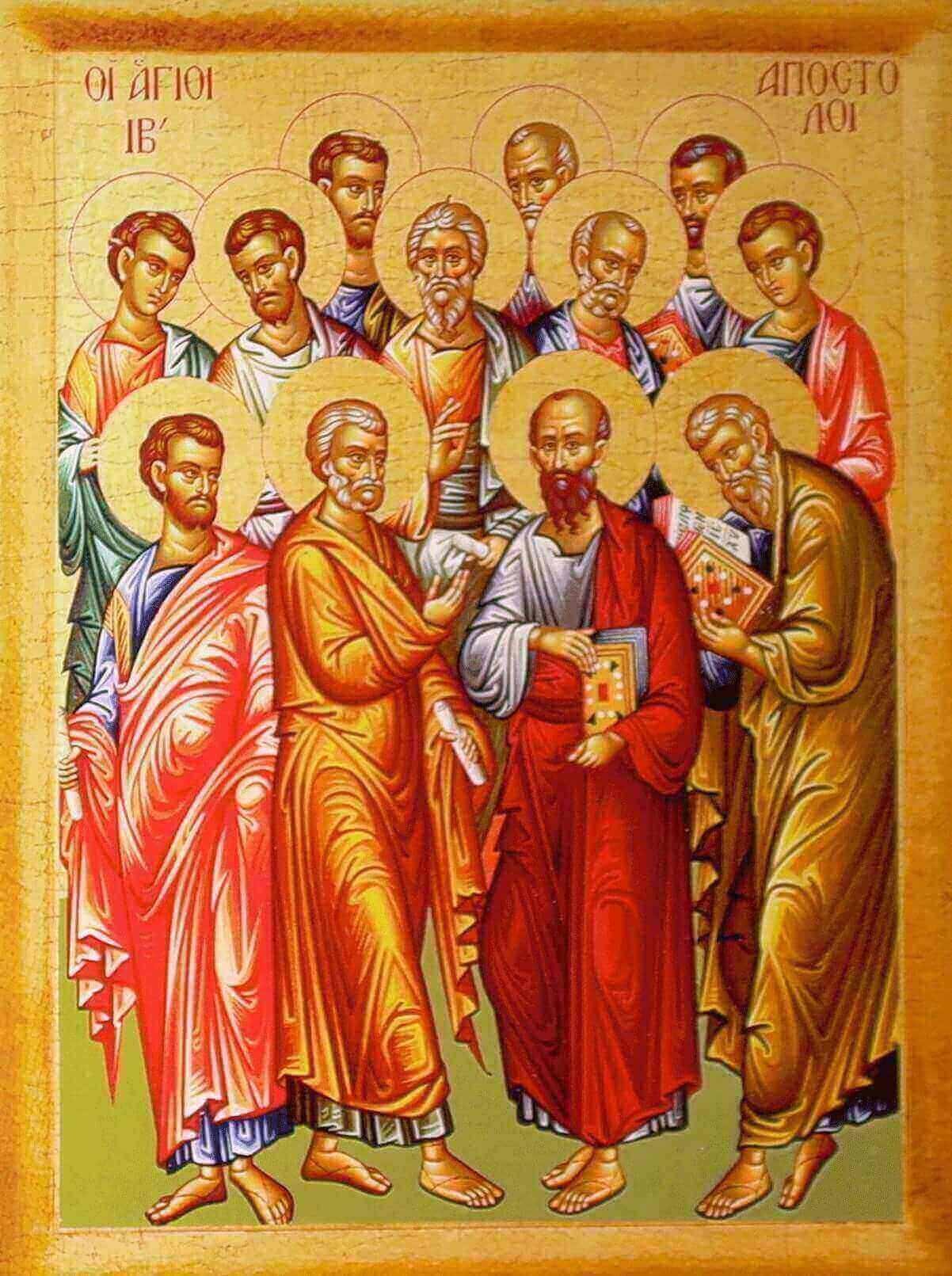
How many apostles are there in the New Testament?
Posted by Luke J. Wilson on 22nd May 2018 in Gifts of the Spirit | apostles,five fold ministry,gifts of the Spirit,Greek
Often in any discussion on the gifts of the Spirit and whether they are still active today (Cessationism vs Continuationism), the topic of Apostles comes up and whether the gift/office is still active today in the Church. Detractors of the Continuationist position will often quip that ‘if there were modern-day apostles, they would be world famous!’ – though I’m not sure why. Even the original Twelve weren’t “world famous” in the sense that they mean. But I digress. This isn't a question of practice, or opinion, but to examine the Scriptures to see what they say about the gift.
Scripture gives us an indication that this gift, or role, wasn’t jus...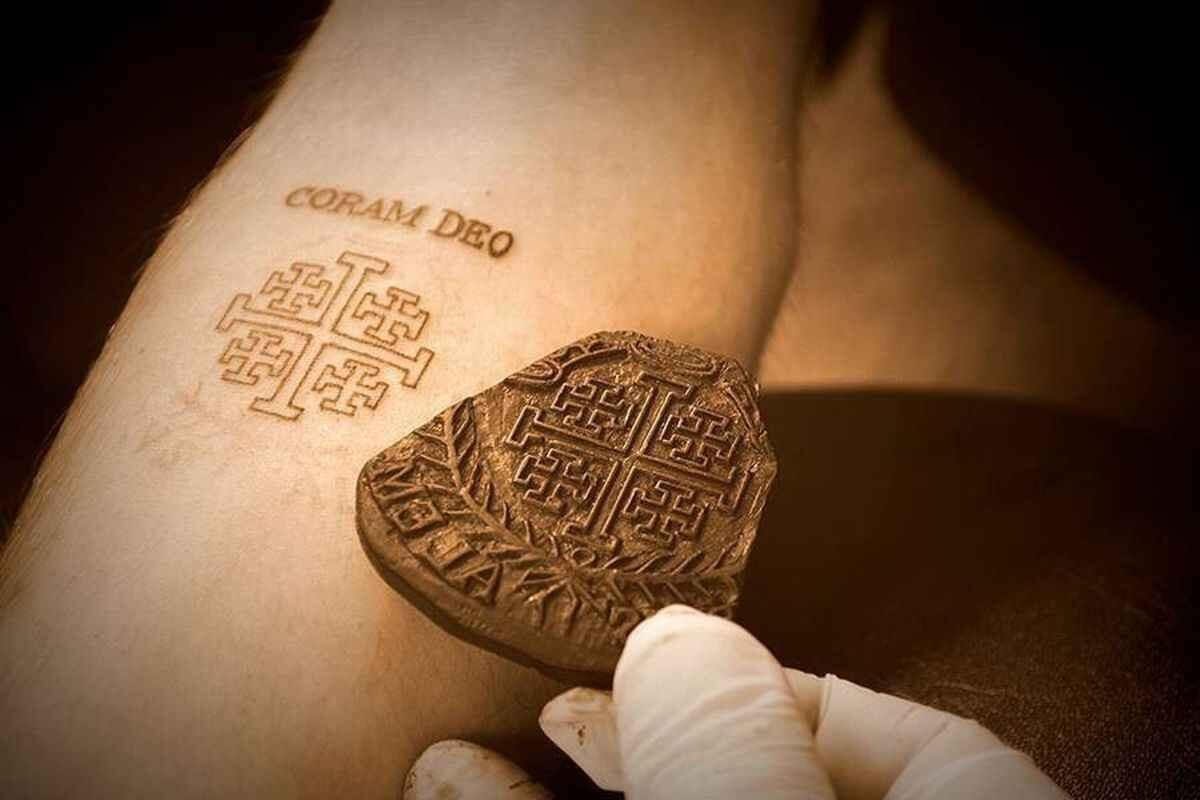
Should Christians get tattoos, and is it Biblical?
Posted by Luke J. Wilson on 31st August 2019 in Tattoos | tattoos,church history,Basil the Great,Leviticus,Old Testament
I was in a discussion not so long ago about tattoos, and I was asked about the historical view on this practice. It wasn’t something I had looked into before from a Church Fathers point of view, so it was an interesting topic of study. In my searching, I found this article from a Catholic site which seems to give a pretty interesting overview of some of the views about tattoos in the earlier centuries. The following is a quote about a Church Council in the context of native Britons, who still practiced tattooing at that time for pagan ritual, something which Tertullian also gives a fleeting reference to around 213 AD in his On the Veiling of Virgins, ch. 10....
Does Jesus mean Hail Zeus?
Posted by Luke J. Wilson on 13th June 2016 in Etymology | apologetics,refuting nonsense,hail zeus,does Jesus mean Zeus,earth pig latin,etymology,linguistics
A meme doing the rounds on the internet
You may not have come across the image above before, or the similar variants of it, but it pops up on social media groups every so often. The underlying argument is quite ridiculous, but there does seem to be a sub-culture with Christianity which promotes this as fact quite vigorously. Having seen this get shared at least three Times on Facebook in the last month, I decided to add a new category to the blog: Apologetics.
In here will be articles for defence of the faith, though sadly this particular one needs to be against those who are already meant to be a part of the same faith! But many people seem to accept...
Powered by WebBoss.io 3.7.1
Copyright © 2026 The Sacred Faith: Timeless Truths for Modern Minds. All Rights Reserved.
