
Blog Search Results


75 results for coming in the clouds
found
within the Blog
6 displayed out of 75 (0.94seconds)Page 10 of 13

Lent Day 38: Leo the Great: Sermon XXI (On the Nativity Feast I)
Posted by Luke J. Wilson on 13th April 2017 in Lent | Lent,great lent,fasting,early church fathers,devotional,daily reading,Doctor of the Church,lectures,Leo the Great,St Leo,hypostatic union,deity of christ,Pope Leo I,christology,sermon
Day Thirty-eight: St. Leo the Great: Sermon XXI (On the Nativity Feast I)
Who: Leo the Great, also known as Pope St. Leo I (the Great), was Pope from 440-61 AD. Place and date of birth unknown; died 10 November, 461. Leo's pontificate, next to that of St. Gregory I, is the most significant and important in Christian antiquity, as he tried to combat the heresies which seriously threatened church unity even in the West, such as Pelagianism.
What: A sermon on the Nativity at Christmas time, about the incarnation of the Word of God.
Why: To explain the incarnation and preach the Good News of our Lord and Saviour becoming man for our sake so that we may be sav...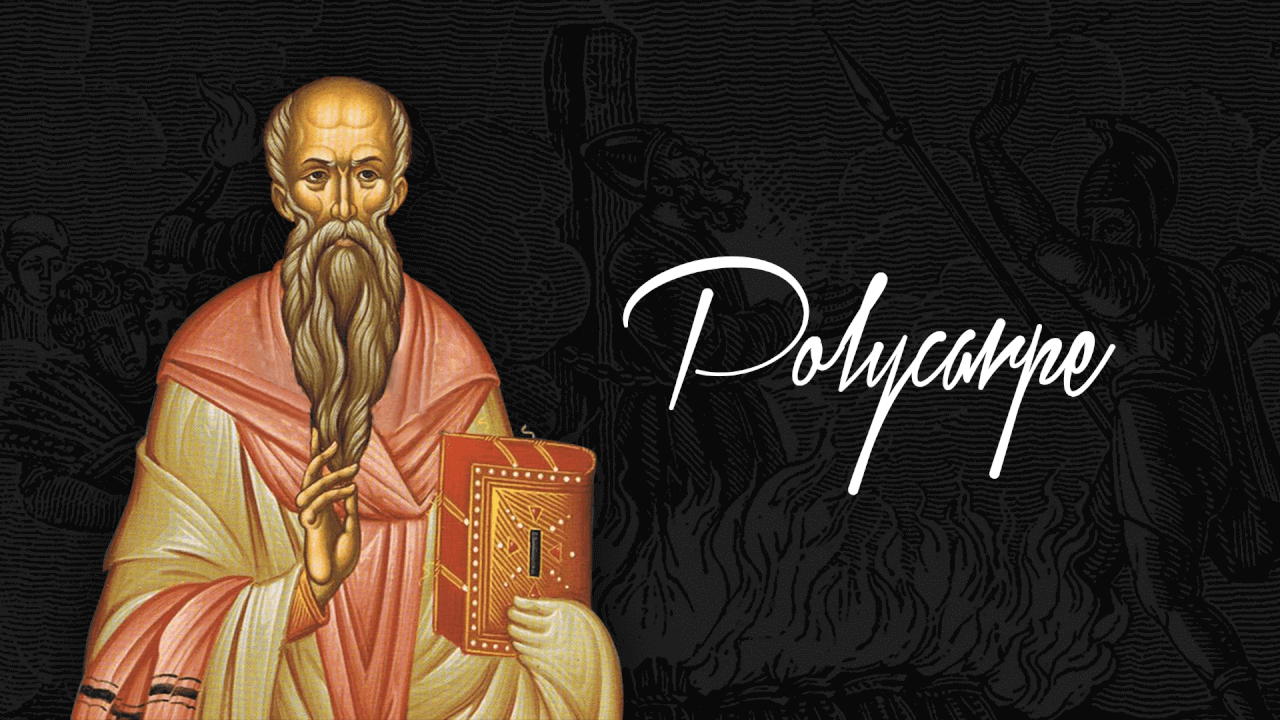
How Polycarp (And Others) Show the Early Use Of the New Testament
Posted by Luke J. Wilson on 21st November 2021 in Early Church | early church,early church fathers,polycarp,new testament,canon,biblical canon
Polycarp is one of the most important people in early church history. He was a disciple of John the Evangelist, and later became the bishop of Smyrna.
Polycarp was born around 69 A.D. in Smyrna, which is now modern-day Turkey. He grew up during a time when Christians were being persecuted for their beliefs, and he himself became a Christian at a young age. Polycarp is regarded as one of the earliest church fathers because he had a significant impact on Christianity as it spread throughout Asia Minor and Europe, and he also played an important role in shaping biblical canon for centuries to come.
We don’t know a great deal about his life, apart from t...
the Deity of Christ in the Gospel of Matthew - Part 2
Posted by KingsServant on 1st February 2023 in Apologetics |
Matthew's theme - the divine presence of Jesus
This is a guest post by “KingsServant”, see Part 1 here.
Having covered Matthew’s introduction to his gospel in his nativity account, we will now consider the way Matthew “bookends” the gospel by beginning his work with the promise of God dwelling with his people (fulfilled in the incarnation) and ending it in the same way with Jesus’ comforting promise never to leave his followers.
This theme of Matthew begins with his quotation of Isaiah 7:14, which we have already analysed in the previous article with regard to how it reveals Matthew’s teaching that Jesus is God.
As noted before, in Matthew...
the Temptations of Jesus: Complacency
Posted by Luke J. Wilson on 11th March 2018 in Lent | temptation,wilderness,lent,devil,satan,angels
So now we are at the end of the temptations that Jesus endured in the desert, and I wanted to look at what happens at the end. So often I think this aspect is overlooked when we read of this time in Scripture. Let’s take a look at the text:
Matthew 4:11then the devil left him, and suddenly angels came and waited on him.
Luke 4:13When the devil had finished every test, he departed from him until an opportune time.
the two Gospel accounts both give us a varying perspective with different details. Afterwards, the devil leaves and angels “suddenly” come. This is almost a temptation in itself; one to think we are all good and safe now we've won the battl...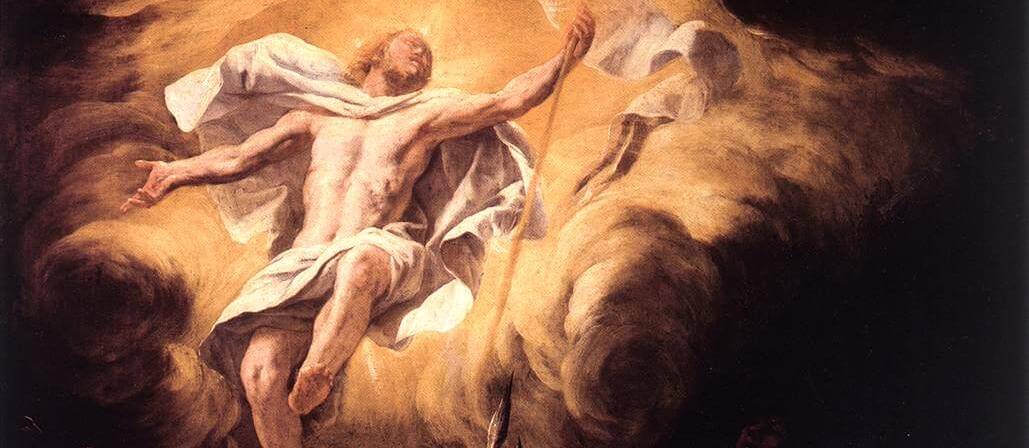
the Resurrection as a historical event
Posted by Luke J. Wilson on 29th April 2017 in Easter | resurrection,easter,apologetics,history,historical
Table of Contents
Jesus was raised bodily – and historically
the resurrection is what makes Christianity unique!
Evidence from Paul
the mystery of the resurrection
the nature of the resurrection
the resurrection is more than physical
What with Easter still ringing in our ears, I thought it would be a good time to revisit the topic of resurrection, but from a historical standpoint and why we can trust it as a real, world-changing event. So, what really is the resurrection? How will we be resurrected, and what does it mean for us that Jesus rose again? Let’s explore what this means for us as Christians, and see what the Scriptures say.
Jesus wa...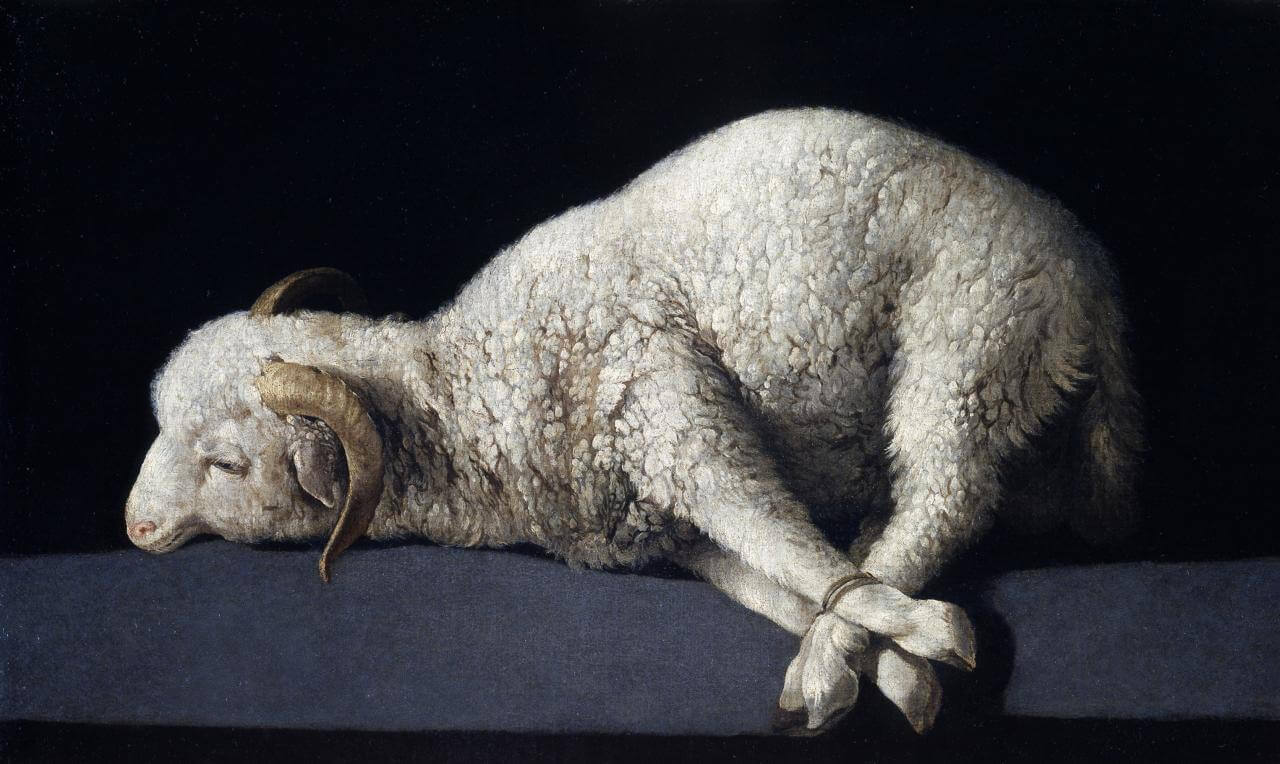
How was Jesus a sacrifice?
Posted by Luke J. Wilson on 25th March 2018 in Lent | sacrifice,sabbath,crucifixion,passover lamb,paschal lamb,sin,death,Palm Sunday
So often we hear this phrase said about Jesus, that he was “the lamb of God” and that he “takes away the sins of the world” — but what do those things mean and how did he take away sin?
John 1:29the next day [John] saw Jesus coming toward him and declared, “Here is the Lamb of God who takes away the sin of the world! (cf. Jn 1:36)
the New Testament writers repeatedly refer to Jesus as a lamb; but not only that — as a ransom too. Jesus even introduces himself that way at one point:
Mark 10:45
For the Son of Man came not to be served but to serve, and to give his life a ransom for many. (cf. Matthew 20:28)
To better understand the termi...
Powered by WebBoss.io 3.7.1
Copyright © 2026 The Sacred Faith: Timeless Truths for Modern Minds. All Rights Reserved.
