
Blog Search Results


62 results for eternal consequences
found
within the Blog
6 displayed out of 62 (0.86seconds)Page 10 of 11

Lent: Day 5 - Ignatius to the Ephesians
Posted by Luke J. Wilson on 6th March 2017 in Lent | Lent,great lent,fasting,early church fathers,devotional,daily reading,Ignatius of Antioch: Letter to the Ephesians,Ignatius
Day Five: St. Ignatius of Antioch: Letter to the Ephesians (full text)
Who: Ignatius converted at a young age and later became Bishop of Antioch. A friend of Polycarp and fellow disciple of John, there is a long standing tradition that Ignatius was the child that Jesus held in his arms and blessed in Mark 10:13-16
What: The letter has a strong call to and for unity within the church, along with respect for their bishop.
Why: Ignatius wrote a series of letters to the churches in Asia Minor whilst en route to Rome to face martyrdom by wild beasts in the Colosseum around 108 AD.
When: Around 107-108 AD
There is a strong theme to this letter from the outset, an...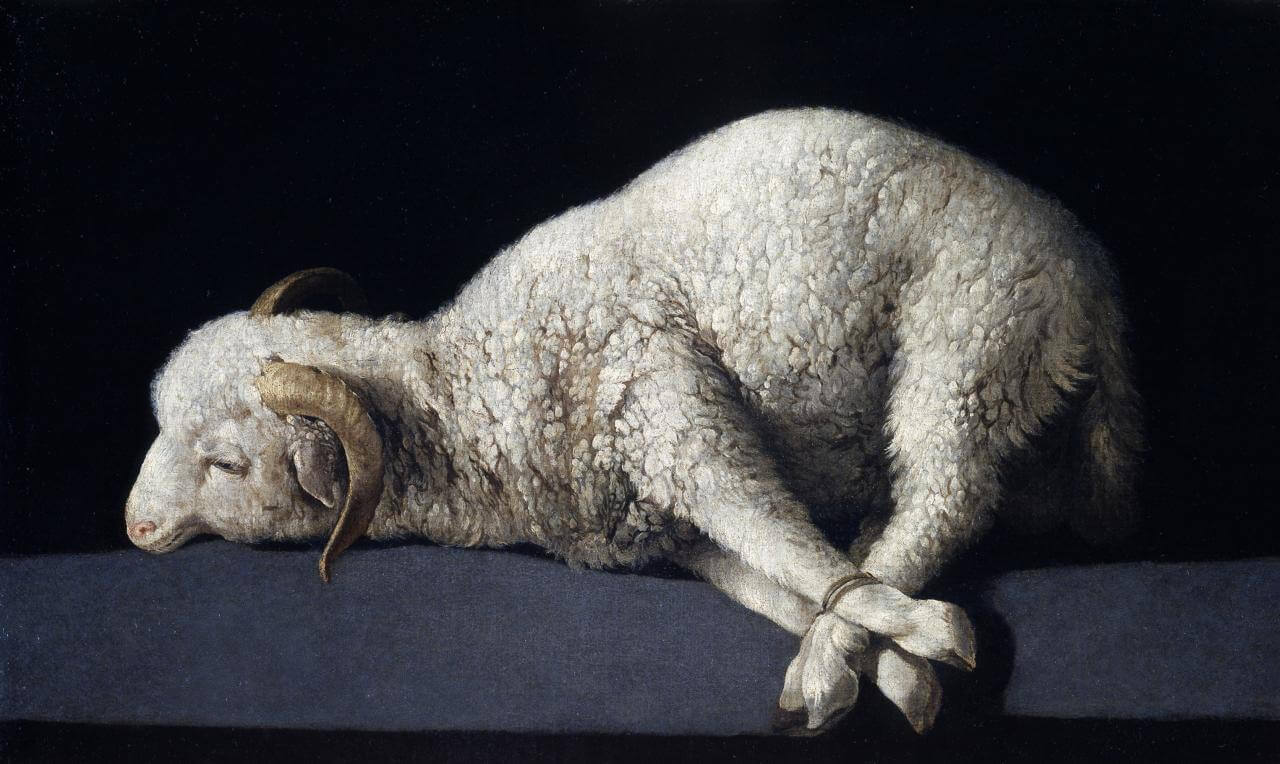
How was Jesus a sacrifice?
Posted by Luke J. Wilson on 25th March 2018 in Lent | sacrifice,sabbath,crucifixion,passover lamb,paschal lamb,sin,death,Palm Sunday
So often we hear this phrase said about Jesus, that he was “the lamb of God” and that he “takes away the sins of the world” — but what do those things mean and how did he take away sin?
John 1:29The next day [John] saw Jesus coming toward him and declared, “Here is the Lamb of God who takes away the sin of the world! (cf. Jn 1:36)
The New Testament writers repeatedly refer to Jesus as a lamb; but not only that — as a ransom too. Jesus even introduces himself that way at one point:
Mark 10:45
For the Son of Man came not to be served but to serve, and to give his life a ransom for many. (cf. Matthew 20:28)
To better understand the termi...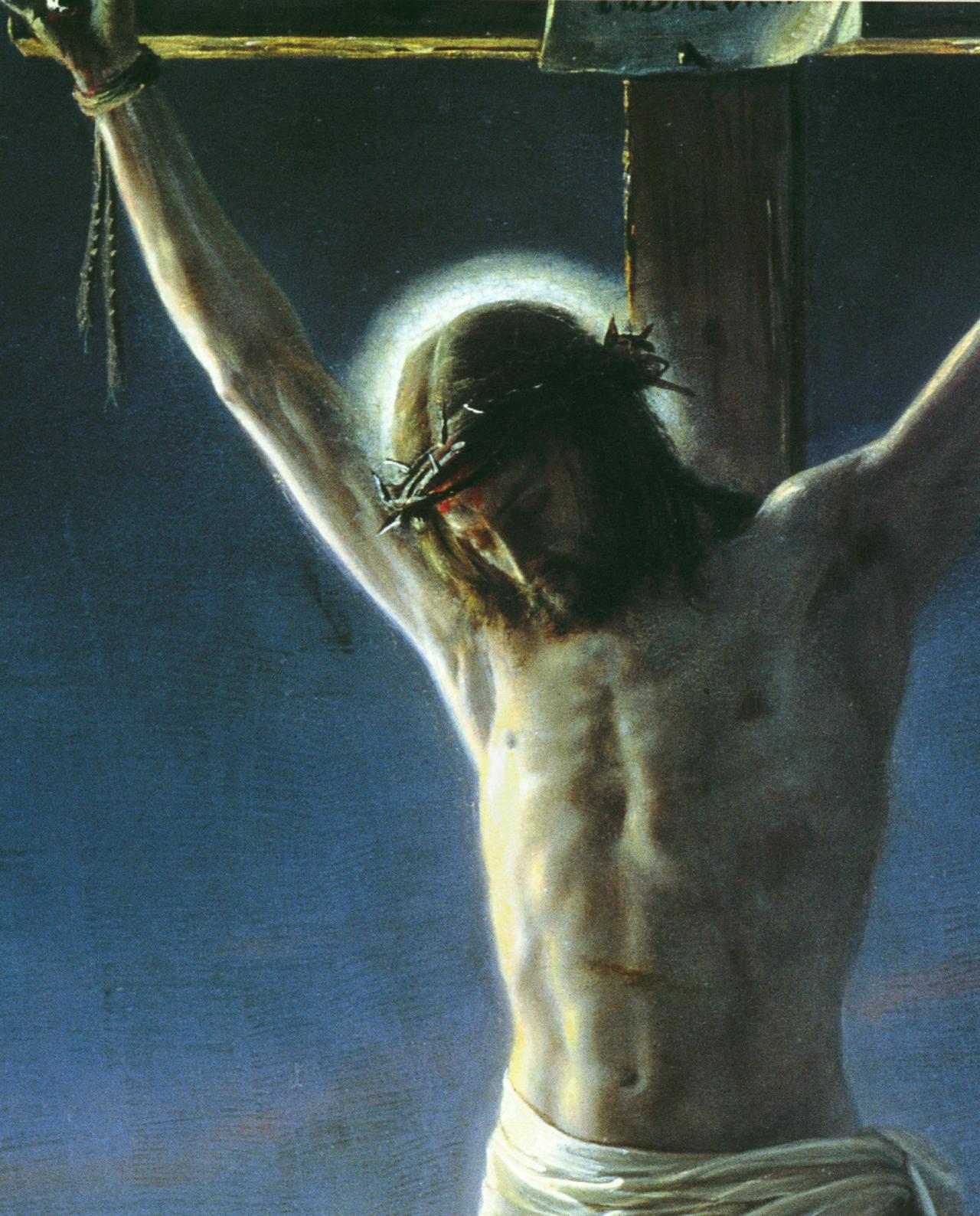
7 Ways Jesus Reverses the Curse From Eden
Posted by Luke J. Wilson on 8th April 2023 in Easter | Easter,crucifixion,gospel,kingdom of god,curse,genesis,creation
Everything about the Kingdom of God is a reversal of worldly powers (servant leadership, first shall be last, etc.). God’s ways are opposed to the World’s ways.
Likewise, everything about the Gospel is a reversal of what went wrong in the beginning of creation and nowhere is this highlighted more than during the Passion, crucifixion and resurrection of Jesus. So here are seven ways in which Jesus reverses all the mistakes and curses from creation.
1. The disobedience in the Garden of Eden is now rectified by the obedience of Jesus in the Garden of Gethsemane.
Genesis 3:11Have you eaten from the tree of which I commanded you not to eat?
Luke 22:42...
The Early Concept of the Trinity: Tracing the Roots
Posted by Luke J. Wilson on 16th November 2023 in Trinity | trinity,early church,early church fathers,tri-unity,triune God,godhead
The doctrine of the Trinity, which asserts the co-equality of the Father, Son, and Holy Spirit, has deep roots in the early Christian writings of the first three centuries. While the full articulation of the Trinity developed over time, culminating at the Council of Nicaea in the fourth century, references to the equality of these three persons can be traced back to influential documents and the teachings of early Church Fathers in the centuries leading up to this pivotal moment in Church History.
Early Church Beliefs and Teachings
One of the earliest Christian documents, the Didache, believed to have been written in the late first or early second century, pro...
Is Halloween a Pagan Holiday?
Posted by Luke J. Wilson on 30th October 2017 in Halloween | halloween,all saints day,all hallows eve,early church,tradition,cultural and society,celebrations,festivals,holidays,holy day
It's that time of year when you begin to see various articles and debates online about Hallowe'en, and whether it's entirely pagan in origin and the Church "stole it"; or if it's something that Christians should even have any part in.
Table of Contents
Origins of the holiday
Aren’t there pagan roots?
What about “Trick or Treat”, costumes and pumpkins?
In conclusion
To some people, the answer is a straightforward “no”, while others say it falls into the realm of Christian freedom and personal discernment. But what about if you're unsure or somewhere in the middle of those two positions, how should you decide what is the right thing to do?...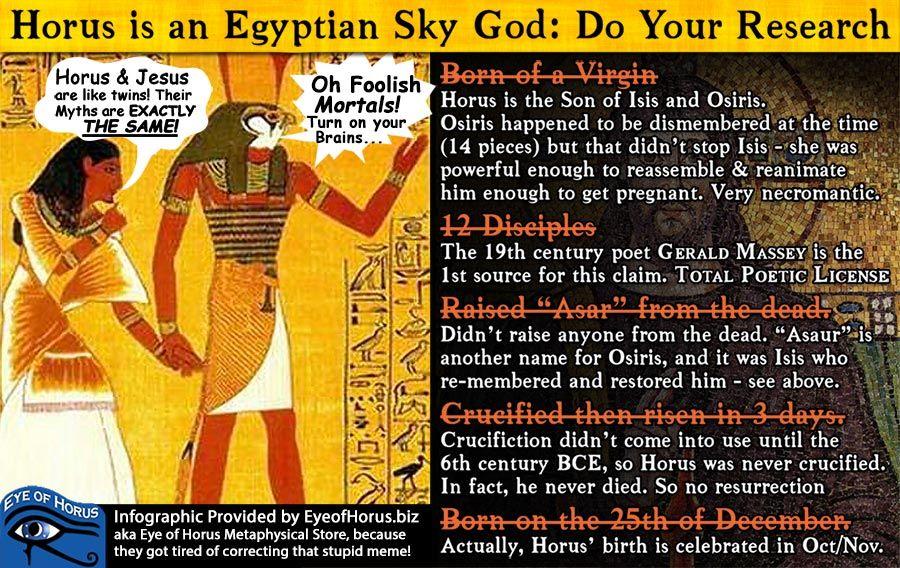
Horus, Jesus, and Egyptian Mythology: Separating Fact from Fiction
Posted by Luke J. Wilson on 22nd April 2023 in Mythology | Jesus,Horus,egyptian gods,mythology,Egyptian myths,apologetics
If you've ever found yourself immersed in the world of ancient Egyptian mythology or perhaps watching a documentary on the subject (or even just browsing social media around Christmas time), you might have come across the claim that the story of Jesus shares striking similarities with the story of Horus, an ancient Egyptian deity.
While it might seem convincing at first that there's a direct connection between the two, it's essential to understand that the similarities are often exaggerated in popular culture, and many scholars consider them vastly different. In this article, we'll explore the life of Horus, his birth, the miracles he performed, and the truth b...
Powered by WebBoss.io 3.7.1
Copyright © 2026 The Sacred Faith: Timeless Truths for Modern Minds. All Rights Reserved.
