
Blog Search Results


140 results for faith
found
within the Blog
6 displayed out of 140 (0.07seconds)Page 10 of 24

Jesus, Mithras and Ancient Roman Cults: Separating Fact from Fiction
Posted by Luke J. Wilson on 25th April 2023 in Mythology | Jesus,mithras,apologetics,roman gods,atheist
...ters were faithfully reporting the events as they occurred.
The fact that women (and other outcasts of society) were so included can be seen in critical ancient witnesses to Christianity, one well-known example coming from Celsus, a 2nd-century Greek philosopher and critic of the faith. He wrote that Christianity “attracted ignorant and foolish people, including women and children” (Contra Celsus, 3.44).
Typical atheist meme with incorrect “facts”
The Mithraic Mysteries
Now, this is where things start to get a bit intriguing. The cult of Mithras was what you might call a secret society, complete with its own set of initiation rituals and beliefs...
Understanding The New Testament: Inspiration, Canonisation, And Historical Context
Posted by Luke J. Wilson on 23rd December 2023 in Early Church | Inspiration,Scripture,early church,early church fathers,islam,Bible
...A common modern perception of the inspiration of Scripture often portrays it as a rigid, divine dictation of words from God to be written down verbatim. This perspective leads to concerns among some religious communities, such as Muslims, who view any alteration or addition to the text as a potential threat to the entire faith. The Islamic understanding of inspiration emphasises direct and unalterable divine dictation, contributing to their scepticism of multiple Bible translations, which they falsely label as “corruption”.
In contrast, the Biblical inspiration of the Scriptures has never been viewed as a literal divine dictation, as if the apostles were un...
Melchizedek to Jesus: The Divine Thread of Bread and Wine
Posted by Luke J. Wilson on 27th June 2024 in Eucharist | eucharist,Melchizedek,bread of life
...iches our faith and worship. Melchizedek’s seemingly isolated action prefigured the blessing in the Passover, which in turn was a foreshadowing of Christ’s sacrifice and the Last Supper which established the Eucharist.
As Christians, every time we partake in the Eucharist, we are joining in a divine mystery that spans millennia, connecting us with the faithful of the past, present, and future. We remember and proclaim the Lord’s death until He comes, and through this holy sacrament, we receive His life-giving grace. This powerful connection not only anchors our faith but also propels us into the world as bearers of His love and peace, established by His p...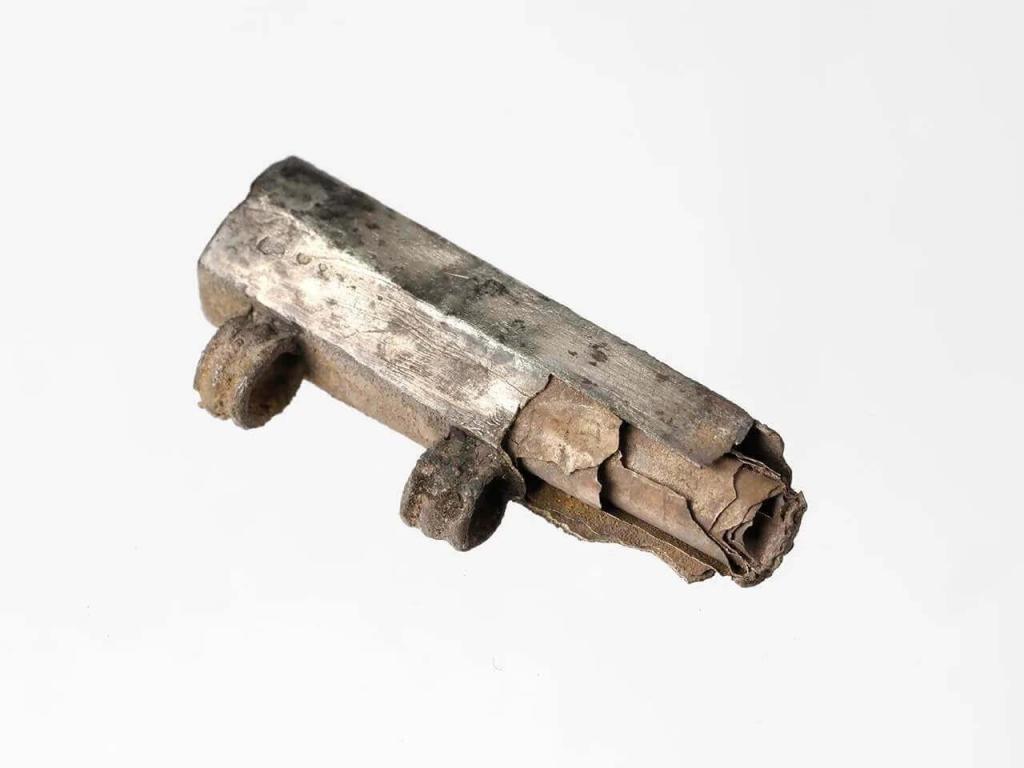
Ancient Amulet Rewrites History Of Christianity In Europe
Posted by Luke J. Wilson on 18th December 2024 in Archaeology | archaeology,amulet,discovery,current events,protection amulet
...New discovery proclaims Jesus as “Son of God” a century earlier than previously thought.
An exciting archaeological discovery has recently come to light: researchers have unearthed an 1800-year-old silver amulet in Frankfurt, Germany. This amulet provides the earliest known evidence of Christianity north of the Alps and disrupts previously held ideas about the spread of the faith, namely that Christianity didn’t get to the German region around the fourth century.
The amulet, dating from approximately 230 to 270 AD, was found in 2018 beneath the chin of a man’s skeleton during excavations at a Roman burial site near the former town of Nida, now part o...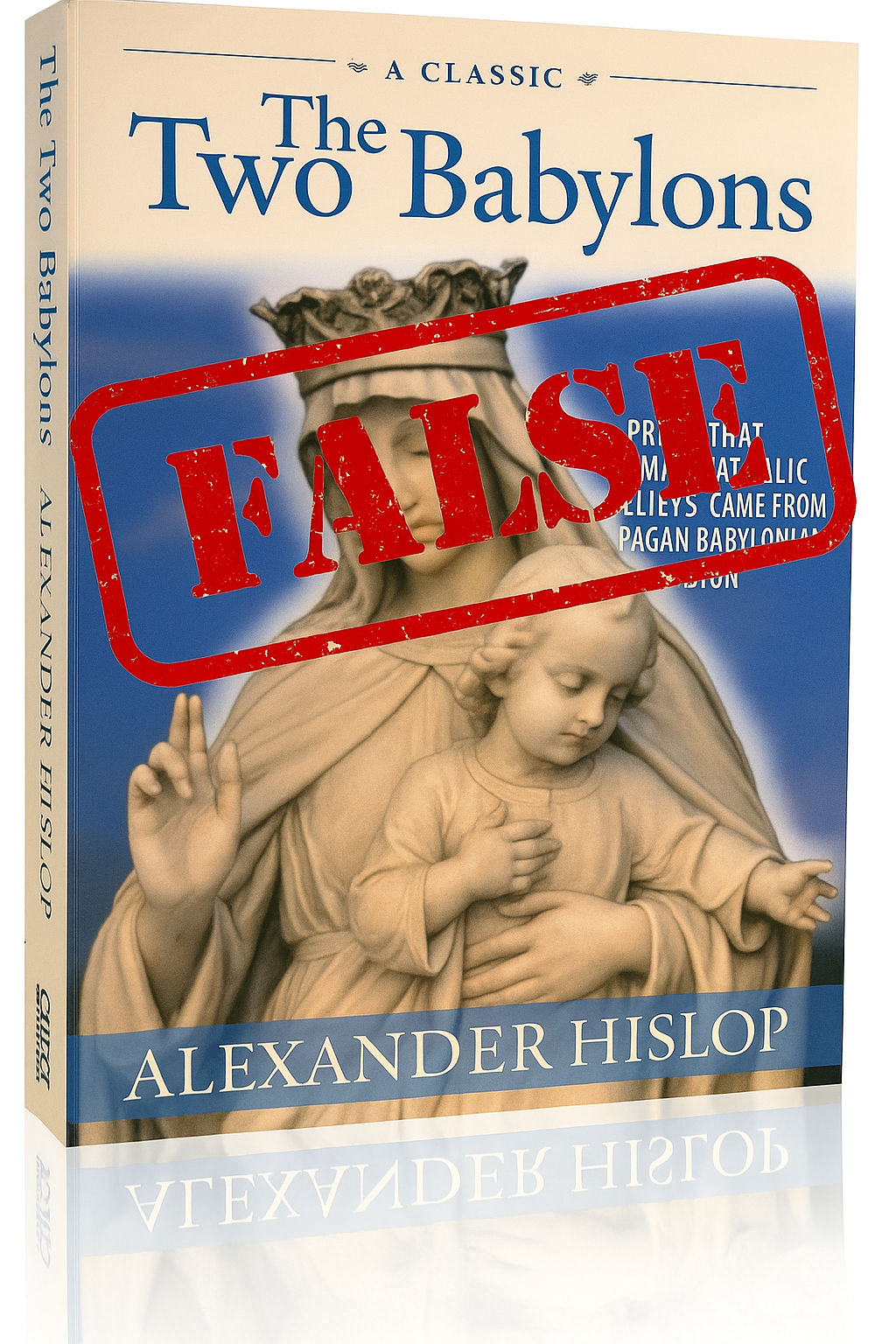
The Two Babylons Exposed: The Book That Misled Millions
Posted by Luke J. Wilson on 21st April 2025 in Easter |
...es by the faithful— isn’t built on conspiracy and apparent obscure connections, but on Christ and the truth of the Scriptures.
Interestingly, even Ralph Woodrow, a minister who once wrote a book defending Hislop’s ideas, later retracted his views after digging deeper into the evidence. He eventually wrote a book called The Babylon Connection? where he exposed the flaws in Hislop’s reasoning. If someone who was an ardent follower of Hislop’s ideas can do this, and then change his mind in the face of the evidence, it’s a wonder how others can remain so wilfully ignorant over the topic and refuse to accept any real historical facts, without exposing th...
Lent: Day 3 - Mathetes to Diognetus, pt. 2
Posted by Luke J. Wilson on 3rd March 2017 in Lent | Lent,great lent,fasting,early church fathers,devotional,daily reading,epistle of mathetes to diognetus
...Day three: Epistle of Mathetes to Diognetus: Chaps. 7-12
Who: Anonymous author, “mathetes” is not a name, but is the Greek word for “a disciple”
What: possibly one of the earliest examples of a Christian apologetic defending the faith from its accusers, written to someone interested in learning more about the faith and its customs
Why: The Christian faith was under attack and ridicule in the early centuries, many things about the Church were misunderstood and so various Christians took to writing apologetic's (defences) to clarify doctrines and beliefs from being maligned.
When: Estimated between AD 130 and late 2nd century
Today's reading is the...
Powered by WebBoss.io 3.7.1
Copyright © 2026 The Sacred Faith: Timeless Truths for Modern Minds. All Rights Reserved.
