
Blog Search Results


158 results for man made tradition
found
within the Blog
6 displayed out of 158 (0.80seconds)Page 10 of 27
An Examination of Conditional Immortality (Part One)
Posted by Luke J. Wilson on 25th May 2020 in Hell | Conditional Immortality,Annihilationism,church fathers,church history,Hell,theology
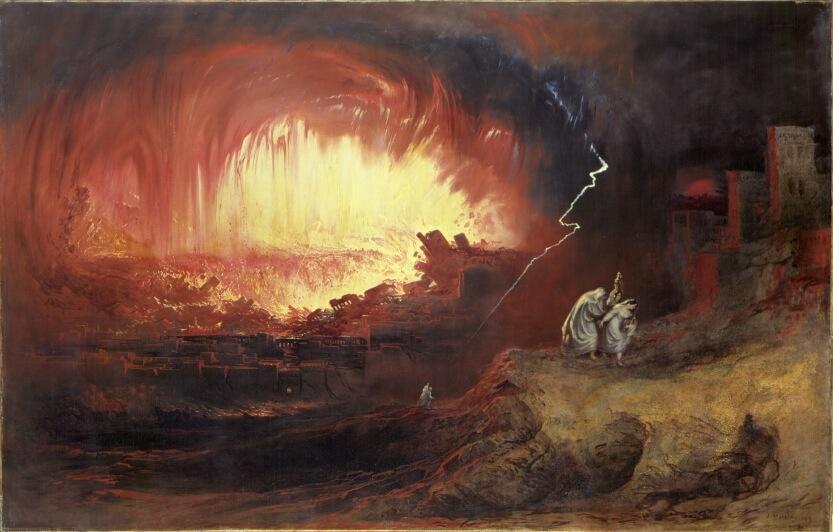
I know that "Conditional Immortality" is quite a divisive topic, and one you may have come across before (sometimes referred to as “Annihilationism”); and have been told outright that it’s “heresy” or false, or that it’s an emotional argument people want to believe because it ‘sounds nicer’ than the doctrine of Eternal Conscious Torment (ECT). Or maybe you’ve never even heard of this before and you didn’t realise there were alternative interpretations and views on hell. If you are new to this, in brief it means that “the wicked” will be removed from existence after judgement and finite torment, rather than living forever in torment.
Any...
The Author of Life Knew Death For Our Sake!
Posted by Luke J. Wilson on 25th March 2016 in Easter | Easter,Good Friday,Holy Week,crucifixion,resurrection,reconcilliation
A week or so ago, I stayed the night at a local monastery with a friend. We got to see, and be partially involved in the day to day life of the Monks there, especially during mealtimes. We sat and ate in silence together while someone read to us, which was actually more enjoyable than I expected it to be. I can't remember what the book was called now, but it was to do with the Passion and what the crucifixion meant, and the point they were reading about was when the Roman soldier stabbed Jesus in the side.
This is where it got interesting and gave me something to think about that I'd never heard taught before. Normally most preachers and sermons talk about the...
Lent Day 25: Athanasius: Life of Anthony: Chaps. 41-50
Posted by Luke J. Wilson on 29th March 2017 in Lent | Lent,great lent,fasting,early church fathers,devotional,daily reading,Athanasius,Bishop of Alexandria,Confessor,Doctor of the Church,Anthony the Great,demons,demonology,satan,devil
Day Twenty-five: St. Athanasius: Life of Anthony: Chaps. 41-50
Who: Bishop of Alexandria; Confessor and Doctor of the Church; born c. 296; died 2 May, 373 AD. He was the main defender of orthodoxy in the 4th-century battle against the Arianism heresy. Certain writers received the title “Doctor” on account of the great advantage their doctrine had on the whole Church, Athanasius especially for his doctrine on the incarnation.
What: The biography of Anthony the Great’s life, which helped to spread the concept of Christian monasticism, particularly in Western Europe.
Why: From the letter’s own prologue: “The life and conversation of our holy Father,...
Palm Sunday and the End Times
Posted by Luke J. Wilson on 2nd April 2023 in Eschatology | eschatology,end times,palm sunday
It’s not often we read the text of the triumphant entry into Jerusalem as an eschatological text thinking about the return of Christ. Especially as at this point the in the Gospel narratives, Jesus is on earth in his first coming, and still a week away from his crucifixion!
While the texts usually read across the world on Palm Sunday may be familiar to us (Luke 19:28–40), we might miss the connection with the preceding parables if we don’t read the whole of Luke 19 together.
I won’t quote everything here, as you can read the whole text for yourself, but the pertinent verses come from the Parable of the Ten Minas in verses 11–27:
Luke 19:11, 27As the...
7 Ways Jesus Reverses the Curse From Eden
Posted by Luke J. Wilson on 8th April 2023 in Easter | Easter,crucifixion,gospel,kingdom of god,curse,genesis,creation
Everything about the Kingdom of God is a reversal of worldly powers (servant leadership, first shall be last, etc.). God’s ways are opposed to the World’s ways.
Likewise, everything about the Gospel is a reversal of what went wrong in the beginning of creation and nowhere is this highlighted more than during the Passion, crucifixion and resurrection of Jesus. So here are seven ways in which Jesus reverses all the mistakes and curses from creation.
1. The disobedience in the Garden of Eden is now rectified by the obedience of Jesus in the Garden of Gethsemane.
Genesis 3:11Have you eaten from the tree of which I commanded you not to eat?
Luke 22:42...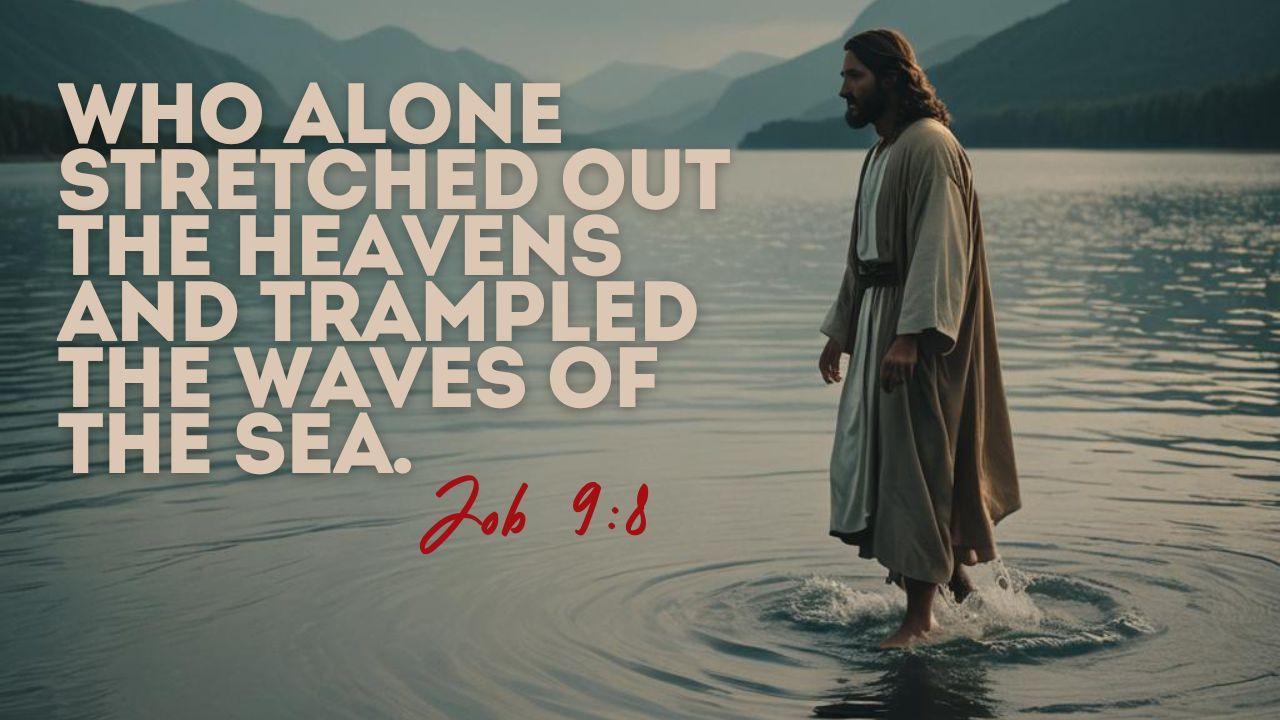
Jesus, Yahweh, And The Power Over The Storm
Posted by Luke J. Wilson on 29th July 2024 in Deity of Christ | Jesus,deity of christ,Yahweh,old testament,elements
Critics of Christianity will often make the claim that Jesus never said he was God or divine in the Gospels. The problem comes when they set unrealistic demands and expectations, like wanting a chapter and verse where Jesus says, “I am God, worship me”. But this isn’t how the Bible works and definitely not how Jesus went about his ministry.
Throughout the Gospels, there are clear connections that reveal the true nature of Jesus in ways that would have been obvious to the Jewish people and leaders of his day who were very familiar with the Torah and other Scriptures we now call the Old Testament. One of the most striking examples is His demonstration of po...
Powered by WebBoss.io 3.7.1
Copyright © 2026 The Sacred Faith: Timeless Truths for Modern Minds. All Rights Reserved.
