
Blog Search Results


210 results for church history
found
within the Blog
6 displayed out of 210 (0.49seconds)Page 11 of 35
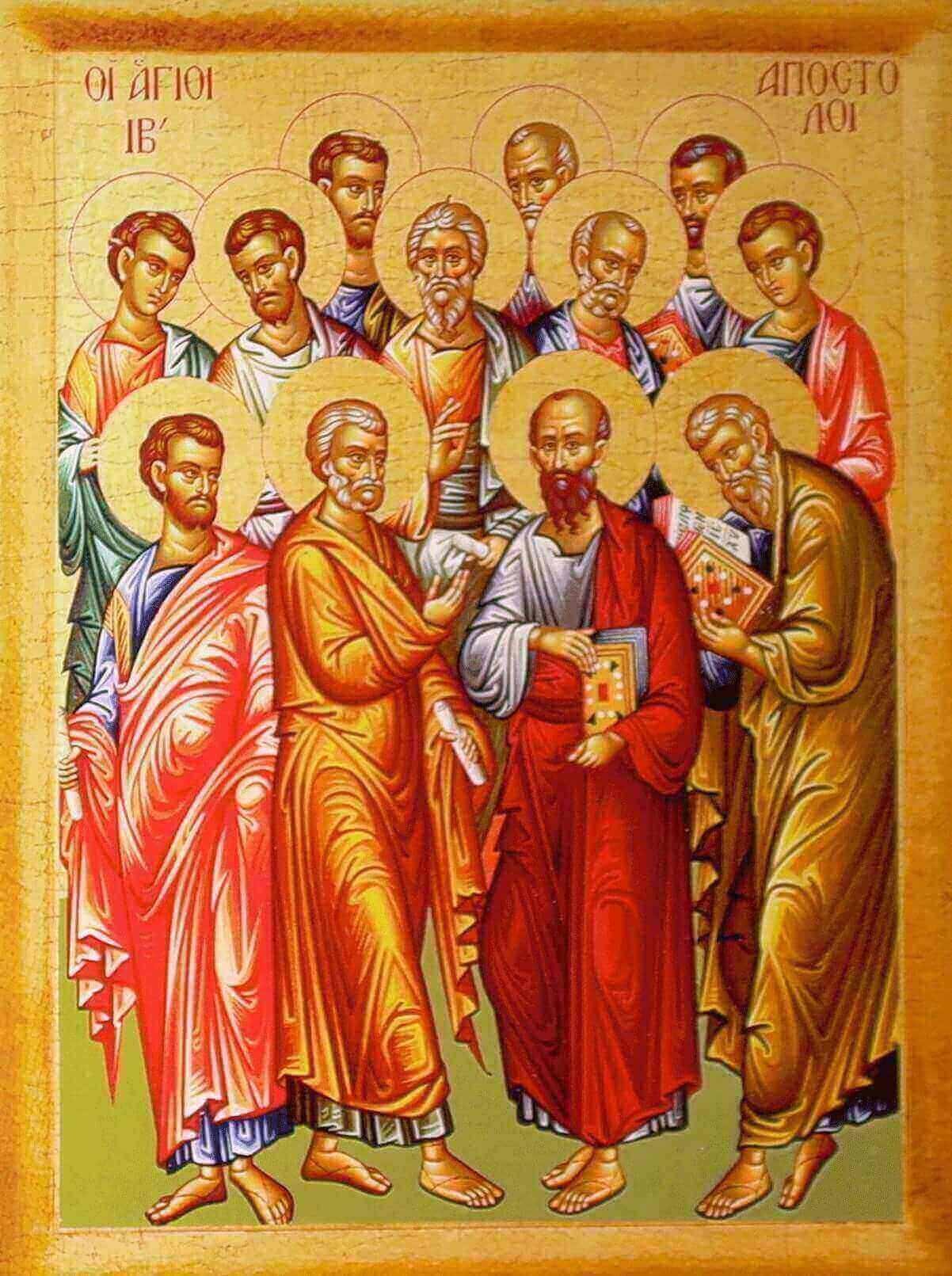
How many apostles are there in the New Testament?
Posted by Luke J. Wilson on 22nd May 2018 in Gifts of the Spirit | apostles,five fold ministry,gifts of the Spirit,Greek
Often in any discussion on the gifts of the Spirit and whether they are still active today (Cessationism vs Continuationism), the topic of Apostles comes up and whether the gift/office is still active today in the church. Detractors of the Continuationist position will often quip that ‘if there were modern-day apostles, they would be world famous!’ – though I’m not sure why. Even the original Twelve weren’t “world famous” in the sense that they mean. But I digress. This isn't a question of practice, or opinion, but to examine the Scriptures to see what they say about the gift.
Scripture gives us an indication that this gift, or role, wasn’t jus...
Will UK Councils Criminalise Christianity? The Alarming Precedent Set by a Labour Council
Posted by Luke J. Wilson on 22nd November 2025 in Persecution | news,current events,persecution,United Kingdom
Every now and then something happens in this country that feels small on the surface but carries a deeper spiritual weight beneath it. In this case it comes from a Labour council just outside of London when in March of this year, Rushmoor Borough Council attempted to criminalise Christian street preaching. The injunction has thankfully been paused (for now) as Christians rallied, prayed, and pushed back. But the implications of what nearly happened, and could still happen, should give all of us pause.
Because once one council tries something like this, others start paying attention. A precedent has been set — not necessarily in law, but in what could be....
Lent Day 40: Leo the Great: Sermon LXXII: ON THE LORD'S RESURRECTION, II
Posted by Luke J. Wilson on 15th April 2017 in Lent | Lent,great lent,fasting,early church fathers,devotional,daily reading,Doctor of the church,lectures,Leo the Great,St Leo,Pope Leo I,sermon,resurrection,easter,easter sunday
Day Forty: St. Leo the Great: Sermon LXXII: ON THE LORD'S RESURRECTION, II
Who: Leo the Great, also known as Pope St. Leo I (the Great), was Pope from 440-61 AD. Place and date of birth unknown; died 10 November, 461. Leo's pontificate, next to that of St. Gregory I, is the most significant and important in Christian antiquity, as he tried to combat the heresies which seriously threatened church unity even in the West, such as Pelagianism.
What: A sermon on the Gospel, incarnation and resurrection of our Lord.
Why: To encourage the church in the power of the incarnation and the true faith and the nature of Christ and to give a new meaning to Passover in lig...
Lent: Intro - 40 Day Reading Plan with the Fathers
Posted by Luke J. Wilson on 1st March 2017 in Lent | Lent,great lent,fasting,early church fathers,devotional,daily reading
This year for Lent I'm following a reading plan which comprises of a collection of extracts from various early church fathers writings. Each day I'm going to write a short overview and any thoughts on the text and link back to the source material so you can also follow along with me too, if you'd like. The overview of each day will probably be posted on the day after. The reading should only take 10-15 minutes of your time, and by day 40, you will have read ten different Fathers:
Didache, Diognetus, Polycarp, Ignatius, Justin Martyr, Cyprian, Athanasius, Cyril of Jerusalem, Ambrose of Milan, and Leo the Great.
I'll be reading from the “church Fathers Lenten...
Lent: Day 8 - Ignatius to the Romans
Posted by Luke J. Wilson on 9th March 2017 in Lent | Lent,great lent,fasting,early church fathers,devotional,daily reading,Ignatius,Ignatius of Antioch: Letter to the Romans,martyrdom
Day Eight: St. Ignatius of Antioch: Letter to the Romans (full text)
Who: Ignatius converted at a young age and later became Bishop of Antioch. A friend of Polycarp and fellow disciple of John, there is a long standing tradition that Ignatius was the child that Jesus held in his arms and blessed in Mark 10:13-16
What: A challenging letter in which Ignatius pours himself out to the Roman church about his impending martyrdom.
Why: Ignatius wrote a series of letters to the churches in Asia Minor whilst en route to Rome to face martyrdom by wild beasts in the Colosseum around 108 AD.
When: Around 107-108 AD
On reading the introduction to this letter my first th...
Lent Day 30: Cyril of Jerusalem: Catechetical Lectures: Lecture XIX
Posted by Luke J. Wilson on 4th April 2017 in Lent | Lent,great lent,fasting,early church fathers,devotional,daily reading,Doctor of the church,lectures,liturgy,catechism,Bishop of Jerusalem
Day Thirty: St. Cyril of Jerusalem: Catechetical Lectures: Lecture XIX
Who: Bishop of Jerusalem and Doctor of the church, born about 315; died probably 18 March, 386. Little is known of his life, except from his younger contemporaries, Epiphanius, Jerome, and Rufinus, as well as from the fifth-century historians, Socrates, Sozomen and Theodoret.
What: Each of the lectures deal with a different topic to teach converts the mysteries of the church, particularly: rites of the renunciation of Satan and his works, of anointing with oil, of baptism, of anointing with the holy chrism, and of partaking of the body and blood of Christ.
Why: Cyril delivered to new conve...
Powered by WebBoss.io 3.7.1
Copyright © 2026 The Sacred Faith: Timeless Truths for Modern Minds. All Rights Reserved.
