
Blog Search Results


187 results for jesus death
found
within the Blog
6 displayed out of 187 (0.36seconds)Page 12 of 32

Lent Day 40: Leo the Great: Sermon LXXII: ON THE LORD'S RESURRECTION, II
Posted by Luke J. Wilson on 15th April 2017 in Lent | Lent,great lent,fasting,early church fathers,devotional,daily reading,Doctor of the Church,lectures,Leo the Great,St Leo,Pope Leo I,sermon,resurrection,easter,easter sunday
Day Forty: St. Leo the Great: Sermon LXXII: ON THE LORD'S RESURRECTION, II
Who: Leo the Great, also known as Pope St. Leo I (the Great), was Pope from 440-61 AD. Place and date of birth unknown; died 10 November, 461. Leo's pontificate, next to that of St. Gregory I, is the most significant and important in Christian antiquity, as he tried to combat the heresies which seriously threatened church unity even in the West, such as Pelagianism.
What: A sermon on the Gospel, incarnation and resurrection of our Lord.
Why: To encourage the Church in the power of the incarnation and the true faith and the nature of Christ and to give a new meaning to Passover in lig...
The Eighth Day
Posted by Luke J. Wilson on 26th October 2016 in Eschatology | eighth day,early church,new creation,baptism,resurrection,eschatology,sabbath,Lord's Day,Festival of Booths
What is the “eighth day” you may ask; surely we know there are only seven days in a week!
But in ancient times, Sunday – which was also known as the first day of the week, was also referred to as the eighth day by Christians.
This day was considered a holy day from the earliest of times by Christians (despite some weak arguments that Constantine, or the Pope, “changed the Sabbath” some 400 years later), and this was because it was the day on which Christ rose from the dead!
I will make a beginning of the eighth day, that is, a beginning of another world. For that reason, also, we keep the eighth day with joyfulness, the day on which jesus rose aga...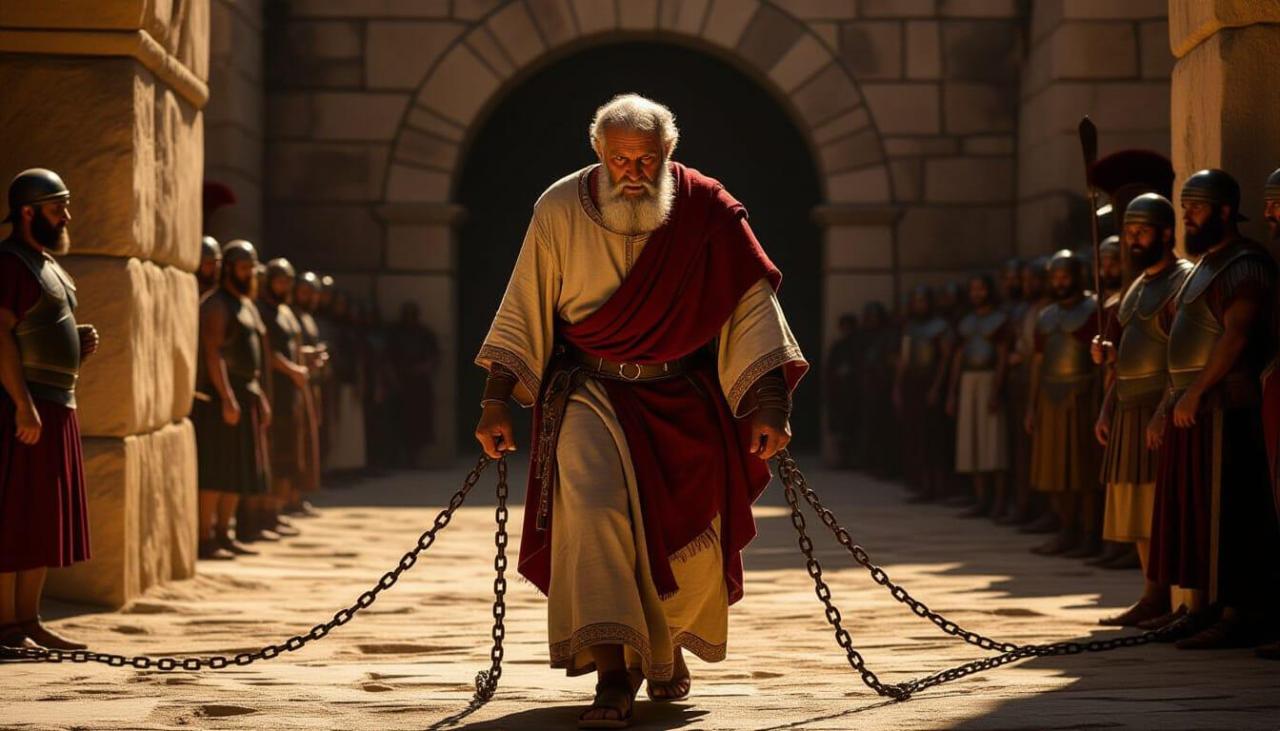
Before The Pumpkins: The Road To The Lions
Posted by Luke J. Wilson on 20th October 2025 in Halloween | ignatius,Ignatius of antioch,martyrdom,martyr,religion,halloween
The sound of chains echoed through the streets as Ignatius of Antioch was led from Syria to Rome. The old bishop’s body was frail, but his heart burned with the strength of Christ. Each clinking step brought him closer to the arena — and to the wild beasts that would tear him apart — yet his letters brimmed with joy and passion, and a sense of urgency inspiring others to unity, obedience, and unwavering faith. For Ignatius, death was not defeat; it was the completion of discipleship, crossing the finish line of faith… the moment when imitation of Christ became complete.
Ignatius of Antioch is one of my favourite Early Church Fathers mainly for h...
The Mystery Of Epiphany And The Star Of Bethlehem
Posted by Luke J. Wilson on 6th January 2025 in Christmas | christmas,astronomy,astrology,epiphany
As the Church celebrates Epiphany, we reflect on the Magi's visit to the Christ child, guided by a star—a sign of God’s revelation to the nations. This story, steeped in wonder and mystery, has sparked fascination for centuries. What was this “Star of Bethlehem” that led the wise men to jesus? Was it a miraculous light, or could it have been a natural astronomical event designed by the Creator to herald the birth of the King of Kings?
The chart is from the SkySafari app
The Great Conjunction
In December 2020, the world witnessed a rare astronomical event called a “great conjunction.” Jupiter and Saturn appeared so close in the night sky that t...
Does Easter Have Pagan Origins?
Posted by Luke J. Wilson on 22nd March 2021 in Easter | Easter,easter sunday,early church,church history,paganism,pagan roots,Ishtar,Eostre,fertility goddess
Much like any major Christian holiday, there are the usual arguments and accusations about how it’s all just pagan festivities with a “Christian mask”. Easter is no different, and usually gets hit the hardest over its so-called “pagan roots”, or in the month or so preceding it, Lent being some “invention of the Catholic Church”.
Table of Contents
The Lenten Fast
The Easter controversy and why we celebrate it when we do
Is the Name “Easter” really the Anglo-Saxon goddess Eostre?
Chocolate eggs and bunnies?
Concluding Thoughts
Further Reading and Sources
I like to try and observe Lent, as it is one of the most ancient custom...
Lent Day 37: Leo the Great: Letter XXVIII (called the "Tome")
Posted by Luke J. Wilson on 12th April 2017 in Lent | Lent,great lent,fasting,early church fathers,devotional,daily reading,Doctor of the Church,lectures,Tome,Leo the Great,St Leo,hypostatic union,deity of christ,heresy,Pope Leo I
Day Thirty-seven: St. Leo the Great: Letter XXVIII (called the "Tome")
Who: Leo the Great, also known as Pope St. Leo I (the Great), was Pope from 440-61 AD. Place and date of birth unknown; died 10 November, 461. Leo's pontificate, next to that of St. Gregory I, is the most significant and important in Christian antiquity, as he tried to combat the heresies which seriously threatened church unity even in the West, such as Pelagianism.
What: A defence of the twofold nativity and nature of Christ against the false teaching of a priest called Eutyches. It is a doctrinal letter sent by Pope Leo I in the year 449 to Flavian, Patriarch of Constantinople, on the...
Powered by WebBoss.io 3.7.1
Copyright © 2026 The Sacred Faith: Timeless Truths for Modern Minds. All Rights Reserved.
