
Blog Search Results


78 results for human suffering
found
within the Blog
6 displayed out of 78 (0.56seconds)Page 13 of 13

Lent: Day 5 - Ignatius to the Ephesians
Posted by Luke J. Wilson on 6th March 2017 in Lent | Lent,great lent,fasting,early church fathers,devotional,daily reading,Ignatius of Antioch: Letter to the Ephesians,Ignatius
Day Five: St. Ignatius of Antioch: Letter to the Ephesians (full text)
Who: Ignatius converted at a young age and later became Bishop of Antioch. A friend of Polycarp and fellow disciple of John, there is a long standing tradition that Ignatius was the child that Jesus held in his arms and blessed in Mark 10:13-16
What: The letter has a strong call to and for unity within the church, along with respect for their bishop.
Why: Ignatius wrote a series of letters to the churches in Asia Minor whilst en route to Rome to face martyrdom by wild beasts in the Colosseum around 108 AD.
When: Around 107-108 AD
There is a strong theme to this letter from the outset, an...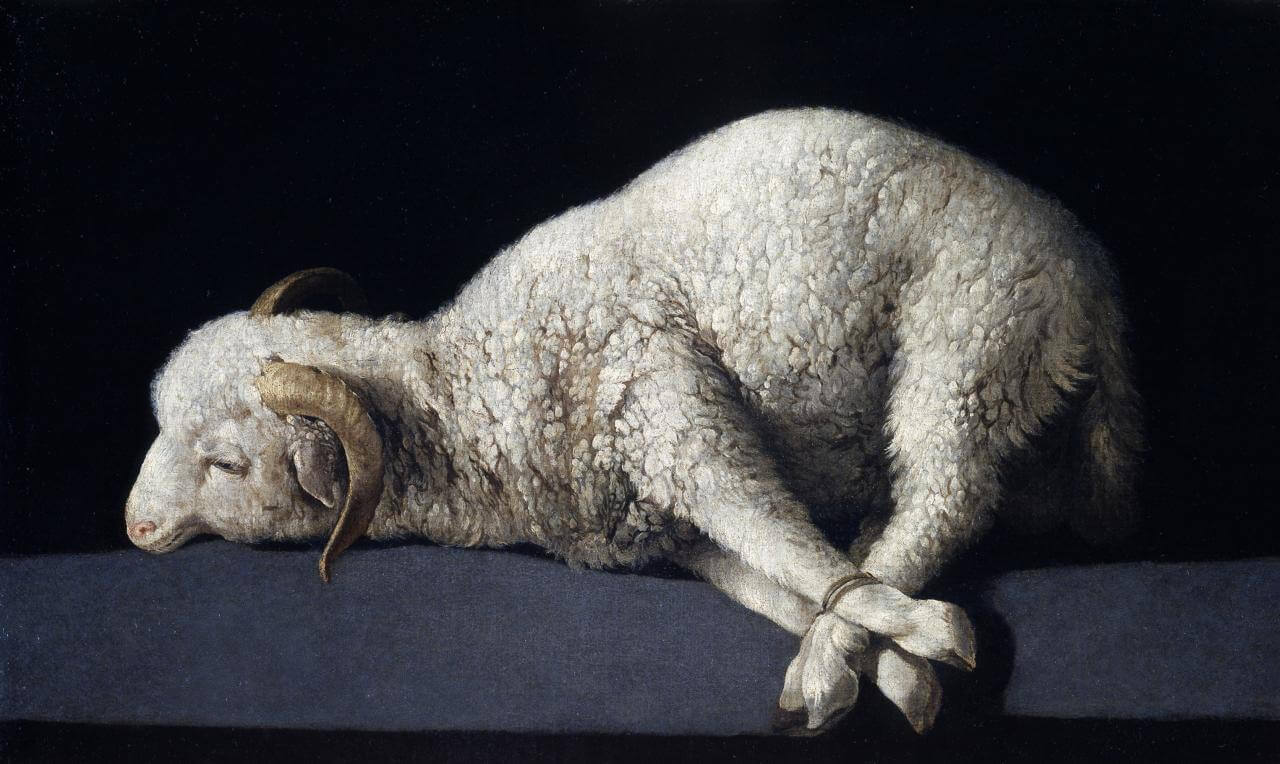
How was Jesus a sacrifice?
Posted by Luke J. Wilson on 25th March 2018 in Lent | sacrifice,sabbath,crucifixion,passover lamb,paschal lamb,sin,death,Palm Sunday
So often we hear this phrase said about Jesus, that he was “the lamb of God” and that he “takes away the sins of the world” — but what do those things mean and how did he take away sin?
John 1:29The next day [John] saw Jesus coming toward him and declared, “Here is the Lamb of God who takes away the sin of the world! (cf. Jn 1:36)
The New Testament writers repeatedly refer to Jesus as a lamb; but not only that — as a ransom too. Jesus even introduces himself that way at one point:
Mark 10:45
For the Son of Man came not to be served but to serve, and to give his life a ransom for many. (cf. Matthew 20:28)
To better understand the termi...
From Paradise to Presents: The Christian Story Behind the Christmas Tree
Posted by Luke J. Wilson on 23rd December 2024 in Christmas | history,St Boniface,christmas,christmas tree
The Christmas tree is one of the most recognisable symbols of the festive season, adorning homes, churches, and public spaces with its evergreen beauty. But where did this tradition originate, and how did it become a central feature of Christmas celebrations? Looking into the history of the Christmas tree has turned out to be a fascinating historical story woven from various cultural and theological strands.
The Paradise Tree and the Feast of Adam and Eve
The connection between the Christmas tree and the Feast of Adam and Eve offers a large clue into its origins. In medieval Europe, December 24th was observed as the feast day of Adam and Eve, a commemoration t...
The Neuroscience Of Resisting Temptation
Posted by Luke J. Wilson on 23rd January 2025 in Science | Science,temptation,neuroscience,self control
Have you ever wondered why God asks us to resist temptation and practise self-control? At first glance, it might seem like God is just trying to limit our enjoyment of life, especially when the world tells us to “follow your heart” and “give in to what feels good.” But what if I told you that resisting temptation is not about taking away your joy, but about protecting and blessing your life — spiritually, emotionally, and even mentally?
I was recently watching a TV series with my wife (called Perception, if you’re interested) about a neuroscience professor who consults for the FBI. The series often gives some interesting facts about the brain...
From Dust to Redemption: The Meaning of Ash Wednesday
Posted by Luke J. Wilson on 5th March 2025 in Lent |
Ash Wednesday marks the beginning of Lent, a season of repentance, fasting, and preparation for Easter in the Christian calendar. It is observed by many Western Christian traditions, including the Roman Catholic Church, Anglican Communion, Lutheran churches, and some Methodist and Reformed communities. The day falls 46 days before Easter Sunday and is always on a Wednesday.
Origins and Historical Development
The practice of Ash Wednesday can be traced back to the early centuries of Christianity, though its formal observance developed over time. The use of ashes as a sign of repentance has deep biblical roots, appearing frequently in the Old Testament. People w...
What is Truth?
Posted by Luke J. Wilson on 29th July 2026 in Faith & Reason | truth,incarnation,pilate,philosophy,theology
��Pilate asked him, ‘What is truth?’ (John 18:38)
What is “truth”? A question famously asked by Pilate to Jesus during his trial. Ironically, Pilate was speaking to the embodiment of Truth itself.
John 14:6Jesus said to him, ‘I am the way, and the truth, and the life.’
Here’s a little ‘riddle’ to think about while you read this; see if you agree or not: “all truth is fact, but not all facts are truth”. I’ll explain it at the end if you’re confused.
Jesus is the ultimate Truth, but in a world and society that is becoming increasingly more relative, how do we test the truth and know what’s real or not? Especially with the su...
Powered by WebBoss.io 3.7.1
Copyright © 2026 The Sacred Faith: Timeless Truths for Modern Minds. All Rights Reserved.
