
Blog Search Results


Did you mean:
monarchy of the father
?
92 results for monarchy of the Father
found
within the Blog
6 displayed out of 92 (3.17seconds)Page 13 of 16
New Covenant Israel is no longer physical (nor literal)!
Posted by Luke J. Wilson on 11th October 2015 in Israel | Israel,new creation,born again,new covenant
If you've read my previous two articles on Israel, then this will probably seem familiar. This is a combination of the previous two combined into one study, focussing more on who Israel is under the New Covenant rather than the geopolitical/war situation of the Middle East.
So Who is Israel?
No doubt what I'm about to say will cause some knee-jerk reactions, but to properly understand the New Covenant, we need to address the issue of who is Israel, Biblically speaking? Yes, there is a modern nation known as "Israel" now since 1948, but is that the same Israel of the Bible? the same Israel to whom God made his promises? If so, does that mean...
the Coming of Jesus: Our Future Hope - What Now?
Posted by Luke J. Wilson on 22nd January 2016 in Second Coming Series | second coming,70 weeks,70ad,what now?,what next,preterism,fulfilled prophecy,eighth day
So here we are at the final part of this Coming of Jesus series. If you’re new here, you can start from the beginning by clicking here, or carry on reading as I will give a brief overview of what’s been covered so far.
This series has covered many topics and themes of eschatology, starting with Daniel’s prophecy of the Messiah’s first coming to this world, all the way through to the prophecies of another coming. It’s been a very interesting and eye-opening journey of discovery, at least for myself, if no one else. I didn’t start this study with a particular doctrine or conclusion in mind, but rather went in with the minds...
the Eighth Day
Posted by Luke J. Wilson on 26th October 2016 in Eschatology | eighth day,early church,new creation,baptism,resurrection,eschatology,sabbath,Lord's Day,Festival of Booths
What is the “eighth day” you may ask; surely we know there are only seven days in a week!
But in ancient times, Sunday – which was also known as the first day of the week, was also referred to as the eighth day by Christians.
This day was considered a holy day from the earliest of times by Christians (despite some weak arguments that Constantine, or the Pope, “changed the Sabbath” some 400 years later), and this was because it was the day on which Christ rose from the dead!
I will make a beginning of the eighth day, that is, a beginning of another world. For that reason, also, we keep the eighth day with joyfulness, the day on which Jesus rose aga...
the Coming Kingdom of the Son of Man
Posted by Luke J. Wilson on 20th July 2016 in Eschatology | second coming,preterism,Kingdom of God,Coming kingdom,olivet discourse,Gospels,end times,end of the world,end of the age
the importance of context of what's being said, and to whom, in Scripture.
I came across this image the other day (in the header above; see larger here) that links together three parts of Matthew’s Gospel to highlight the connection which many often miss, or read as separate events. I like the image because it shows that when Jesus spoke these things, he would have been saying them directly to the disciples and others who were listening to his teaching, and not in some cryptic, ambiguous dictation to a prophetic scribe, devoid of all context and meaning to those around him at the time.
Update Feb 2017: I am adding some additional information to this to dis...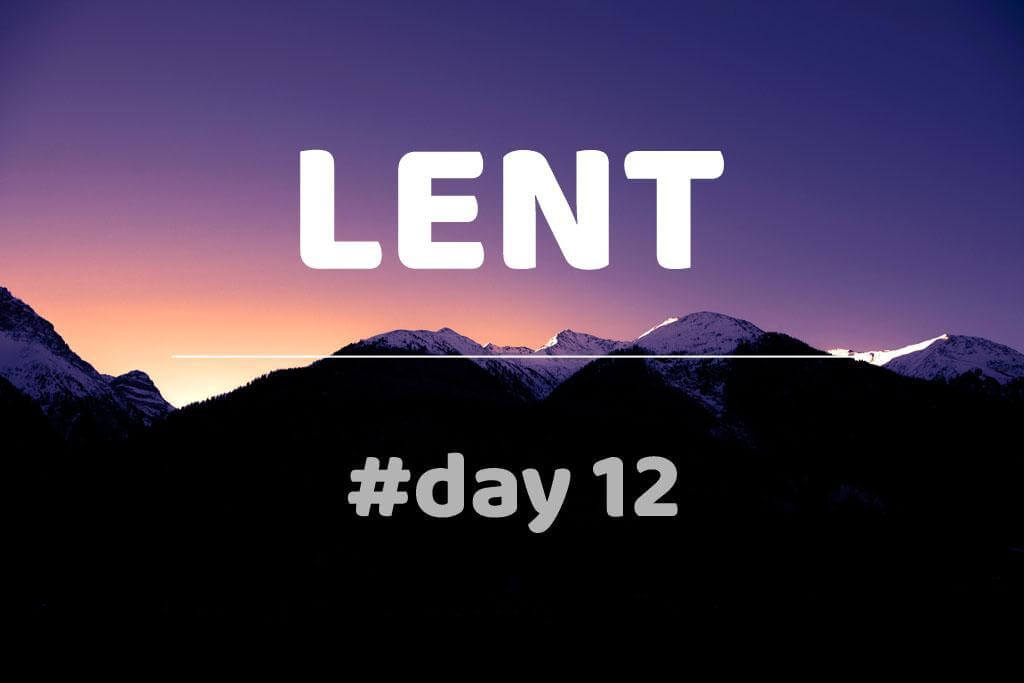
Lent: Day 12 - Justin Martyr: First Apology, Chaps. 1-11
Posted by Luke J. Wilson on 14th March 2017 in Lent | Lent,great lent,fasting,early church fathers,devotional,daily reading,Justin Martyr,apologetics
Day Twelve: St. Justin Martyr: First Apology, Chaps. 1-11
Who: Justin Martyr was a Philosopher who converted to Christianity and became a tireless evangelist and apologist. Justin wrote more Christianity than any other person prior to his time. He is classified herein as Eastern, since he a native of Samaria and his thought patterns were Eastern. However, he spent the last years of his life in Rome, where he was executed as a martyr (c. 165).
What: An apologetic (defence) essay to explain what Christians believe and do.
Why: Justin is demanding the Emperor to investigate accusations and unjust persecution against Christians so that they at least may face a f...
the Resurrection as a historical event
Posted by Luke J. Wilson on 29th April 2017 in Easter | resurrection,easter,apologetics,history,historical
Table of Contents
Jesus was raised bodily – and historically
the resurrection is what makes Christianity unique!
Evidence from Paul
the mystery of the resurrection
the nature of the resurrection
the resurrection is more than physical
What with Easter still ringing in our ears, I thought it would be a good time to revisit the topic of resurrection, but from a historical standpoint and why we can trust it as a real, world-changing event. So, what really is the resurrection? How will we be resurrected, and what does it mean for us that Jesus rose again? Let’s explore what this means for us as Christians, and see what the Scriptures say.
Jesus wa...
Powered by WebBoss.io 3.7.1
Copyright © 2026 The Sacred Faith: Timeless Truths for Modern Minds. All Rights Reserved.
