
Blog Search Results


131 results for holy spirit
found
within the Blog
6 displayed out of 131 (0.34seconds)Page 14 of 22
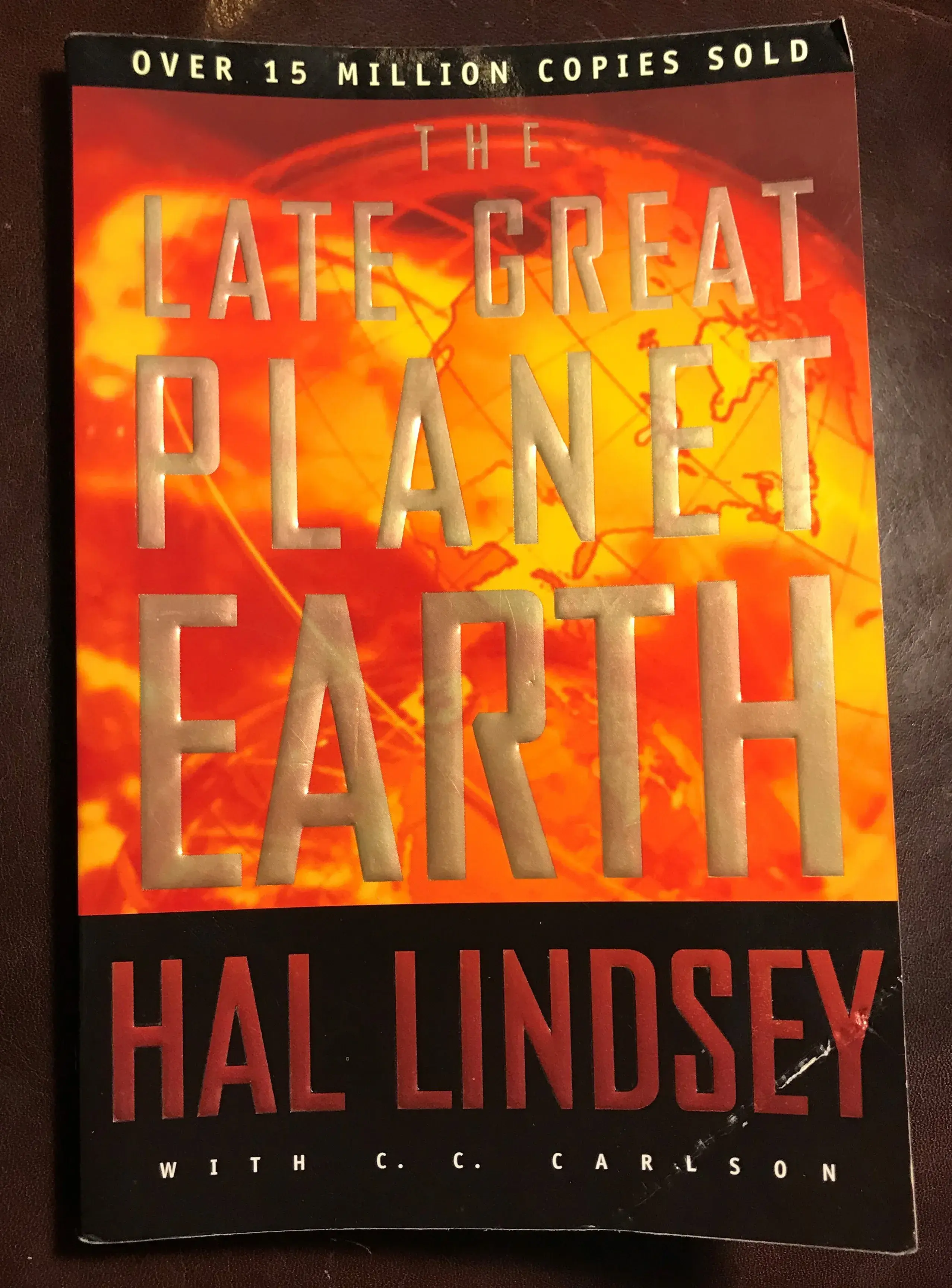
Where Hal Lindsey and Dispensationalism Went Wrong
Posted by Charles Meek on 2nd December 2024 in Eschatology | Dispensationalism,end times,Hal Lindsey,John Nelson Darby,false prophets
This is a guest post from Charles Meek
Hal Lindsey’s bookThe Late Great Planet Earth
Hal Lindsey’s book The Late Great Planet Earth, first edition in 1970, sold over 40 million copies. Gullible Christians got sucked into Lindsey’s soon-end-of-the-world cult-like poppycock. As time has passed without his version of Armageddon taking place, we can now objectively analyze where Lindsey went wrong:
Lindsey (p. 54, 181), like other dispensationalists, placed the beginning of the end with Israel becoming a nation in 1948. He thought all prophecy would be fulfilled within a 40-year generation (Matthew 24:34). But 1988 came and went, proving him to b...
From Paradise to Presents: The Christian Story Behind the Christmas Tree
Posted by Luke J. Wilson on 23rd December 2024 in Christmas | history,St Boniface,christmas,christmas tree
The Christmas tree is one of the most recognisable symbols of the festive season, adorning homes, churches, and public spaces with its evergreen beauty. But where did this tradition originate, and how did it become a central feature of Christmas celebrations? Looking into the history of the Christmas tree has turned out to be a fascinating historical story woven from various cultural and theological strands.
The Paradise Tree and the Feast of Adam and Eve
The connection between the Christmas tree and the Feast of Adam and Eve offers a large clue into its origins. In medieval Europe, December 24th was observed as the feast day of Adam and Eve, a commemoration t...
Lent Day 19: Cyprian: On the Unity of the Church: 10-18
Posted by Luke J. Wilson on 22nd March 2017 in Lent | Lent,great lent,fasting,early church fathers,devotional,daily reading,Cyprian,Bishop of Carthage,unity
Day Nineteen: St. Cyprian: On the Unity of the Church: 10-18
Who: Third century bishop of Carthage (in modern Tunisia), and martyr from Africa
What: A letter to encourage the unity of the church against schisms and heresy during massive Roman persecution
Why: A disturbance had happened in the church because of a priest called Novatian — a schismatic of the third century, and founder of the sect of the Novatians. Cyprian wrote to counter this and argues that there can only be one united Church, and the Novatian breakaway was a false church and that Novatian was an antipope.When: Around 249 AD
You can find today’s reading on page 97 here: lentfatherscomple...
Lent Day 22: Athanasius: Life of Anthony: Chaps. 11-20
Posted by Luke J. Wilson on 25th March 2017 in Lent | Lent,great lent,fasting,early church fathers,devotional,daily reading,Athanasius,Bishop of Alexandria,Confessor,Doctor of the Church,Anthony the Great
Day Twenty-two: St. Athanasius: Life of Anthony: Chaps. 11-20
Who: Bishop of Alexandria; Confessor and Doctor of the Church; born c. 296; died 2 May, 373 AD. He was the main defender of orthodoxy in the 4th-century battle against the Arianism heresy. Certain writers received the title “Doctor” on account of the great advantage their doctrine had on the whole Church, Athanasius especially for his doctrine on the incarnation.
What: The biography of Anthony the Great’s life, which helped to spread the concept of Christian monasticism, particularly in Western Europe.
Why: From the letter’s own prologue: “The life and conversation of our holy Father,...
Lent Day 27: Athanasius: Life of Anthony: Chaps. 61-70
Posted by Luke J. Wilson on 31st March 2017 in Lent | Lent,great lent,fasting,early church fathers,devotional,daily reading,Athanasius,Bishop of Alexandria,Confessor,Doctor of the Church,Anthony the Great,demons,healing,miracles,heresy,heretics,Arianism,deity of Christ
Day Twenty-seven: St. Athanasius: Life of Anthony: Chaps. 61-70
Who: Bishop of Alexandria; Confessor and Doctor of the Church; born c. 296; died 2 May, 373 AD. He was the main defender of orthodoxy in the 4th-century battle against the Arianism heresy. Certain writers received the title “Doctor” on account of the great advantage their doctrine had on the whole Church, Athanasius especially for his doctrine on the incarnation.
What: The biography of Anthony the Great’s life, which helped to spread the concept of Christian monasticism, particularly in Western Europe.
Why: From the letter’s own prologue: “The life and conversation of our holy Father...
Where, O death, is your victory? Where, O death, is your sting?
Posted by Luke J. Wilson on 1st April 2018 in Easter | easter,easter sunday,resurrection,jesus,new life,eternal life,Kari Jobe,Forever song,Kari Jobe Forever
Today we celebrate the resurrection of our Lord and Saviour, Jesus Christ! What a wonderful day to remember and praise, but not just because Jesus was raised to new life, but because in that moment it sealed the promise of our own hope in God.
Through Jesus' death and resurrection, we can now be partakers in that new, eternal life!
1 Corinthians 15:54-55
When this perishable body puts on imperishability, and this mortal body puts on immortality, then the saying that is written will be fulfilled:
“Death has been swallowed up in victory.”“Where, O death, is your victory? Where, O death, is your sting?”
"Where, O death, is your sting?" Paul write...
Powered by WebBoss.io 3.7.1
Copyright © 2026 The Sacred Faith: Timeless Truths for Modern Minds. All Rights Reserved.
