
Blog Search Results


114 results for holy week
found
within the Blog
6 displayed out of 114 (0.24seconds)Page 14 of 19

Lent Day 27: Athanasius: Life of Anthony: Chaps. 61-70
Posted by Luke J. Wilson on 31st March 2017 in Lent | Lent,great lent,fasting,early church fathers,devotional,daily reading,Athanasius,Bishop of Alexandria,Confessor,Doctor of the Church,Anthony the Great,demons,healing,miracles,heresy,heretics,Arianism,deity of Christ
Day Twenty-seven: St. Athanasius: Life of Anthony: Chaps. 61-70
Who: Bishop of Alexandria; Confessor and Doctor of the Church; born c. 296; died 2 May, 373 AD. He was the main defender of orthodoxy in the 4th-century battle against the Arianism heresy. Certain writers received the title “Doctor” on account of the great advantage their doctrine had on the whole Church, Athanasius especially for his doctrine on the incarnation.
What: The biography of Anthony the Great’s life, which helped to spread the concept of Christian monasticism, particularly in Western Europe.
Why: From the letter’s own prologue: “The life and conversation of our holy Father...
Lent Day 28: Athanasius: Life of Anthony: Chaps. 71-80
Posted by Luke J. Wilson on 1st April 2017 in Lent | Lent,great lent,fasting,early church fathers,devotional,daily reading,Athanasius,Bishop of Alexandria,Confessor,Doctor of the Church,Anthony the Great,miracles,Greek Philosophy,demons,healing,deliverance,the cross,foolishness of the cross
Day Twenty-eight: St. Athanasius: Life of Anthony: Chaps. 71-80
Who: Bishop of Alexandria; Confessor and Doctor of the Church; born c. 296; died 2 May, 373 AD. He was the main defender of orthodoxy in the 4th-century battle against the Arianism heresy. Certain writers received the title “Doctor” on account of the great advantage their doctrine had on the whole Church, Athanasius especially for his doctrine on the incarnation.
What: The biography of Anthony the Great’s life, which helped to spread the concept of Christian monasticism, particularly in Western Europe.
Why: From the letter’s own prologue: “The life and conversation of our holy Father...
Lent Day 38: Leo the Great: Sermon XXI (On the Nativity Feast I)
Posted by Luke J. Wilson on 13th April 2017 in Lent | Lent,great lent,fasting,early church fathers,devotional,daily reading,Doctor of the Church,lectures,Leo the Great,St Leo,hypostatic union,deity of christ,Pope Leo I,christology,sermon
Day Thirty-eight: St. Leo the Great: Sermon XXI (On the Nativity Feast I)
Who: Leo the Great, also known as Pope St. Leo I (the Great), was Pope from 440-61 AD. Place and date of birth unknown; died 10 November, 461. Leo's pontificate, next to that of St. Gregory I, is the most significant and important in Christian antiquity, as he tried to combat the heresies which seriously threatened church unity even in the West, such as Pelagianism.
What: A sermon on the Nativity at Christmas time, about the incarnation of the Word of God.
Why: To explain the incarnation and preach the Good News of our Lord and Saviour becoming man for our sake so that we may be sav...
Slavery in the Bible – Does God Condone Slavery?
Posted by Joshua Spaulding on 15th September 2020 in Slavery | slavery,bond-servant,Philemon
This is a guest post by Joshua Spaulding from eternalanswers.org. The views are that of the author and don't necessarily reflect the views of That Ancient Faith.
As you read through the Scriptures, you will come across some passages that seem to suggest that slavery is not condemned by God. Some who think this to be the case are sincerely seeking truth, while others are only looking for reasons to discount the Bible.
Some of the passages in question are Exodus 21:2-6, Deuteronomy 15:12-15, Ephesians 6:5 and Colossians 4:1 which provide instruction on the treatment of slaves.
In light of these Scriptures, does God condone slavery?
Before diving too deep...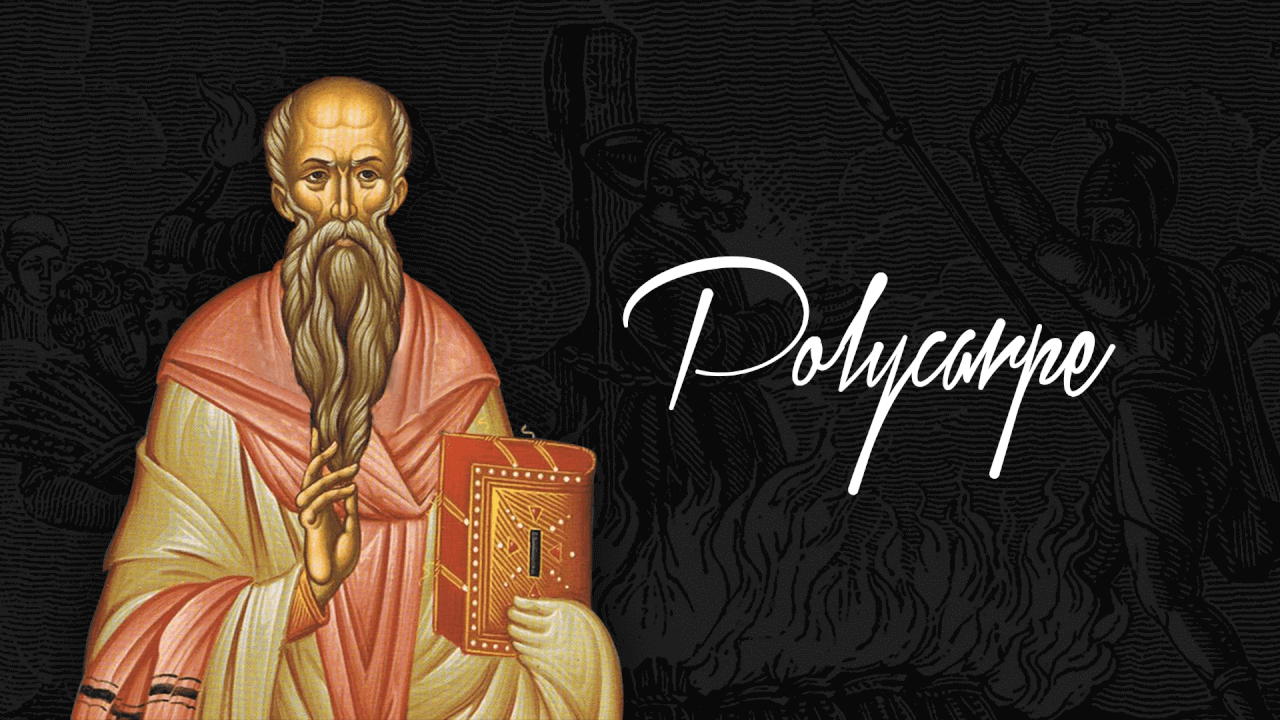
How Polycarp (And Others) Show The Early Use Of The New Testament
Posted by Luke J. Wilson on 21st November 2021 in Early Church | early church,early church fathers,polycarp,new testament,canon,biblical canon
Polycarp is one of the most important people in early church history. He was a disciple of John the Evangelist, and later became the bishop of Smyrna.
Polycarp was born around 69 A.D. in Smyrna, which is now modern-day Turkey. He grew up during a time when Christians were being persecuted for their beliefs, and he himself became a Christian at a young age. Polycarp is regarded as one of the earliest church fathers because he had a significant impact on Christianity as it spread throughout Asia Minor and Europe, and he also played an important role in shaping biblical canon for centuries to come.
We don’t know a great deal about his life, apart from t...
Google, Jesus and Artificial Intelligence
Posted by Luke J. Wilson on 28th January 2018 in Technology | Google Home,Google,AI,Artificial intelligence,Jesus,Budda,Mohammed,outrage,persecution,starbucks,faith,tech
You may have seen the videos and articles being shared around social media lately about Google's new voice-activated digital assistant, Google Home, not knowing who Jesus is.
Shock, horror — right?
No. It's just more faux outrage and fuel for America's persecution complex. I mean, so what? Google isn't a Christian run company, they have no obligation to Christ or the Church. Why are we letting something like this bother us so much? It's just another thing in the ever growing list of things-to-be-mad-about-that-don't-really-matter on social media. Where is our faith rooted? What is the foundation and rock upon which we stand? Is it in how well a 'smart speak...
Powered by WebBoss.io 3.7.1
Copyright © 2026 The Sacred Faith: Timeless Truths for Modern Minds. All Rights Reserved.
