
Blog Search Results


140 results for tribes people
found
within the Blog
6 displayed out of 140 (0.43seconds)Page 14 of 24
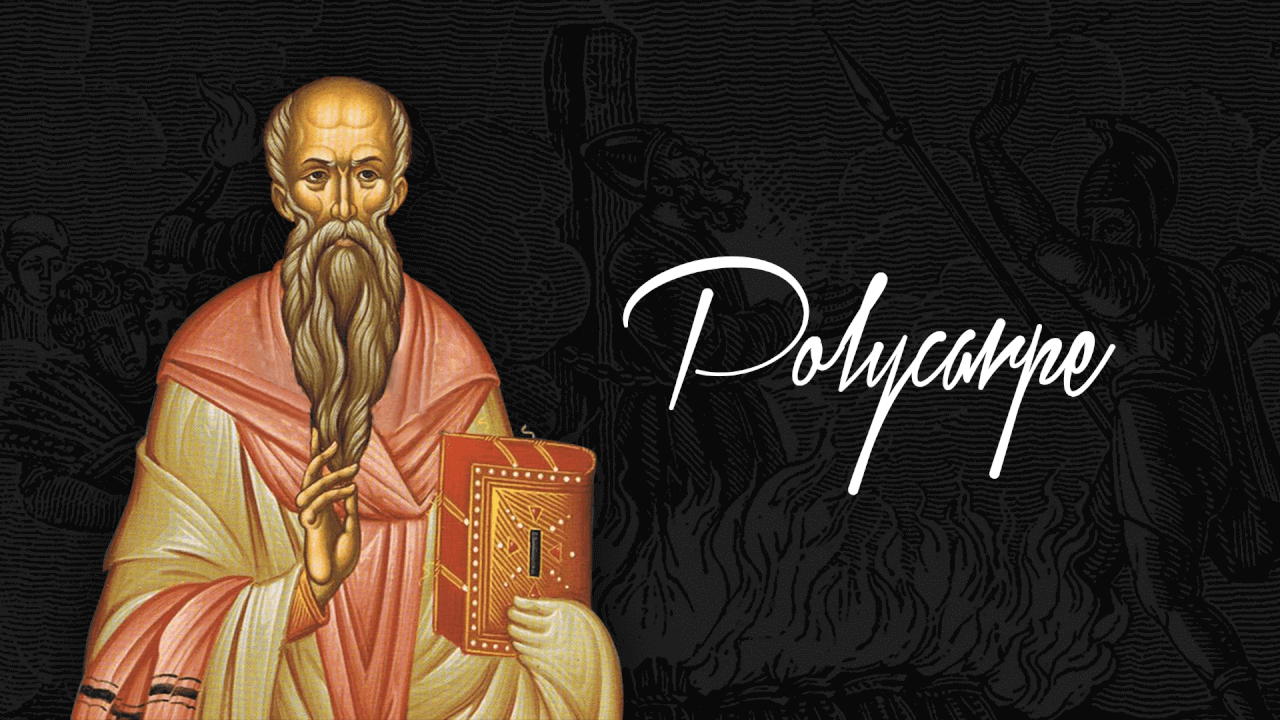
How Polycarp (And Others) Show The Early Use Of The New Testament
Posted by Luke J. Wilson on 21st November 2021 in Early Church | early church,early church fathers,polycarp,new testament,canon,biblical canon
Polycarp is one of the most important people in early church history. He was a disciple of John the Evangelist, and later became the bishop of Smyrna.
Polycarp was born around 69 A.D. in Smyrna, which is now modern-day Turkey. He grew up during a time when Christians were being persecuted for their beliefs, and he himself became a Christian at a young age. Polycarp is regarded as one of the earliest church fathers because he had a significant impact on Christianity as it spread throughout Asia Minor and Europe, and he also played an important role in shaping biblical canon for centuries to come.
We don’t know a great deal about his life, apart from t...
Women should be silent?
Posted by Luke J. Wilson on 8th April 2014 in Women | women,silence,1 Corinthians,1 Timothy,authority,doctrine,marriage
1 Timothy 2:12 - "I permit no woman to teach or to have authority over a man; she is to keep silent."
Here's an often tricky subject, depending on who you speak to about it.
Before I begin, it should be noted here that these words ("woman" and "man") could also be translated as "wife" and "husband", which then changes the thrust of this command quite drastically.
This verse, and others similar, are often taken by people to mean that it only applies in a church setting (ignoring the fact that we are the Church - 1 Cor 12:27; Rom 12:5). A little while ago when discussing this topic, an argument was put forth about the 'Woman at the Well' preaching to other...
Lent: Day 12 - Justin Martyr: First Apology, Chaps. 1-11
Posted by Luke J. Wilson on 14th March 2017 in Lent | Lent,great lent,fasting,early church fathers,devotional,daily reading,Justin Martyr,apologetics
Day Twelve: St. Justin Martyr: First Apology, Chaps. 1-11
Who: Justin Martyr was a Philosopher who converted to Christianity and became a tireless evangelist and apologist. Justin wrote more Christianity than any other person prior to his time. He is classified herein as Eastern, since he a native of Samaria and his thought patterns were Eastern. However, he spent the last years of his life in Rome, where he was executed as a martyr (c. 165).
What: An apologetic (defence) essay to explain what Christians believe and do.
Why: Justin is demanding the Emperor to investigate accusations and unjust persecution against Christians so that they at least may face a f...
Lent: Day 13 - Justin Martyr: First Apology, Chaps. 12-23
Posted by Luke J. Wilson on 15th March 2017 in Lent | Lent,great lent,fasting,early church fathers,devotional,daily reading,Justin Martyr,apologetics
Day Thirteen: St. Justin Martyr: First Apology, Chaps. 12-23
Who: Justin Martyr was a Philosopher who converted to Christianity and became a tireless evangelist and apologist. Justin wrote more Christianity than any other person prior to his time. He is classified herein as Eastern, since he a native of Samaria and his thought patterns were Eastern. However, he spent the last years of his life in Rome, where he was executed as a martyr (c. 165).
What: An apologetic (defence) essay to explain what Christians believe and do.
Why: Justin is demanding the Emperor to investigate accusations and unjust persecution against Christians so that they at least may face...
Lent Day 23: Athanasius: Life of Anthony: Chaps. 21-30
Posted by Luke J. Wilson on 27th March 2017 in Lent | Lent,great lent,fasting,early church fathers,devotional,daily reading,Athanasius,Bishop of Alexandria,Confessor,Doctor of the Church,Anthony the Great,demons,demonology
Day Twenty-three: St. Athanasius: Life of Anthony: Chaps. 21-30
Who: Bishop of Alexandria; Confessor and Doctor of the Church; born c. 296; died 2 May, 373 AD. He was the main defender of orthodoxy in the 4th-century battle against the Arianism heresy. Certain writers received the title “Doctor” on account of the great advantage their doctrine had on the whole Church, Athanasius especially for his doctrine on the incarnation.
What: The biography of Anthony the Great’s life, which helped to spread the concept of Christian monasticism, particularly in Western Europe.
Why: From the letter’s own prologue: “The life and conversation of our holy Father...
The Reality of Sin
Posted by Luke J. Wilson on 19th November 2018 in Sin | sin,zombies,mold,mildew,judgement
Sin is like a mold on us, like a rotting, black skin disease. If only we could see it on us, we'd be disgusted and repulsed! Zombies are popular on TV etc. right now, think of the grossness of those images and realise that when we sin and keep sinning, that's what we end up looking like before God!
We are living stones, together building up the temple of the Holy Spirit (1 Peter 2:5; 1 Cor 6:19). Think about that for a moment. Think of the splendor of Solomon's temple when it was built (re-read it again if you can’t remember: 1 Kings 6:14-36). We are that and SO much more! But now imagine it with mold and mildew and all that horrible black damp growing and sp...
Powered by WebBoss.io 3.7.1
Copyright © 2026 The Sacred Faith: Timeless Truths for Modern Minds. All Rights Reserved.
