
Blog Search Results


Did you mean:
part one
?
193 results for Part one
found
within the Blog
6 displayed out of 193 (0.47seconds)Page 15 of 33
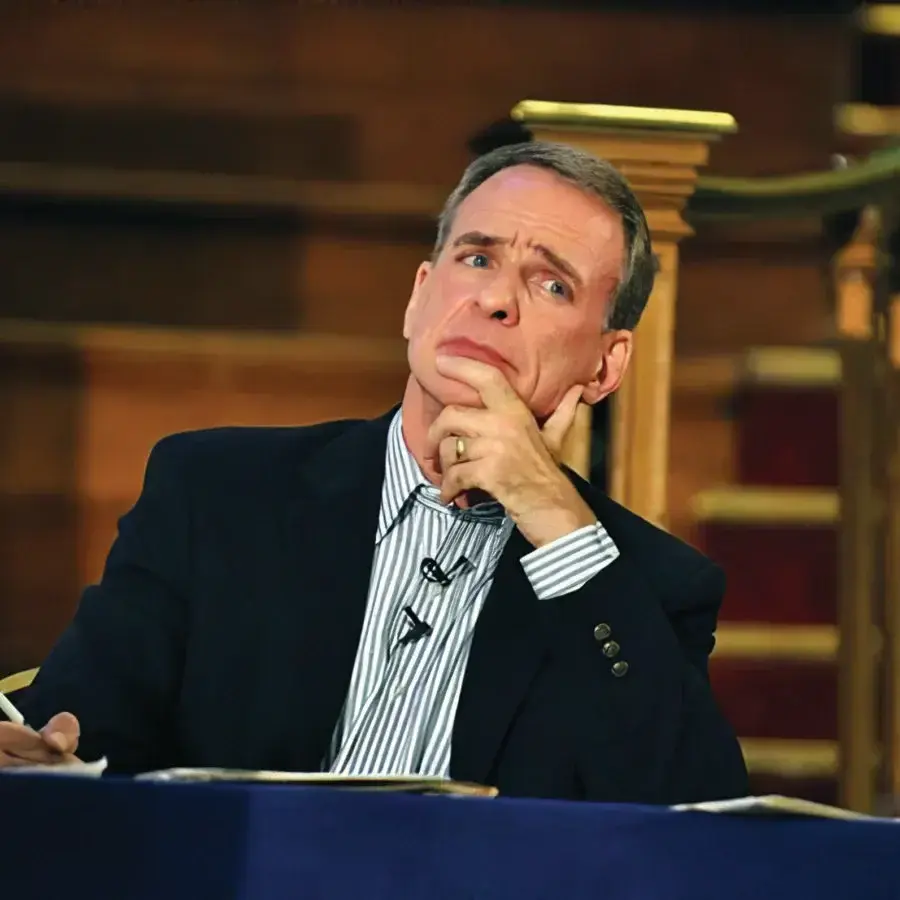
William Lane Craig Rejects The Nicene Creed. Is He Right To?
Posted by Luke J. Wilson on 25th August 2026 in William Lane Craig | William Lane Craig,current events,nicene creed,heresy
If you’ve been on Christian social media this week, you’ve probably seen it: William Lane Craig — one of the most respected Protestant apologists of our time— flatly denying a core line of the Nicene Creed. In his own words, he does not believe or confess that the Son is eternally begotten from the Father in his divine nature. Human nature, yes. But divine? Nope.
For a lot of readers, that’s a jarring sentence. Isn’t “eternally begotten of the Father” literally in the Creed we recite? How can someone who has spent decades defending the resurrection and the existence of God turn around and reject something so central?
I want to walk through...
The Reformation: A Sound-Bite History (Book Review)
Posted by Luke J. Wilson on 14th February 2019 in Book Review | book review,reformation,church history
This short little book on the Reformation and some of the leading men who helped to kick-start it and continue to fan its flames has been very enjoyable to read. It really is a “sound bite history” as the chapters are short and snappy, and really only cover the absolute basics of each of the Reformers lives. The book has seven chapters, with six of them dedicated to an individual who had a pivotal role in the beginnings of the Reformation: Martin Luther, John Wycliffe, John Huss, John Calvin, Hugh Latimer and George Whitefield.
The Reformation:A Sound-bite History
I found it to be very educational and easy to read and digest; gleaning just enough info...
The Coming of Jesus: Introduction
Posted by Luke J. Wilson on 26th May 2014 in Second Coming Series | Second Coming,Return of Christ,Return of Jesus,Preterism,Prophecy,Last Days,Left Behind,Introduction
Will Jesus return in the way most of us have been taught?
I suspect that when many people think of the "Second Coming" — that is, the return of Jesus, images of the world ending in a blaze of fire and glory come to mind; or of some super-war called Armageddon where the Anti-Christ battles it out with God's people one last time before the End comes. You may even think of Jesus surfing across the sky on clouds with a bunch of angel in tow, or maybe the Left Behind book and film series frames your view of the "end times."
Whichever it is, one thing I can assure you of is that some of that imagery has been embellished and some misunde...
Lent Day 36: Ambrose of Milan: Concerning the Mysteries: 5-9
Posted by Luke J. Wilson on 11th April 2017 in Lent | Lent,great lent,fasting,early church fathers,devotional,daily reading,Doctor of the Church,lectures,liturgy,catechism,Eucharist,Bishop of Milan,St Ambrose,mysteries,treatise,baptism,transubstantiation,real presence
Day Thirty-six: St. Ambrose of Milan: Concerning the Mysteries: 5-9
Who: Bishop of Milan from 374 to 397; born probably 340, at Trier, Arles, or Lyons; died 4 April, 397. He was one of the most illustrious Fathers and Doctors of the Church.
What: The treatise was composed for use during the latter Part of Lent, for the benefit of those about to be baptised, the rites and meaning of that Sacrament, as well as of Confirmation and the Holy Eucharist. For all these matters were treated with the greatest reserve in the Early Church, for fear of being misused by unbelievers.
Why: Ambrose states that after the explanations he has already given of holy living (in pre...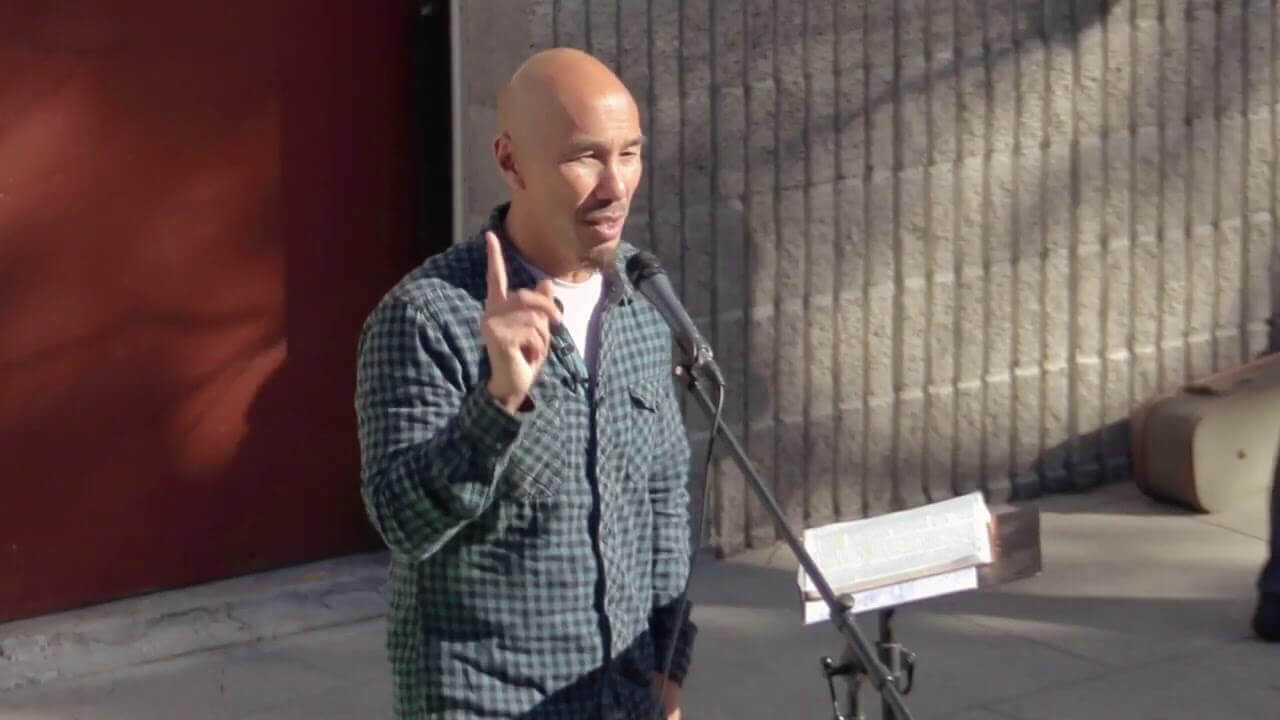
Francis Chan turns towards a more historical and ancient view of Communion
Posted by Luke J. Wilson on 14th January 2020 in General Interest | eucharist,communion,francis chan,church fathers,church history,controversy
If you follow certain Christian blogs, or have Christian friends on Social Media, then you may have seen a short video clip being shared which has been taken from a recent sermon by popular Evangelical pastor/speaker and author, Francis Chan of Crazy Love ministries.
Depending on who shared the clip will depend on which reaction you have seen; some are praising his words, others fearing for his future calling it a “red flag”.
And all of this over a short statement he made about communion!
I recommend you watch this 3 minute clip below before continuing, if you haven’t seen it already. I would also recommend watching the whole 47 minute sermon for some b...
The Deity of Christ in the Gospel of Matthew - Part 1
Posted by KingsServant on 22nd December 2022 in Apologetics | islam,islam vs christianity,debate,gospels,apologetics,deity of christ
The titles “Jehovah” and “God” given to Jesus in Matthew 1
This is a guest post by “KingsServant”, see Part 2 here.
In this series of articles, I want to present the case that Matthew teaches Jesus is God, from the arguments I made in 2 moderated debates with a Muslim apologist, Mohammed Abd al Razack, commonly known as Al Yemeni. Although I will be going into far more detail, not having to deal with the tight time controls of a debate format.
The moderated debate on YouTube with me (KingsServant)
Matthew’s teaching of the Trinity and in Particular that Jesus is God is by no means limited to the baptismal formula given by Christ after h...
Powered by WebBoss.io 3.7.1
Copyright © 2026 The Sacred Faith: Timeless Truths for Modern Minds. All Rights Reserved.
