
Blog Search Results


93 results for book
found
within the Blog
6 displayed out of 93 (0.04seconds)Page 15 of 16

Palm Sunday and the End Times
Posted by Luke J. Wilson on 2nd April 2023 in Eschatology | eschatology,end times,palm sunday
It’s not often we read the text of the triumphant entry into Jerusalem as an eschatological text thinking about the return of Christ. Especially as at this point the in the Gospel narratives, Jesus is on earth in his first coming, and still a week away from his crucifixion!
While the texts usually read across the world on Palm Sunday may be familiar to us (Luke 19:28–40), we might miss the connection with the preceding parables if we don’t read the whole of Luke 19 together.
I won’t quote everything here, as you can read the whole text for yourself, but the pertinent verses come from the Parable of the Ten Minas in verses 11–27:
Luke 19:11, 27As the...
On the Feast of the Nativity, a sermon by Leo the Great
Posted by Luke J. Wilson on 22nd December 2018 in Christmas | nativity,christmas,xmas,leo the great,sermon
In the days leading up to Christmas, I wanted to share a sermon from a man known as Leo the Great (aka Pope Leo I), who was a Pope from 440-61 AD. He was one of the most significant and important men in Christian antiquity, as he tried to combat the heresies which seriously threatened church unity in the West, such as Pelagianism. This sermon of his about the incarnation of Christ and what it means for us has always stuck with me since I first read it last April when writing my own book on the Early Church Fathers.
It's not that long, so take the time to read it through and let the words sink in as we prepare for Christmas to remember and celebrate the birth...
Lent, Lament and Lockdown
Posted by Luke J. Wilson on 3rd April 2020 in Coronavirus | lent,coronavirus,covid-19,lamentations,lament,lockdown
...from the book dedicated to lament;
Lamentations 3:16-18
He has made my teeth grind on gravel,
and made me cower in ashes;
my soul is bereft of peace;
I have forgotten what happiness is;
so I say, “Gone is my glory,
and all that I had hoped for from the LORD.”
Hope in the face of darkness
As we look forward to the end of this pandemic with hope like a light at the end of a tunnel, in the meantime we just learn to live in the darkness as the Apostles did on those gloomy days between the crucifixion and the resurrection; when their world ended but was then reborn better than ever expected!
They only had to wait a couple of days to see their h...
Jesus Like You've Never Seen Before - Discoveries from Early Christian Art
Posted by Luke J. Wilson on 13th May 2023 in Archaeology | archaeology,icons,Jesus,history,historical
...g an open book to signify the Gospel and the message he brought.
It’s crucial to remember that these are not merely portraits; they are religious art — icons. They are designed to depict specific elements for particular theological reasons, rather than being a literal representation of the figure.
I hope this exploration of early Christian art and the evolving depictions of Jesus proves interesting and informative as it offers an engaging look into the intersection of history, art, and theology.
Further Reading
What do the hand gestures in icons mean? (aleteia.org)
Jesus Holding a Magic Wand? — Biblical Archaeology Society
Jesus the M...
The Early Concept of the Trinity: Tracing the Roots
Posted by Luke J. Wilson on 16th November 2023 in Trinity | trinity,early church,early church fathers,tri-unity,triune God,godhead
...The doctrine of the Trinity, which asserts the co-equality of the Father, Son, and Holy Spirit, has deep roots in the early Christian writings of the first three centuries. While the full articulation of the Trinity developed over time, culminating at the Council of Nicaea in the fourth century, references to the equality of these three persons can be traced back to influential documents and the teachings of early Church Fathers in the centuries leading up to this pivotal moment in Church History.
Early Church Beliefs and Teachings
One of the earliest Christian documents, the Didache, believed to have been written in the late first or early second century, pro...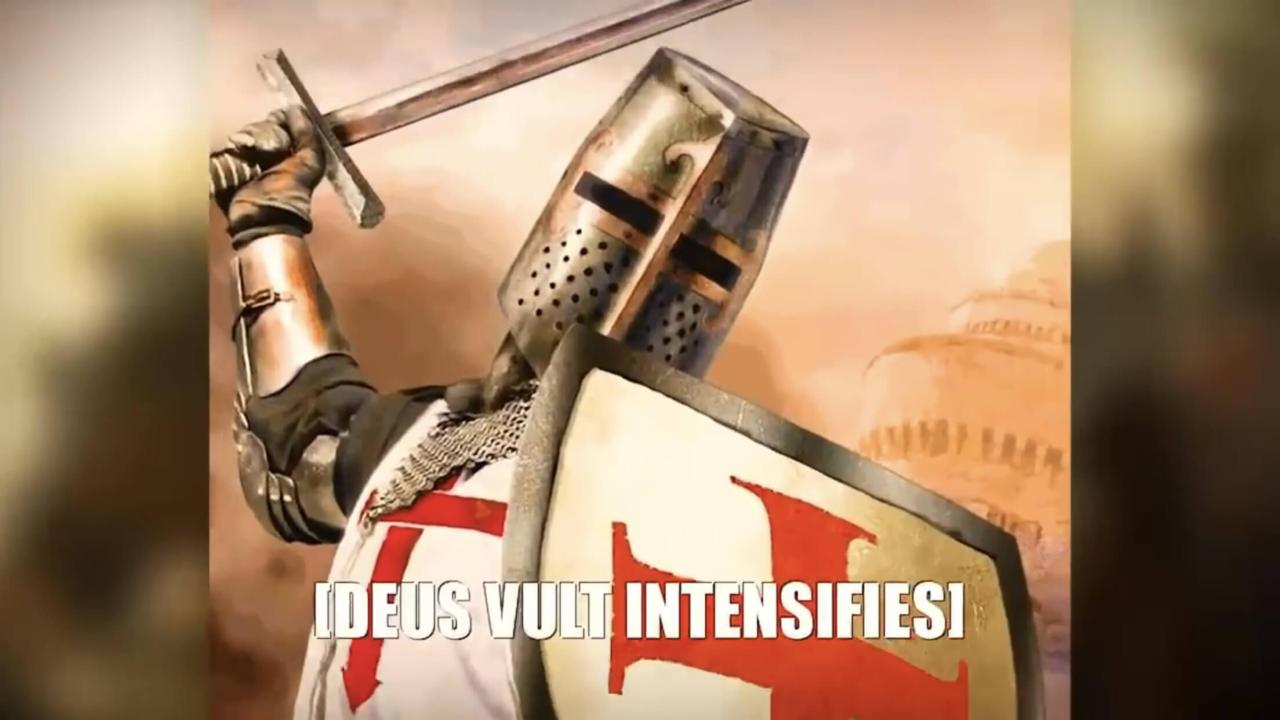
Debunking the Crusades: 5 Myths You Probably Believe
Posted by Luke J. Wilson on 14th October 2024 in Crusades | Crusades,Medieval,history,muslim
....
This book presents an in-depth, accessible narrative of the Crusades, drawing on both Christian and Muslim sources.
Tyerman, Christopher. God’s War: A New History of the Crusades. Penguin, 2006.
A thorough and scholarly examination of the Crusades, focusing on the complex interactions between Europe and the Near East.
France, John. The Crusades and the Expansion of Catholic Christendom, 1000–1714. Routledge, 2005.
This text offers a broader view of the Crusades within the context of medieval Christendom and the expansion of the Catholic Church’s influence....
Powered by WebBoss.io 3.7.1
Copyright © 2026 The Sacred Faith: Timeless Truths for Modern Minds. All Rights Reserved.
