
Blog Search Results


93 results for history
found
within the Blog
6 displayed out of 93 (0.05seconds)Page 15 of 16

Has Brexit just spoiled “End Times” prophecy?
Posted by Luke J. Wilson on 25th June 2016 in Eschatology | end times,Brexit,EU referendum,european union,antichrist,NWO,second coming
...know our history in these cases.
“Brexit” may or may not be bad for the UK and Europe in general, which has possibly got you worried, but as for an anti-christ rising from the ashes? I don’t think so, I don’t see any Scripture to support the notion either.
If this topic has piqued your interest, or you are interesting in learning more about the “End Times”, or maybe want to study a different, more historically based perspective on it all, then I recommend having a look at my series on the Second Coming of Jesus:
The Coming of Jesus: Introduction
The Coming of Jesus: Daniel's 70 Weeks
The Coming of Jesus: Coming on the Clouds
The Comi...
Lent: Intro - 40 Day Reading Plan with the Fathers
Posted by Luke J. Wilson on 1st March 2017 in Lent | Lent,great lent,fasting,early church fathers,devotional,daily reading
...This year for Lent I'm following a reading plan which comprises of a collection of extracts from various early church fathers writings. Each day I'm going to write a short overview and any thoughts on the text and link back to the source material so you can also follow along with me too, if you'd like. The overview of each day will probably be posted on the day after. The reading should only take 10-15 minutes of your time, and by day 40, you will have read ten different Fathers:
Didache, Diognetus, Polycarp, Ignatius, Justin Martyr, Cyprian, Athanasius, Cyril of Jerusalem, Ambrose of Milan, and Leo the Great.
I'll be reading from the “Church Fathers Lenten...
Lent: Day 5 - Ignatius to the Ephesians
Posted by Luke J. Wilson on 6th March 2017 in Lent | Lent,great lent,fasting,early church fathers,devotional,daily reading,Ignatius of Antioch: Letter to the Ephesians,Ignatius
...Day Five: St. Ignatius of Antioch: Letter to the Ephesians (full text)
Who: Ignatius converted at a young age and later became Bishop of Antioch. A friend of Polycarp and fellow disciple of John, there is a long standing tradition that Ignatius was the child that Jesus held in his arms and blessed in Mark 10:13-16
What: The letter has a strong call to and for unity within the church, along with respect for their bishop.
Why: Ignatius wrote a series of letters to the churches in Asia Minor whilst en route to Rome to face martyrdom by wild beasts in the Colosseum around 108 AD.
When: Around 107-108 AD
There is a strong theme to this letter from the outset, an...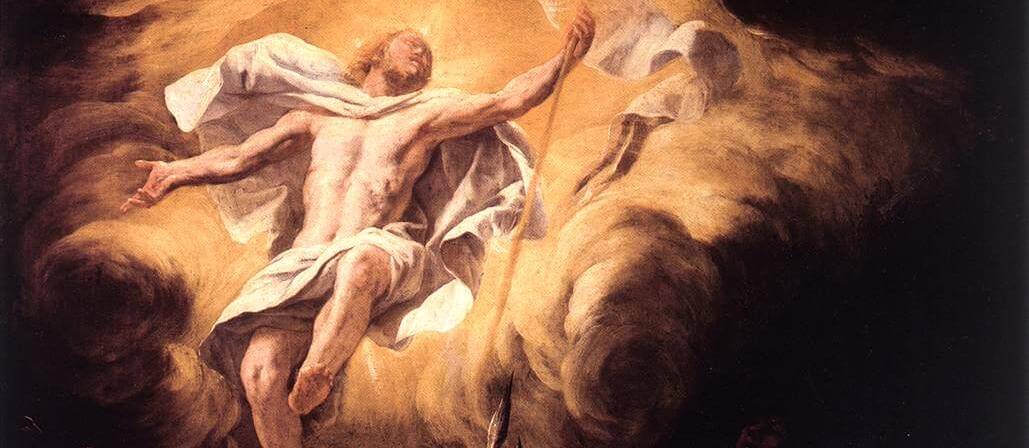
The Resurrection as a historical event
Posted by Luke J. Wilson on 29th April 2017 in Easter | resurrection,easter,apologetics,history,historical
...Table of Contents
Jesus was raised bodily – and historically
The resurrection is what makes Christianity unique!
Evidence from Paul
The mystery of the resurrection
The nature of the resurrection
The resurrection is more than physical
What with Easter still ringing in our ears, I thought it would be a good time to revisit the topic of resurrection, but from a historical standpoint and why we can trust it as a real, world-changing event. So, what really is the resurrection? How will we be resurrected, and what does it mean for us that Jesus rose again? Let’s explore what this means for us as Christians, and see what the Scriptures say.
Jesus wa...
An Examination of Conditional Immortality (Part Two)
Posted by Luke J. Wilson on 3rd July 2021 in Hell | hell,theology,conditional immortality,annihilationism
...hroughout history, this could refer to any and all other religions which draw people away from the truth of Christ.
With this in mind, not everything going into the Lake of Fire lasts forever, even in the Eternal Conscious Torment (ECT) view, as the objects aren’t necessarily always physical people (like death). What does John call the Lake of Fire, so that we understand what he is witnessing: “the second death”. In that same verse, John juxtaposed the “book of life” with “the second death”, which gives us that stark contrast and helps us to see what exactly the Lake of Fire is:
Revelation 20:14–15… This is the second death, the lake of fire;...
Palm Sunday and the End Times
Posted by Luke J. Wilson on 2nd April 2023 in Eschatology | eschatology,end times,palm sunday
...It’s not often we read the text of the triumphant entry into Jerusalem as an eschatological text thinking about the return of Christ. Especially as at this point the in the Gospel narratives, Jesus is on earth in his first coming, and still a week away from his crucifixion!
While the texts usually read across the world on Palm Sunday may be familiar to us (Luke 19:28–40), we might miss the connection with the preceding parables if we don’t read the whole of Luke 19 together.
I won’t quote everything here, as you can read the whole text for yourself, but the pertinent verses come from the Parable of the Ten Minas in verses 11–27:
Luke 19:11, 27As the...
Powered by WebBoss.io 3.7.1
Copyright © 2026 The Sacred Faith: Timeless Truths for Modern Minds. All Rights Reserved.
