
Blog Search Results


157 results for daily reading
found
within the Blog
6 displayed out of 157 (0.40seconds)Page 17 of 27

The Real St. Nicholas: A Man of Virtue, Not Violence
Posted by Luke J. Wilson on 7th December 2024 in Christmas | arianism,nicea council,nicene council,st nicholas,history,church fathers,church history
When we think of St. Nicholas, two contrasting images often emerge: the cheerful, gift-giving Santa Claus and the fiery bishop who supposedly punched Arius at the Council of Nicaea. The latter story, popularised through memes and tales of “righteous anger,” portrays Nicholas as a defender of truth through violence. But how much of this tale is rooted in fact?
St Nicholas of Myra slapping Arius at the Council of Nicaea.Fresco from the Soumela Monastery (Turkey)
The truth is both simpler and more profound: St. Nicholas embodied the teachings of Christ, not through impulsive acts of aggression, but through a life of love, generosity, and devotion.
Sepa...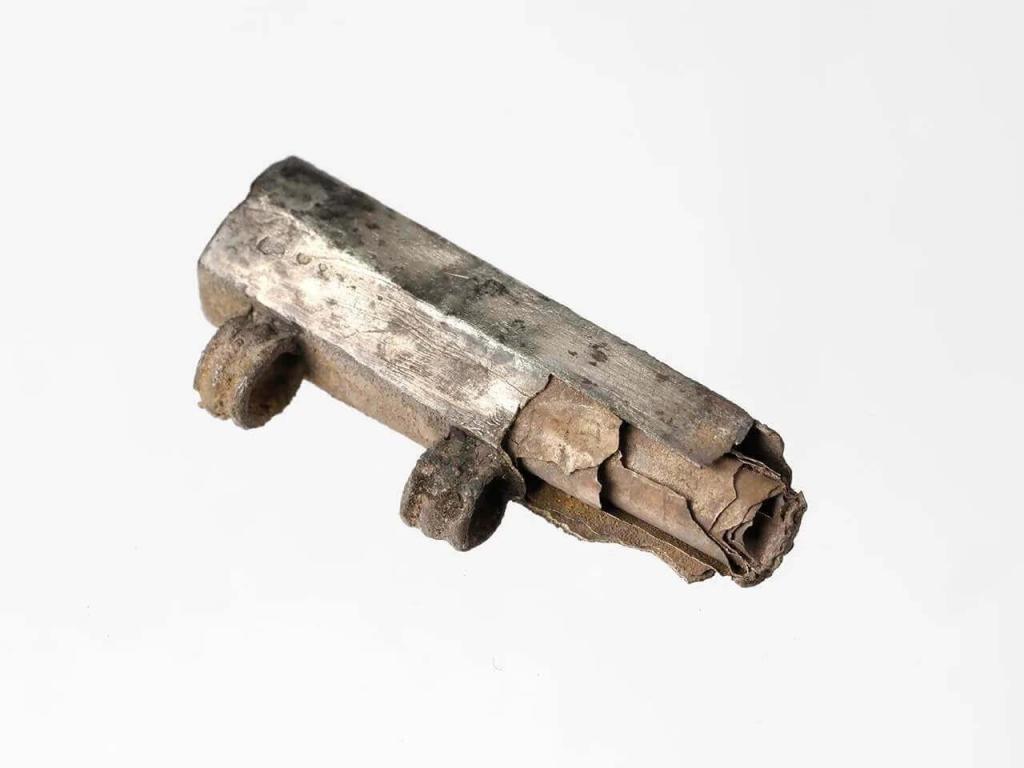
Ancient Amulet Rewrites History Of Christianity In Europe
Posted by Luke J. Wilson on 18th December 2024 in Archaeology | archaeology,amulet,discovery,current events,protection amulet
New discovery proclaims Jesus as “Son of God” a century earlier than previously thought.
An exciting archaeological discovery has recently come to light: researchers have unearthed an 1800-year-old silver amulet in Frankfurt, Germany. This amulet provides the earliest known evidence of Christianity north of the Alps and disrupts previously held ideas about the spread of the faith, namely that Christianity didn’t get to the German region around the fourth century.
The amulet, dating from approximately 230 to 270 AD, was found in 2018 beneath the chin of a man’s skeleton during excavations at a Roman burial site near the former town of Nida, now part o...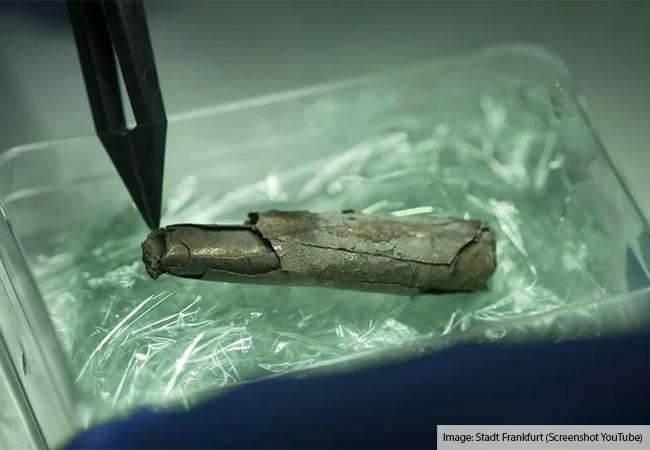
Implications Of The Frankfurt Silver Amulet: Insights Into Early Christian Practice And Belief
Posted by Luke J. Wilson on 6th January 2025 in Archaeology | amulet,liturgy,history,current events,early church
The discovery of an 1,800-year-old silver amulet in Frankfurt, Germany, has captured the attention of archaeologists and theologians alike. Known as the “Frankfurt Silver Inscription,” this artefact is the earliest known evidence of Christianity north of the Alps and serves as a great insight to early Christian theology and liturgical practice.
Its early date (230–270 AD) sets it apart from previously known artefacts, which are at least 50 years younger. While there are historical references to Christian communities in Gaul and Upper Germania during the late 2nd century, reliable material evidence of Christian life in the northern Alpine regions generally...
Lent: Day 6 - Ignatius to the Magnesians
Posted by Luke J. Wilson on 7th March 2017 in Lent | Lent,great lent,fasting,early church fathers,devotional,daily reading,Ignatius,Ignatius of Antioch: Letter to the Magnesians
Day Six: St. Ignatius of Antioch: Letter to the Magnesians (full text)
Who: Ignatius converted at a young age and later became Bishop of Antioch. A friend of Polycarp and fellow disciple of John, there is a long standing tradition that Ignatius was the child that Jesus held in his arms and blessed in Mark 10:13-16
What: Ignatius urges the church to continue in unity, to honour their leadership and to avoid Judaizers who may try to bring false teaching. This letter also gives some valuable insight to early church hierarchy.
Why: Ignatius wrote a series of letters to the churches in Asia Minor whilst en route to Rome to face martyrdom by wild beasts in the Col...
The Relationship Between Jesus and Sophia
Posted by Luke J. Wilson on 22nd July 2021 in Christology | wisdom,Sophia,feminism,women,christology,early church,early church fathers
Now you may be wondering about the title, or thinking “who the heck is Sophia??” — well, bear with me, and all will be revealed. It’s not as sinister or weird as it may first appear.
I saw a post on my Instagram feed the other day that just got me a little riled up. I’ll admit it, I can be a little short-tempered at times, especially around the subject of Jesus and seeing him/the Christian faith misrepresented to such a degree that it could mislead others down the wrong path. I don’t normally write responses to things like this, but I felt this one deserved it, mainly just to add some clarity to a somewhat confusing topic, and so there’s a pla...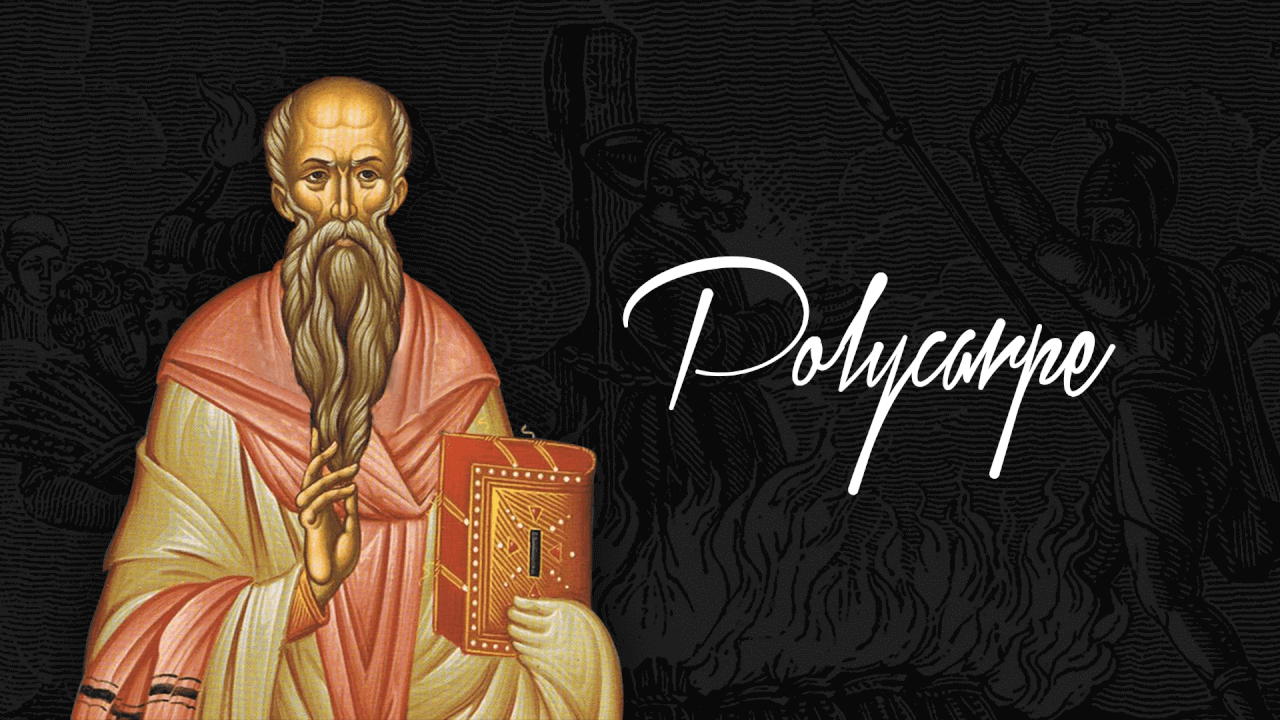
How Polycarp (And Others) Show The Early Use Of The New Testament
Posted by Luke J. Wilson on 21st November 2021 in Early Church | early church,early church fathers,polycarp,new testament,canon,biblical canon
Polycarp is one of the most important people in early church history. He was a disciple of John the Evangelist, and later became the bishop of Smyrna.
Polycarp was born around 69 A.D. in Smyrna, which is now modern-day Turkey. He grew up during a time when Christians were being persecuted for their beliefs, and he himself became a Christian at a young age. Polycarp is regarded as one of the earliest church fathers because he had a significant impact on Christianity as it spread throughout Asia Minor and Europe, and he also played an important role in shaping biblical canon for centuries to come.
We don’t know a great deal about his life, apart from t...
Powered by WebBoss.io 3.7.1
Copyright © 2026 The Sacred Faith: Timeless Truths for Modern Minds. All Rights Reserved.
