
Blog Search Results


187 results for jesus death
found
within the Blog
6 displayed out of 187 (0.30seconds)Page 17 of 32
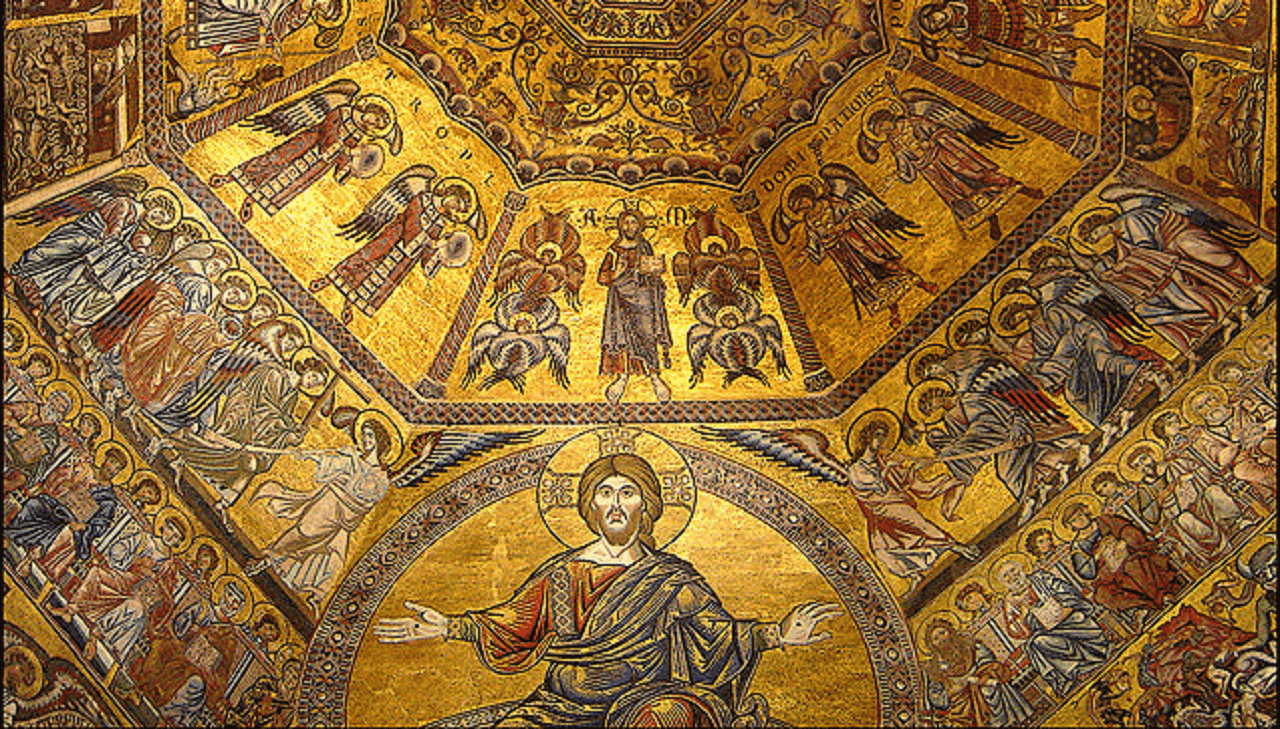
What are the Seraphim, and was the devil one of them?
Posted by Luke J. Wilson on 23rd April 2020 in Angels | devil,satan,angels,seraphim,heaven
Have you ever wondered about what the devil is — or was, pre-Fall? You’ve probably been told that he used to be an angel with God, so then why is he often described as a snake, serpent or dragon?
Though there isn’t a great deal given away in Scripture as to the nature of angels, or the heavenly realms in general, we get some glimpses from the visions of the prophets. But what we can also look at is the words which the Bible uses; some of which aren’t translated and so lose their original meaning in English.
The Seraphim
The word “seraphim” is a transliteration of a Hebrew word, rather than a translation, so in English we often will miss the me...
Lent: Day 8 - Ignatius to the Romans
Posted by Luke J. Wilson on 9th March 2017 in Lent | Lent,great lent,fasting,early church fathers,devotional,daily reading,Ignatius,Ignatius of Antioch: Letter to the Romans,martyrdom
Day Eight: St. Ignatius of Antioch: Letter to the Romans (full text)
Who: Ignatius converted at a young age and later became Bishop of Antioch. A friend of Polycarp and fellow disciple of John, there is a long standing tradition that Ignatius was the child that jesus held in his arms and blessed in Mark 10:13-16
What: A challenging letter in which Ignatius pours himself out to the Roman church about his impending martyrdom.
Why: Ignatius wrote a series of letters to the churches in Asia Minor whilst en route to Rome to face martyrdom by wild beasts in the Colosseum around 108 AD.
When: Around 107-108 AD
On reading the introduction to this letter my first th...
Lent Day 33: Cyril of Jerusalem: Catechetical Lectures: Lecture XXII
Posted by Luke J. Wilson on 7th April 2017 in Lent | Lent,great lent,fasting,early church fathers,devotional,daily reading,Doctor of the Church,lectures,liturgy,catechism,Bishop of Jerusalem,Eucharist,Communion,Real Presence,Transubstantiation
Day Thirty-three: St. Cyril of Jerusalem: Catechetical Lectures: Lecture XXII
Who: Bishop of Jerusalem and Doctor of the Church, born about 315; died probably 18 March, 386. Little is known of his life, except from his younger contemporaries, Epiphanius, Jerome, and Rufinus, as well as from the fifth-century historians, Socrates, Sozomen and Theodoret.
What: Each of the lectures deal with a different topic to teach converts the mysteries of the Church, particularly: rites of the renunciation of Satan and his works, of anointing with oil, of baptism, of anointing with the holy chrism, and of partaking of the body and blood of Christ.
Why: Cyril delivered to ne...
Evidence of the Trinity in the Hebrew Scriptures
Posted by Arnold Fruchtenbaum on 8th November 2017 in Trinity | trinity,monotheism,shema,Jewish,Jews,Messiah,messianic,Jews for jesus,jewsforjesus.org,tri-unity,creeds
Table of Contents
Jewishness and the Trinity
1. God Is A Plurality
The Name Elohim
Plural Verbs used with Elohim
The Name Eloah
Plural Pronouns
Plural Descriptions of God
The Shema
II. God Is At Least Two
Elohim and YHVH Applied to Two Personalities
III. God Is Three
How Many Persons Are There?
The Three Personalities in the Same Passage
Conclusion
New Testament Light
I was recently in some discussions/debates online about the nature of God and whether the "Trinity" exists, or if God is purely singular and exists in different forms rather than different persons.
This idea that God has different "forms" or "mod...
Slavery in the Bible – Does God Condone Slavery?
Posted by Joshua Spaulding on 15th September 2020 in Slavery | slavery,bond-servant,Philemon
This is a guest post by Joshua Spaulding from eternalanswers.org. The views are that of the author and don't necessarily reflect the views of That Ancient Faith.
As you read through the Scriptures, you will come across some passages that seem to suggest that slavery is not condemned by God. Some who think this to be the case are sincerely seeking truth, while others are only looking for reasons to discount the Bible.
Some of the passages in question are Exodus 21:2-6, Deuteronomy 15:12-15, Ephesians 6:5 and Colossians 4:1 which provide instruction on the treatment of slaves.
In light of these Scriptures, does God condone slavery?
Before diving too deep...
Where Hal Lindsey and Dispensationalism Went Wrong
Posted by Charles Meek on 2nd December 2024 in Eschatology | Dispensationalism,end times,Hal Lindsey,John Nelson Darby,false prophets
This is a guest post from Charles Meek
Hal Lindsey’s bookThe Late Great Planet Earth
Hal Lindsey’s book The Late Great Planet Earth, first edition in 1970, sold over 40 million copies. Gullible Christians got sucked into Lindsey’s soon-end-of-the-world cult-like poppycock. As time has passed without his version of Armageddon taking place, we can now objectively analyze where Lindsey went wrong:
Lindsey (p. 54, 181), like other dispensationalists, placed the beginning of the end with Israel becoming a nation in 1948. He thought all prophecy would be fulfilled within a 40-year generation (Matthew 24:34). But 1988 came and went, proving him to b...
Powered by WebBoss.io 3.7.1
Copyright © 2026 The Sacred Faith: Timeless Truths for Modern Minds. All Rights Reserved.
