
Blog Search Results


156 results for reading plan
found
within the Blog
6 displayed out of 156 (0.38seconds)Page 17 of 26

Christians and the Coronavirus (COVID-19)
Posted by Luke J. Wilson on 20th March 2020 in Coronavirus |
We currently live in troubled times lately with a lot of uncertainty around us, both locally and globally. But even now as I write this and think on the topic of the virus, one verse in particular springs to mind:
Psalm 23:4Even though I walk through the valley of the shadow of deathI fear no evil;for you are with me;your rod and your staff — they comfort me.
It does feel a little bit like we are all walking through “the valley of the shadow of death” at the moment! But as the Psalmist says, “I fear no evil” for God is with us and comforts us. That doesn’t necessarily mean we won’t get sick (or die), but that no matter what is happening aroun...
The Relationship Between Jesus and Sophia
Posted by Luke J. Wilson on 22nd July 2021 in Christology | wisdom,Sophia,feminism,women,christology,early church,early church fathers
Now you may be wondering about the title, or thinking “who the heck is Sophia??” — well, bear with me, and all will be revealed. It’s not as sinister or weird as it may first appear.
I saw a post on my Instagram feed the other day that just got me a little riled up. I’ll admit it, I can be a little short-tempered at times, especially around the subject of Jesus and seeing him/the Christian faith misrepresented to such a degree that it could mislead others down the wrong path. I don’t normally write responses to things like this, but I felt this one deserved it, mainly just to add some clarity to a somewhat confusing topic, and so there’s a pla...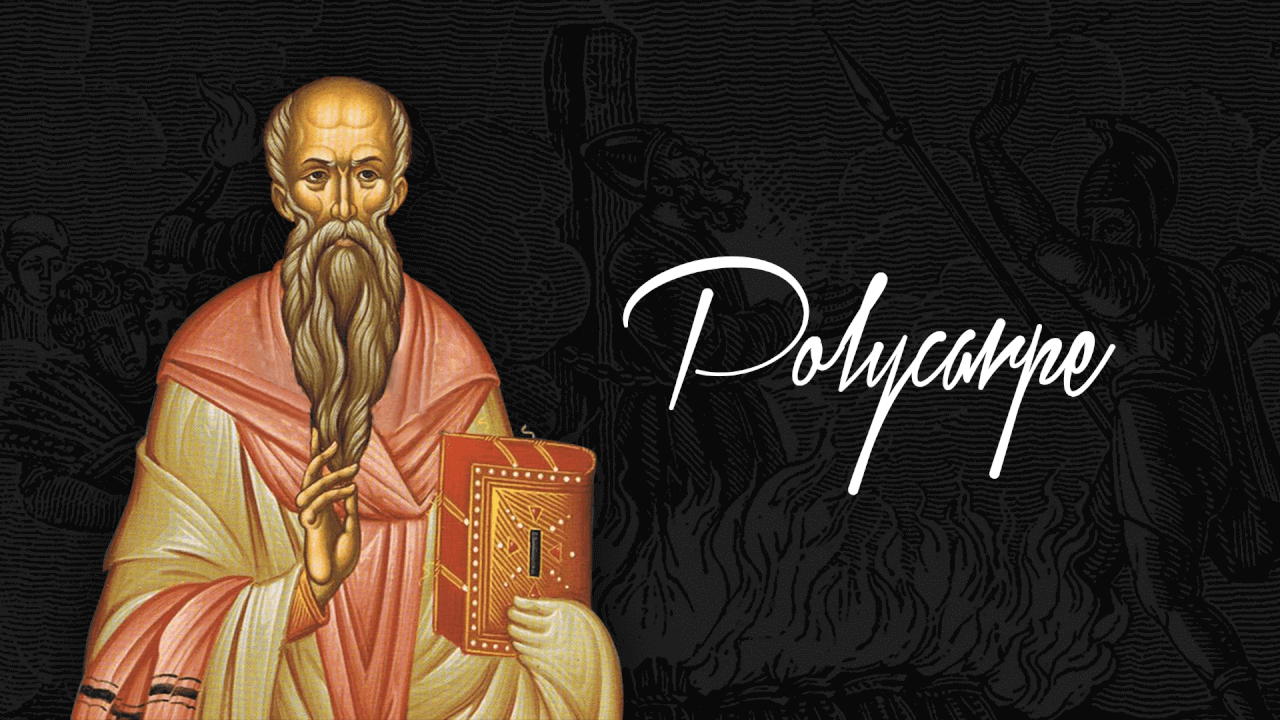
How Polycarp (And Others) Show The Early Use Of The New Testament
Posted by Luke J. Wilson on 21st November 2021 in Early Church | early church,early church fathers,polycarp,new testament,canon,biblical canon
Polycarp is one of the most important people in early church history. He was a disciple of John the Evangelist, and later became the bishop of Smyrna.
Polycarp was born around 69 A.D. in Smyrna, which is now modern-day Turkey. He grew up during a time when Christians were being persecuted for their beliefs, and he himself became a Christian at a young age. Polycarp is regarded as one of the earliest church fathers because he had a significant impact on Christianity as it spread throughout Asia Minor and Europe, and he also played an important role in shaping biblical canon for centuries to come.
We don’t know a great deal about his life, apart from t...
Women should be silent?
Posted by Luke J. Wilson on 8th April 2014 in Women | women,silence,1 Corinthians,1 Timothy,authority,doctrine,marriage
1 Timothy 2:12 - "I permit no woman to teach or to have authority over a man; she is to keep silent."
Here's an often tricky subject, depending on who you speak to about it.
Before I begin, it should be noted here that these words ("woman" and "man") could also be translated as "wife" and "husband", which then changes the thrust of this command quite drastically.
This verse, and others similar, are often taken by people to mean that it only applies in a church setting (ignoring the fact that we are the Church - 1 Cor 12:27; Rom 12:5). A little while ago when discussing this topic, an argument was put forth about the 'Woman at the Well' preaching to other...
God before ages becomes an infant!
Posted by Luke J. Wilson on 25th December 2015 in Christmas | Christmas,Nativity,Birth of Jesus,A capella,John Chrysostom
I saw a beautifully sung a capella song the other day of Facebook. It was about the Nativity, the incarnation of Christ. One of the lines in the song really struck me, the profound nature of what God did summed up in a single sentence:
Glorify, with the angels and the shepherds, Him who by His own will has become a newborn child, yet is our God before all ages.
Let that sink in for a moment before reading this excerpt from one of John Chrysostom's sermons on Christmas (something else I saw shared on Facebook which I think sums up this day in better words than I could muster):
"What shall I say! And how shall I describe this Birth to you? For this wo...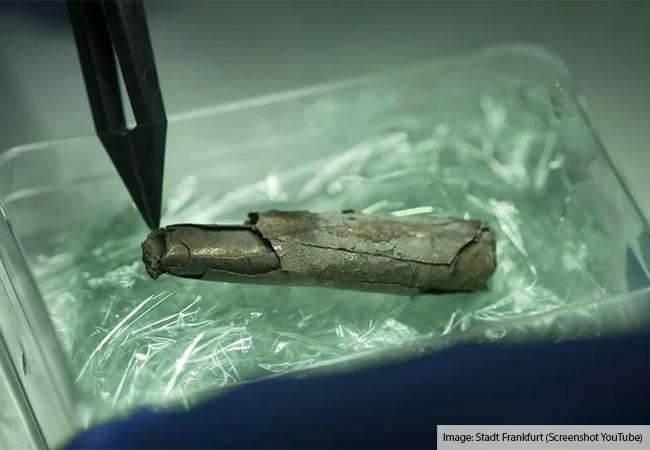
Implications Of The Frankfurt Silver Amulet: Insights Into Early Christian Practice And Belief
Posted by Luke J. Wilson on 6th January 2025 in Archaeology | amulet,liturgy,history,current events,early church
The discovery of an 1,800-year-old silver amulet in Frankfurt, Germany, has captured the attention of archaeologists and theologians alike. Known as the “Frankfurt Silver Inscription,” this artefact is the earliest known evidence of Christianity north of the Alps and serves as a great insight to early Christian theology and liturgical practice.
Its early date (230–270 AD) sets it apart from previously known artefacts, which are at least 50 years younger. While there are historical references to Christian communities in Gaul and Upper Germania during the late 2nd century, reliable material evidence of Christian life in the northern Alpine regions generally...
Powered by WebBoss.io 3.7.1
Copyright © 2026 The Sacred Faith: Timeless Truths for Modern Minds. All Rights Reserved.
