
Blog Search Results


Did you mean:
lord's prayer
?
134 results for Lord's Prayer
found
within the Blog
6 displayed out of 134 (1.23seconds)Page 19 of 23
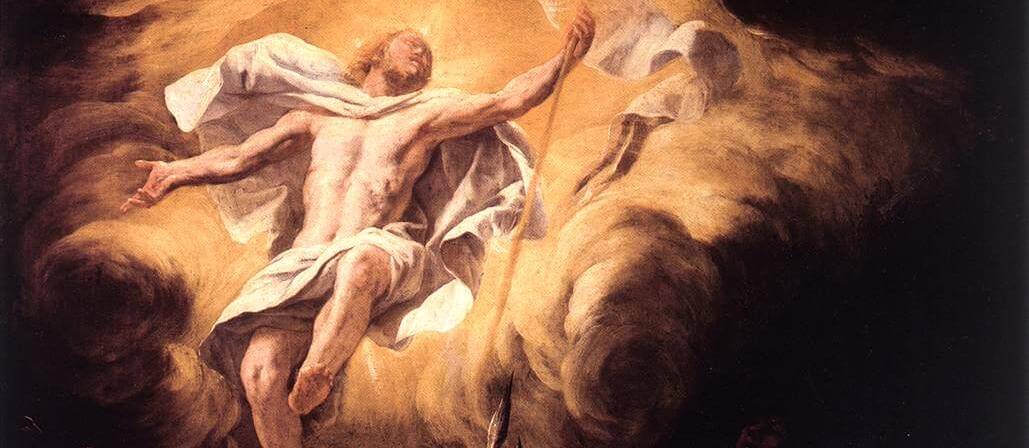
The Resurrection as a historical event
Posted by Luke J. Wilson on 29th April 2017 in Easter | resurrection,easter,apologetics,history,historical
Table of Contents
Jesus was raised bodily – and historically
The resurrection is what makes Christianity unique!
Evidence from Paul
The mystery of the resurrection
The nature of the resurrection
The resurrection is more than physical
What with Easter still ringing in our ears, I thought it would be a good time to revisit the topic of resurrection, but from a historical standpoint and why we can trust it as a real, world-changing event. So, what really is the resurrection? How will we be resurrected, and what does it mean for us that Jesus rose again? Let’s explore what this means for us as Christians, and see what the Scriptures say.
Jesus wa...
Jesus, Mithras and Ancient Roman Cults: Separating Fact from Fiction
Posted by Luke J. Wilson on 25th April 2023 in Mythology | Jesus,mithras,apologetics,roman gods,atheist
Welcome to the next instalment of my series looking at the ancient mythological gods and how they compare to the life, death and resurrection of Jesus. Mithras is yet another popular ancient god that people like to compare with Jesus and make wild claims about, proposing that they are the same deities with different names. But is this even remotely true?
This article has ended up being a bit longer than anticipated as it’s one of the few ancient religions that was contemporary to the birth of Christianity which was seen as somewhat of a rival belief system, so there’s a lot of interesting things to cover!
The Origins
Mithras has his roots in ancient Persi...
The Early Concept of the Trinity: Tracing the Roots
Posted by Luke J. Wilson on 16th November 2023 in Trinity | trinity,early church,early church fathers,tri-unity,triune God,godhead
The doctrine of the Trinity, which asserts the co-equality of the Father, Son, and Holy Spirit, has deep roots in the early Christian writings of the first three centuries. While the full articulation of the Trinity developed over time, culminating at the Council of Nicaea in the fourth century, references to the equality of these three persons can be traced back to influential documents and the teachings of early Church Fathers in the centuries leading up to this pivotal moment in Church History.
Early Church Beliefs and Teachings
One of the earliest Christian documents, the Didache, believed to have been written in the late first or early second century, pro...
Lent: Day 6 - Ignatius to the Magnesians
Posted by Luke J. Wilson on 7th March 2017 in Lent | Lent,great lent,fasting,early church fathers,devotional,daily reading,Ignatius,Ignatius of Antioch: Letter to the Magnesians
Day Six: St. Ignatius of Antioch: Letter to the Magnesians (full text)
Who: Ignatius converted at a young age and later became Bishop of Antioch. A friend of Polycarp and fellow disciple of John, there is a long standing tradition that Ignatius was the child that Jesus held in his arms and blessed in Mark 10:13-16
What: Ignatius urges the church to continue in unity, to honour their leadership and to avoid Judaizers who may try to bring false teaching. This letter also gives some valuable insight to early church hierarchy.
Why: Ignatius wrote a series of letters to the churches in Asia Minor whilst en route to Rome to face martyrdom by wild beasts in the Col...
Understanding The New Testament: Inspiration, Canonisation, And Historical Context
Posted by Luke J. Wilson on 23rd December 2023 in Early Church | Inspiration,Scripture,early church,early church fathers,islam,Bible
A common modern perception of the inspiration of Scripture often portrays it as a rigid, divine dictation of words from God to be written down verbatim. This perspective leads to concerns among some religious communities, such as Muslims, who view any alteration or addition to the text as a potential threat to the entire faith. The Islamic understanding of inspiration emphasises direct and unalterable divine dictation, contributing to their scepticism of multiple Bible translations, which they falsely label as “corruption”.
In contrast, the Biblical inspiration of the Scriptures has never been viewed as a literal divine dictation, as if the apostles were un...
Who was the real Santa Claus?
Posted by Luke J. Wilson on 17th December 2018 in Christmas | christmas,xmas,St Nicholas,early church,Nicea council,father Christmas,santa claus
It's that magical time of year when the lights go up, the trees get decorated and a familiar bearded man in a red suit pops up everywhere.
He goes by a few names: Santa Claus, Father Christmas, and Saint Nick.
But who was the real Santa Claus?
Well, to answer that, we need to go way back in history to the fourth century to a Bishop called Nicholas of Myra (present-day Demre, Turkey).
Memes abound about St Nicholas and Arius
Some early lists place him as one of the Bishops who attended the First Council of Nicaea in 325 AD, and there are some questionable legends which state that he was temporarily defrocked (removal from office) and imprisoned during...
Powered by WebBoss.io 3.7.1
Copyright © 2026 The Sacred Faith: Timeless Truths for Modern Minds. All Rights Reserved.
