
Blog Search Results


137 results for bad things
found
within the Blog
6 displayed out of 137 (0.27seconds)Page 19 of 23
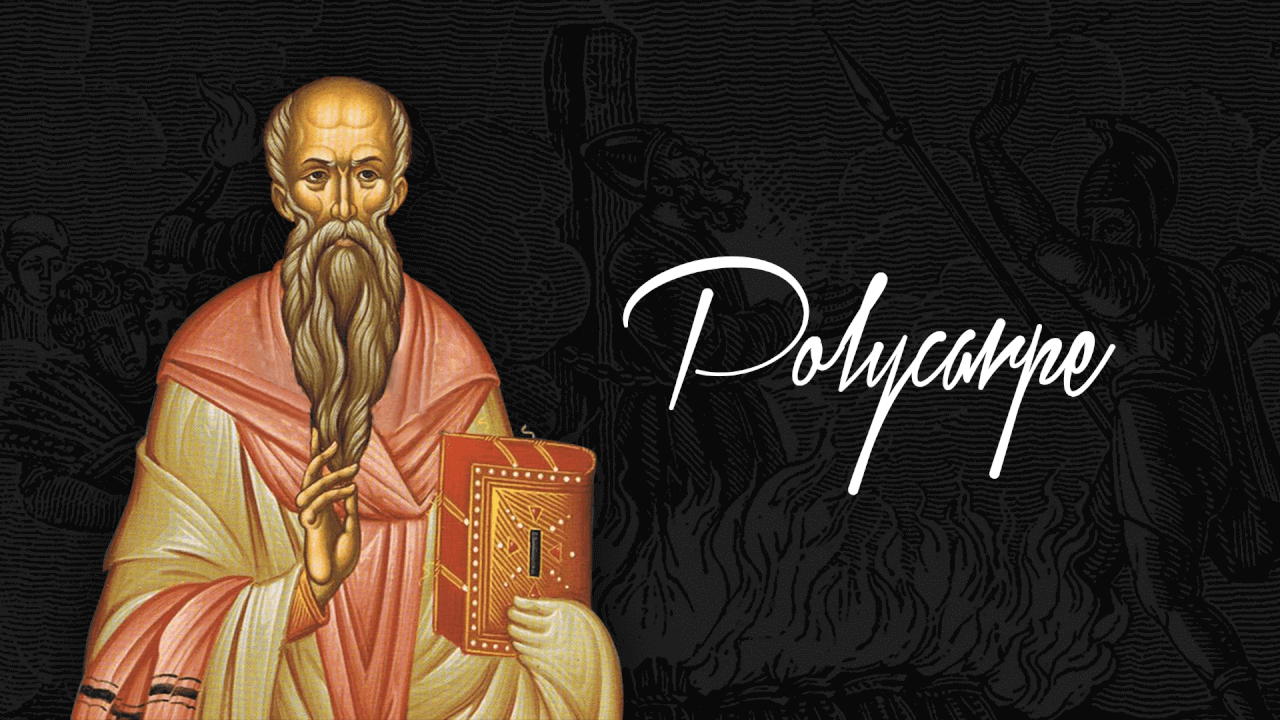
How Polycarp (And Others) Show The Early Use Of The New Testament
Posted by Luke J. Wilson on 21st November 2021 in Early Church | early church,early church fathers,polycarp,new testament,canon,biblical canon
Polycarp is one of the most important people in early church history. He was a disciple of John the Evangelist, and later became the bishop of Smyrna.
Polycarp was born around 69 A.D. in Smyrna, which is now modern-day Turkey. He grew up during a time when Christians were being persecuted for their beliefs, and he himself became a Christian at a young age. Polycarp is regarded as one of the earliest church fathers because he had a significant impact on Christianity as it spread throughout Asia Minor and Europe, and he also played an important role in shaping biblical canon for centuries to come.
We don’t know a great deal about his life, apart from t...
Is fasting an expectation for Christians?
Posted by Luke J. Wilson on 29th February 2020 in Fasting | fasting,Lent,Ash Wednesday,self control,self denial
The season of Lent is here once again which of course brings up the topic of fasting, since the tradition of Lent comes from following Jesus’ example of his time in the wilderness (Luke 4:1–2). I wasn’t planning on writing anything specific this year like I have previous in previous years, but I felt inspired today at church from one of Gospel readings:
Matthew 9:14–15
Then the disciples of John came to him, saying, “Why do we and the Pharisees fast often, but your disciples do not fast?” And Jesus said to them, “The wedding guests cannot mourn as long as the bridegroom is with them, can they? The days will come when the bridegroom is t...
Is there salvation for fallen angels?
Posted by Luke J. Wilson on 5th February 2018 in Angels | demons,demonology,fallen angels,salvation,reconcilliation,Christ,angels
I've seen and heard this question asked numerous times before, and I've even wondered it myself in my earlier years as a new Christian.
Is there salvation for angels and can demons go back to their previous, uncorrupted state?
2 Corinthians 11:14And no wonder! Even Satan disguises himself as an angel of light.
As far as scripture is concerned, Satan can pretend to be angelic for the sake of deceit, but that's about it. There's no mention of redemption for angels or demons — that's the long and short of it.
So let's explore four areas of Scripture to see what we do know.
#1 They have been imprisoned for judgement by God.
2 Peter 2:4For if God did...
On the Feast of the Nativity, a sermon by Leo the Great
Posted by Luke J. Wilson on 22nd December 2018 in Christmas | nativity,christmas,xmas,leo the great,sermon
In the days leading up to Christmas, I wanted to share a sermon from a man known as Leo the Great (aka Pope Leo I), who was a Pope from 440-61 AD. He was one of the most significant and important men in Christian antiquity, as he tried to combat the heresies which seriously threatened church unity in the West, such as Pelagianism. This sermon of his about the incarnation of Christ and what it means for us has always stuck with me since I first read it last April when writing my own book on the Early Church Fathers.
It's not that long, so take the time to read it through and let the words sink in as we prepare for Christmas to remember and celebrate the birth...
Will the Real Heretics Please Stand Up (Book Review)
Posted by Luke J. Wilson on 30th January 2019 in Book Review | book review,Francis chan,David Bercot,early church,five stars
Straight off, this book will challenge you in your thinking and quite possibly in your practice and outworking of life as a Christian—especially if you are from an evangelical/Baptist/non-denominational background.
Will the Real HereticsPlease Stand Up
The book starts of taking you carefully through some of the practices and beliefs of the early church and those who knew the Apostles personally. It all feels very hopeful and like you're being led onward in a journey towards a certain goal, much of which I'm sure you'll find agreeable in what Bercot points out as discrepancies between early Christianity and today.
Then we get to a few points about the Re...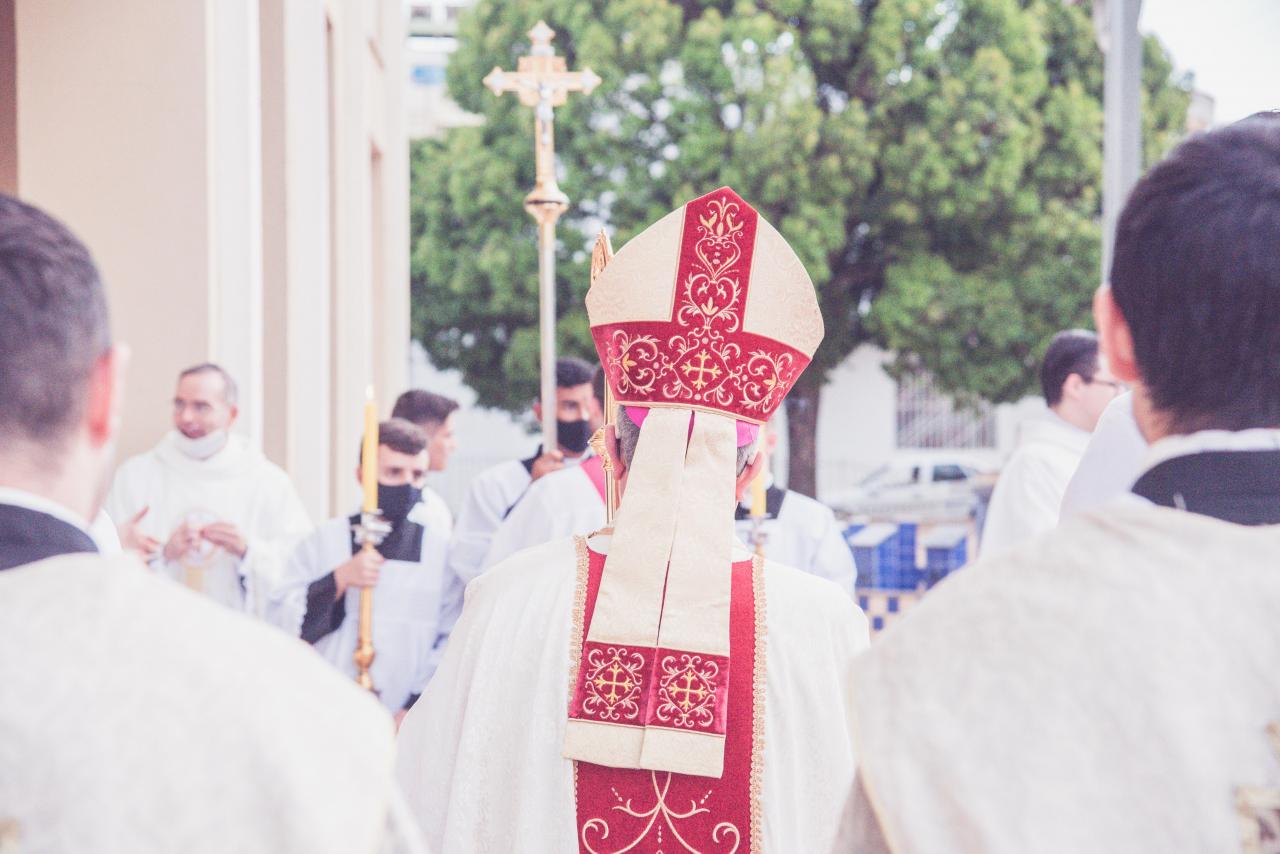
What does the word "Catholic" mean?
Posted by Luke J. Wilson on 8th March 2021 in Etymology | catholic,church fathers,church history,etymology,roman catholic,eastern orthodox,Great Schism,Muratorian Fragment
For many people today, non-Christians and (low church) Christians alike, when they hear the word “Catholic”, certain images spring to mind: the Pope, the rosery, Catholic school, big old churches buildings, choirboys, maybe monks or statues of Mary even; and sadly more recently, sex abuse scandals.
But, generally speaking, all of these are actually aspects of Roman Catholicism — a particular branch of Christianity, and not what the word “catholic” truly means as we’ll see when examining how the early church used the word and what the original Greek word means.
καθολικός (katholikos)
The Greek word where we get the English word “c...
Powered by WebBoss.io 3.7.1
Copyright © 2026 The Sacred Faith: Timeless Truths for Modern Minds. All Rights Reserved.
