
Blog Search Results


122 results for christian meditation
found
within the Blog
6 displayed out of 122 (0.81seconds)Page 19 of 21

Is The Rapture Biblical?
Posted by Luke J. Wilson on 21st September 2020 in Eschatology | rapture,the rapture in the bible,scriptures on the rapture,N.T. Wright,john chrysostom,church fathers,church history,signs of the rapture,Coming of Christ
Most people have some idea about what the rapture is – or do they? Generally there is an idea or concept of a form of escapism from the world when Jesus returns, which happens pre, mid or post tribulation and in some connection to the millenium. Now, if you understood any of those terms, you are most likely on, or aware of, the Dispensationalism side of things.
There’s a lot of doctrine all bundled together in “end times” beliefs, and a fair bit of speculation around “the rapture” with its timing and logistics etc. which makes the whole thing a but murky, but nonetheless, it’s pretty much taken for granted as a staple belief within the Evangelical...
Unveiling the Trinity: Exploring the Nature of Jesus and the Incarnation
Posted by Luke J. Wilson on 4th November 2023 in Trinity | trinity,incarnation,two powers in heaven
I recently received a question about the nature of Jesus and the incarnation, which delves into the mystery of the Trinity:
"Sorry to trouble you, but I have only one question: Is God the Father and Jesus His Son the same, God Himself in the flesh when He walked the earth? I am still struggling with this concept. When Jesus asked His Father, was He essentially talking to Himself?"
Thanks so much for the question, and it is a good question when asked genuinely. It is obviously a very deep and complex topic that covers a lot of Scripture (and history) to fully make sense of, but I’ll try and keep this brief to cover the key points.
To gain a better unders...
Melchizedek to Jesus: The Divine Thread of Bread and Wine
Posted by Luke J. Wilson on 27th June 2024 in Eucharist | eucharist,Melchizedek,bread of life
This past Sunday at church, we were looking at Genesis 14 in the sermon. There’s a lot going on in this chapter with nine different kings all at war fighting one another, and Abram and Lot somehow mixed up in the middle of it (this is before Abram is renamed to Abraham). Sodom gets invaded, Lot gets taken captive (along with everyone else) and then Abram mounts a daring rescue with 318 of his men! It’s really quite action-packed for such a short chapter. I don’t know about you, but I always think of Abraham as this kindly old man, not some tribal warrior ready to go all “Taken” on his enemies (Gen 14:14–16).
Abraham, probably
It’s in the mids...
Why Read The Early Church Fathers?
Posted by Luke J. Wilson on 8th December 2017 in Early Church | church history,daily devotional,daily reading,early church,early church fathers,new book,amazon
Why read the Early Church Fathers?
Maybe for some of you reading this, the question might better be phrased as: who are the Church Fathers?
No doubt you will be familiar with some of their names: Augustine, Jerome, Clement, Ignatius, Polycarp, Justin Martyr et al. You may have even read portions or quotes by some of these men. But that still doesn't really explain to you who they are and why you should care, much less actually read any of their works.
My new book deals with a selection of some of the most influential Early Church Fathers, sometimes also referred to as the Apostolic Fathers (if they lived between AD 70-150), or collectively as the Ante Nicene...
What is Monarchical Trinitarianism?
Posted by Luke J. Wilson on 21st July 2024 in Trinity | trinity,monarchy of the Father,Monarchical Trinitarianism,church fathers,church history
Monarchical Trinitarianism, also referred to as the “Monarchy of the Father,” is a theological perspective that asserts the Father as the sole source (or monarch) within the Trinity. This view maintains a clear distinction of roles among the Father, the Son, and the Holy Spirit while upholding their unity in essence. It is essential to distinguish this from Monarchianism, a heretical belief condemned in the 4th century, which posited that God is a single person rather than three distinct persons.
The Eternal Begottenness of the Son
The term “created” used by the early pre-Nicene Fathers does not align with the Arian view, which posits that the Son was...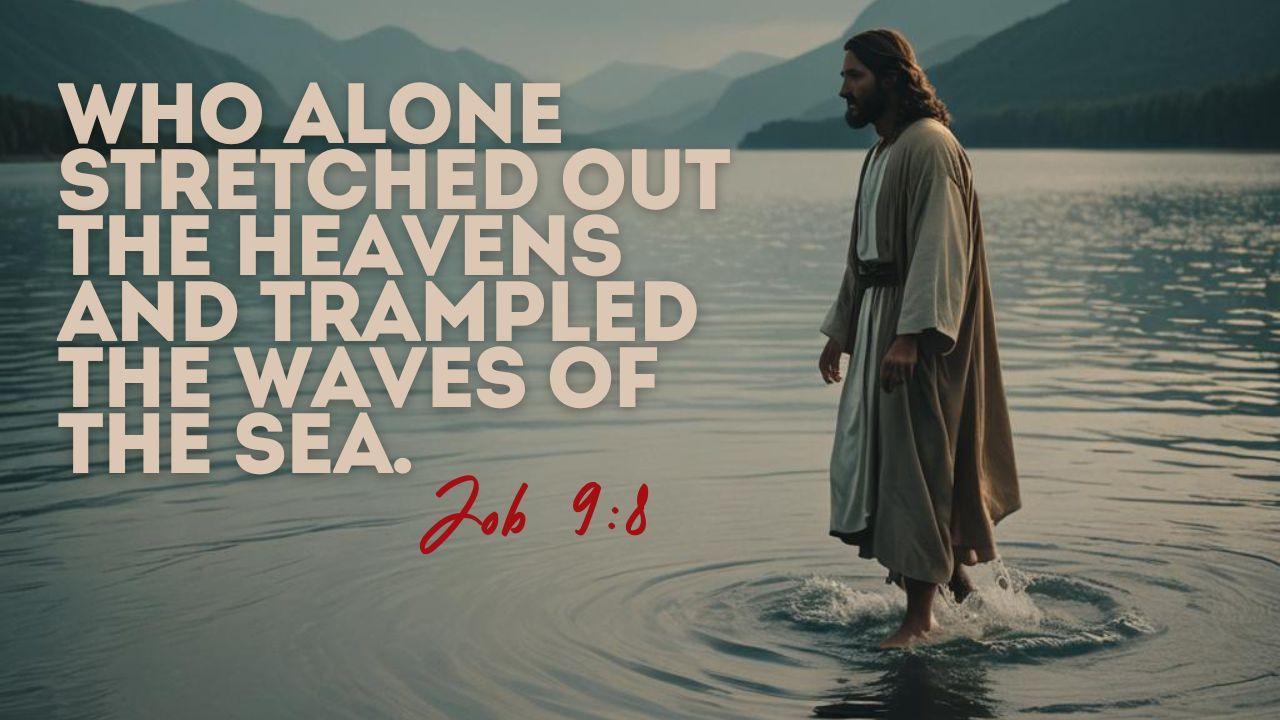
Jesus, Yahweh, And The Power Over The Storm
Posted by Luke J. Wilson on 29th July 2024 in Deity of Christ | Jesus,deity of christ,Yahweh,old testament,elements
Critics of christianity will often make the claim that Jesus never said he was God or divine in the Gospels. The problem comes when they set unrealistic demands and expectations, like wanting a chapter and verse where Jesus says, “I am God, worship me”. But this isn’t how the Bible works and definitely not how Jesus went about his ministry.
Throughout the Gospels, there are clear connections that reveal the true nature of Jesus in ways that would have been obvious to the Jewish people and leaders of his day who were very familiar with the Torah and other Scriptures we now call the Old Testament. One of the most striking examples is His demonstration of po...
Powered by WebBoss.io 3.7.1
Copyright © 2026 The Sacred Faith: Timeless Truths for Modern Minds. All Rights Reserved.
