
Blog Search Results


10 results for anglican
found
within the Blog
4 displayed out of 10 (0.02seconds)Page 2 of 2

Lent Day 30: Cyril of Jerusalem: Catechetical Lectures: Lecture XIX
Posted by Luke J. Wilson on 4th April 2017 in Lent | Lent,great lent,fasting,early church fathers,devotional,daily reading,Doctor of the Church,lectures,liturgy,catechism,Bishop of Jerusalem
Day Thirty: St. Cyril of Jerusalem: Catechetical Lectures: Lecture XIX
Who: Bishop of Jerusalem and Doctor of the Church, born about 315; died probably 18 March, 386. Little is known of his life, except from his younger contemporaries, Epiphanius, Jerome, and Rufinus, as well as from the fifth-century historians, Socrates, Sozomen and Theodoret.
What: Each of the lectures deal with a different topic to teach converts the mysteries of the Church, particularly: rites of the renunciation of Satan and his works, of anointing with oil, of baptism, of anointing with the holy chrism, and of partaking of the body and blood of Christ.
Why: Cyril delivered to new conve...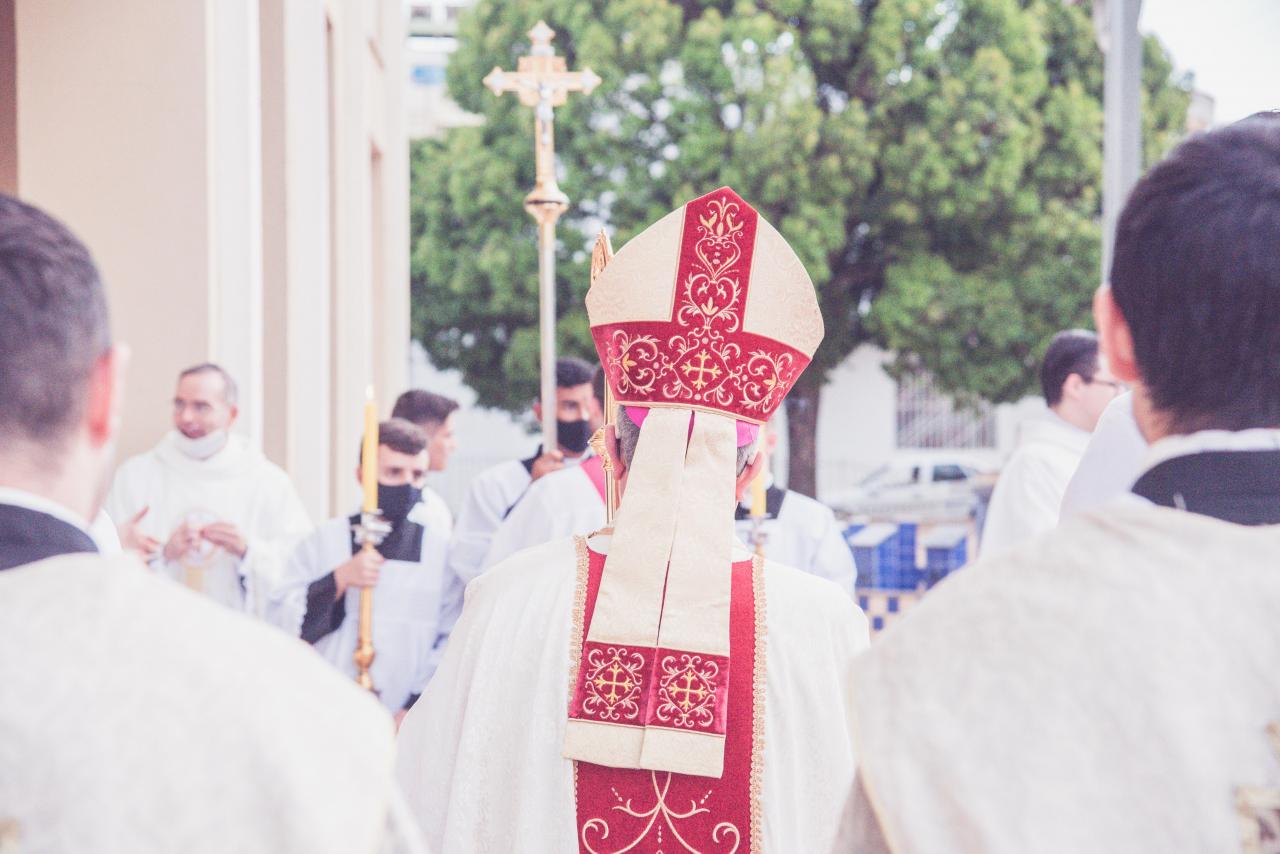
What does the word "Catholic" mean?
Posted by Luke J. Wilson on 8th March 2021 in Etymology | catholic,church fathers,church history,etymology,roman catholic,eastern orthodox,Great Schism,Muratorian Fragment
For many people today, non-Christians and (low church) Christians alike, when they hear the word “Catholic”, certain images spring to mind: the Pope, the rosery, Catholic school, big old churches buildings, choirboys, maybe monks or statues of Mary even; and sadly more recently, sex abuse scandals.
But, generally speaking, all of these are actually aspects of Roman Catholicism — a particular branch of Christianity, and not what the word “catholic” truly means as we’ll see when examining how the early church used the word and what the original Greek word means.
καθολικός (katholikos)
The Greek word where we get the English word “c...
What is Advent?
Posted by Luke J. Wilson on 1st December 2023 in Christmas | Advent,christmas,second coming,parousia
It’s that time of year when Christmas lights and decorations go up, things start to look a little more sparkly, and kids are getting ready to open their Advent Calendars.
But what exactly is “Advent”? You may be from a Church tradition which recognises this each year so are more familiar, but if not, you may be curious to know more about this ancient Christian tradition.
Advent, derived from the Latin “adventus,” signifying “coming” or “arrival,” stands as a sacred season deeply entrenched in the hearts of many Christians globally. This period of expectant waiting and preparation marks the initiation of the liturgical year in Western Christia...
Great is the Mystery of Faith!
Posted by Luke J. Wilson on 17th September 2022 in Early Church | Melito of Sardis,Faith,mysteries,church fathers,early church fathers,Quotes,fragment
A little while ago, I came across a quote on Facebook by a guy called Melito of Sardis.
St. Melito of Sardis
Melito was bishop of the church in Sardis (modern-day Sart), a city of Asia Minor near Smyrna (modern-day Izmir, Turkey), and lived between 160-170/177 AD until he was martyred, possibly under the reign of Marcus Aurelius. Due to the close proximity of locations, he may also have known Ignatius who was also from Asia Minor, and potentially was also an acquaintance of Polycarp and his disciple, Irenaeus. There’s also the thought that he may have been the successor to the leader of the church in Sardis, which is mentioned by the Apostle John in Re...
Powered by WebBoss.io 3.7.1
Copyright © 2026 The Sacred Faith: Timeless Truths for Modern Minds. All Rights Reserved.
