
Blog Search Results


62 results for lent
found
within the Blog
6 displayed out of 62 (0.03seconds)Page 2 of 11
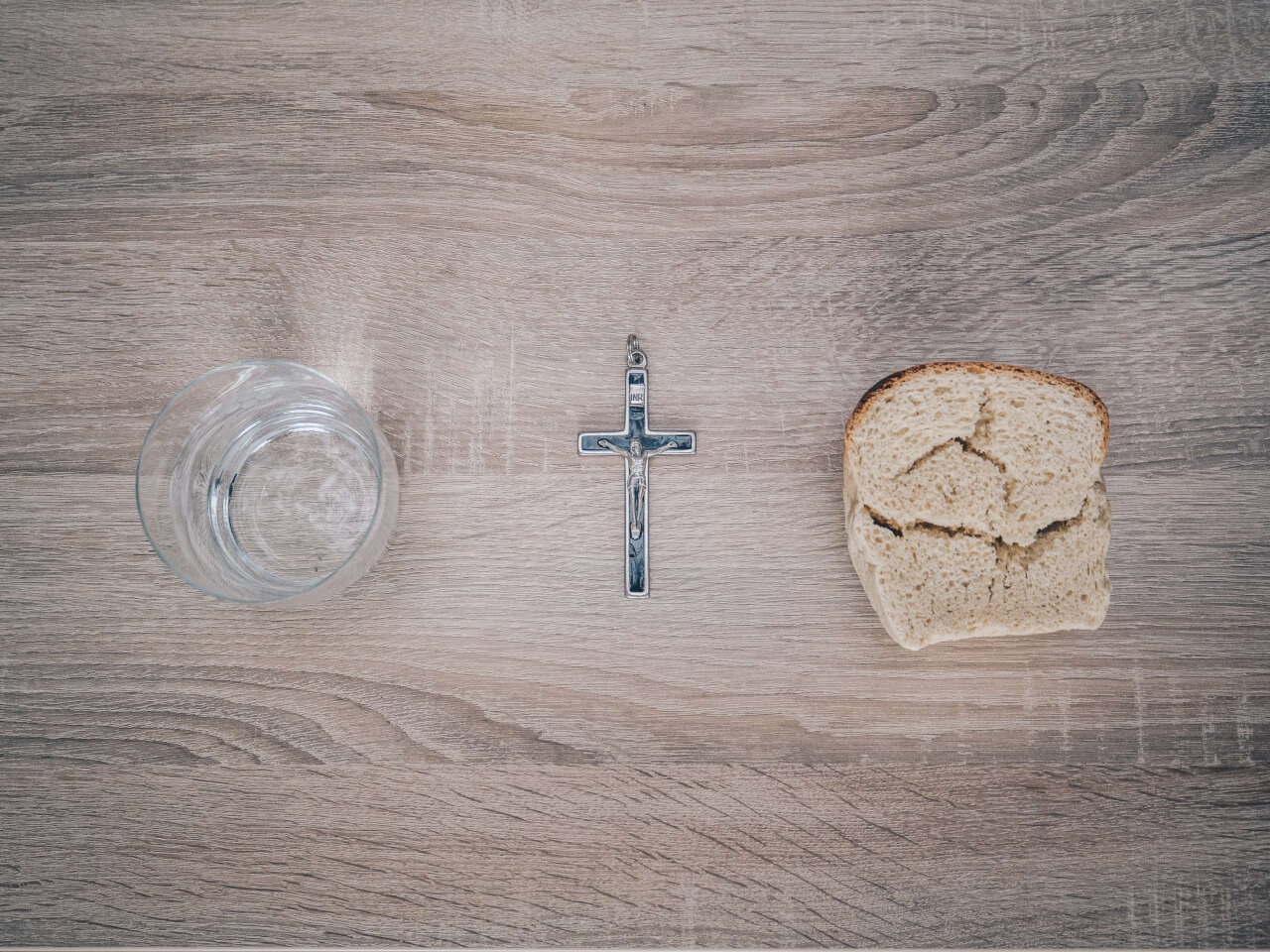
Fasting: A spiritual and physical discipline
Posted by Luke J. Wilson on 27th May 2019 in Fasting | fasting,didache,discipline,self control,lent,early church,early church fathers
...tc., but plenty of water is ideal in any case.
The first five days or so will be the hardest if you observe the strict fast for a longer period of time. Persevere past this as it does get easier! I've always been told to drink a large glass of milk if you experience headaches, I'm not sure why this helps but it does seem to!
It’s not a sin to tell people you are fasting! The warnings of Jesus in Matt 6:16 about not looking dismal and sad, is like the warnings against public prayer – it’s all down to motivation. If you do it for the praise of others, or to look “super spiritual” then you have gained an earthly reward and lost a heavenly one. If people...
Does Easter Have Pagan Origins?
Posted by Luke J. Wilson on 22nd March 2021 in Easter | Easter,easter sunday,early church,church history,paganism,pagan roots,Ishtar,Eostre,fertility goddess
...Much like any major Christian holiday, there are the usual arguments and accusations about how it’s all just pagan festivities with a “Christian mask”. Easter is no different, and usually gets hit the hardest over its so-called “pagan roots”, or in the month or so preceding it, lent being some “invention of the Catholic Church”.
Table of Contents
The lenten Fast
The Easter controversy and why we celebrate it when we do
Is the Name “Easter” really the Anglo-Saxon goddess Eostre?
Chocolate eggs and bunnies?
Concluding Thoughts
Further Reading and Sources
I like to try and observe lent, as it is one of the most ancient custom...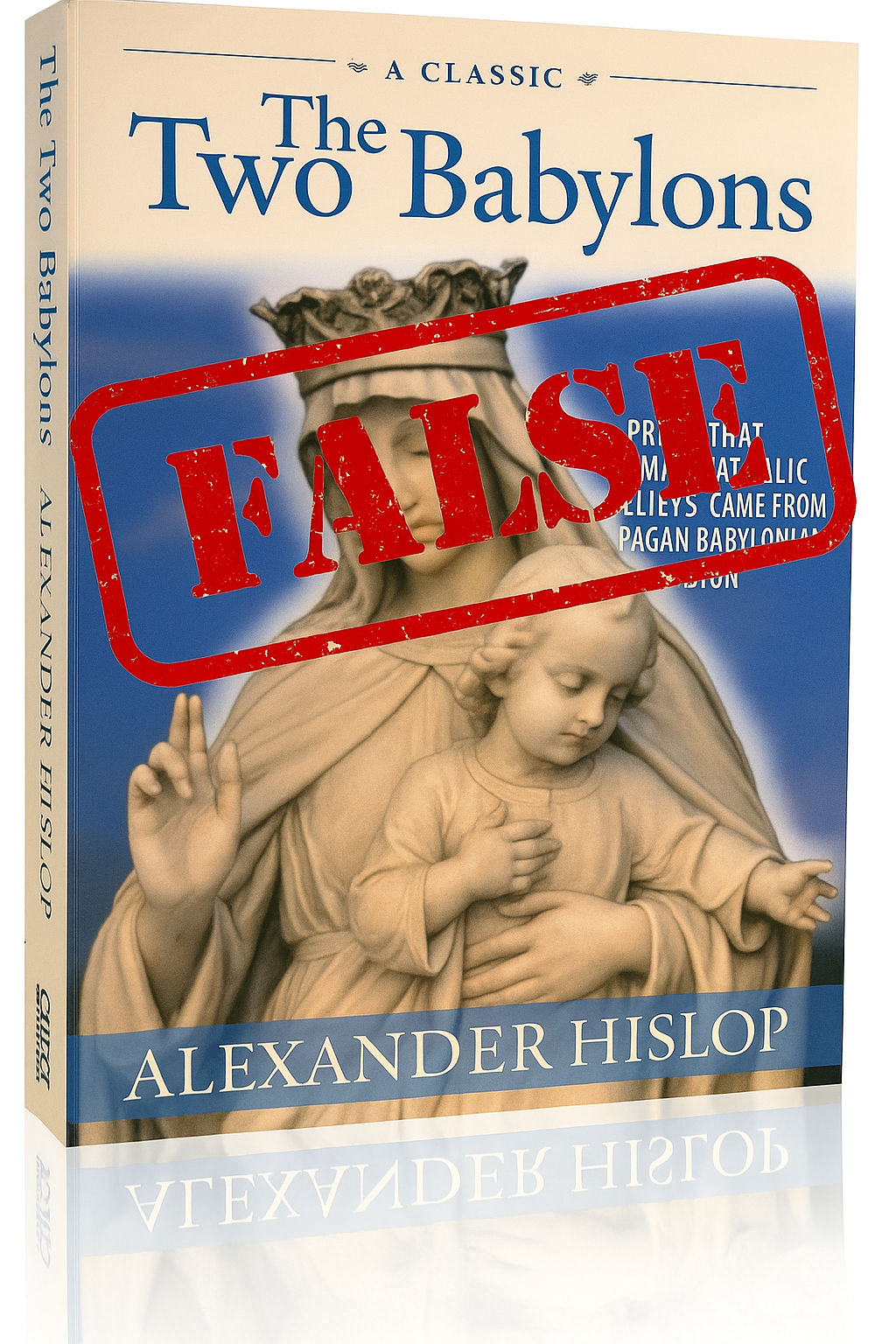
The Two Babylons Exposed: The Book That Misled Millions
Posted by Luke J. Wilson on 21st April 2025 in Easter |
...Over the years, I’ve encountered many Christians who’ve quoted from Alexander Hislop’s The Two Babylons as if it were a solid historical resource. The book claims that the Roman Catholic Church is not truly Christian but rather a continuation of ancient Babylonian religion. It’s self-assured and sweeping, and for many people, it seems to explain everything, from Marian devotion to lent and Easter, to Christmas, as rooted in paganism. But is it accurate?
In short: no, it really isn’t.
Hislop’s work is a classic example of 19th-century pseudohistory — a polemical piece, written to prove a point, not to explore any historical truth.
Flawed Meth...
lent Day 38: Leo the Great: Sermon XXI (On the Nativity Feast I)
Posted by Luke J. Wilson on 13th April 2017 in lent | lent,great lent,fasting,early church fathers,devotional,daily reading,Doctor of the Church,lectures,Leo the Great,St Leo,hypostatic union,deity of christ,Pope Leo I,christology,sermon
...189 here: lentfatherscomplete.pdf
Today's reading is a Christmas sermon from Pope Leo I. This may seem totally out of place during lent and you may be wondering why this was included, but there is some sense and logic going on here! This reading marks the beginning of the final three days of lent, and the topics covered all work together in the build up to the glorious resurrection of Christ.
This sermon reading deals with the first coming of our Lord as a baby, the mighty Word of God incarnated as a small and fragile child to save the world. Tomorrow’s sermon goes over aspects of lent itself, in which we celebrate and remember the life and ministry of J...
lent Day 40: Leo the Great: Sermon LXXII: ON THE LORD'S RESURRECTION, II
Posted by Luke J. Wilson on 15th April 2017 in lent | lent,great lent,fasting,early church fathers,devotional,daily reading,Doctor of the Church,lectures,Leo the Great,St Leo,Pope Leo I,sermon,resurrection,easter,easter sunday
...195 here: lentfatherscomplete.pdf
Here we are, at the final day of lent. I hope you've found it an interesting journey through Church History, covering various authors and topics from the first four centuries of the Church. And what better way to end this series than with a sermon on the resurrection!
“The whole of the Easter mystery, dearly-beloved, has been brought before us in the Gospel narrative”, Leo declares as the opening statement of this sermon.
What is this Easter mystery? “The cross of Christ, which was set up for the salvation of mortals” which is both a “mystery and an example” for us to follow. It's “a sacrament where by the...
lent Day 35: Ambrose of Milan: Concerning the Mysteries: 1-4
Posted by Luke J. Wilson on 10th April 2017 in lent | lent,great lent,fasting,early church fathers,devotional,daily reading,Doctor of the Church,lectures,liturgy,catechism,Eucharist,Bishop of Milan,St Ambrose,mysteries,treatise
...167 here: lentfatherscomplete.pdf
This is another similar lecture to the catechisms we read over the last few days from Cyril of Jerusalem, except these are by the Bishop of Milan: Ambrose. Taught during this season of lent, the latter part of the 40 days is when the mysteries were explained. It was only after baptism that it was considered the acceptable time to teach these things though, otherwise it was considered to have “betrayed than to have portrayed the Mysteries”.
Open, then, your ears, inhale the good savour of eternal life which has been breathed upon you by the grace of the sacraments
After the deacons have said the above, the followin...
Powered by WebBoss.io 3.7.1
Copyright © 2026 The Sacred Faith: Timeless Truths for Modern Minds. All Rights Reserved.
