
Blog Search Results


11 results for temptation
found
within the Blog
5 displayed out of 11 (0.02seconds)Page 2 of 2
Lent Day 20: Cyprian: On the Unity of the Church: 19-27
Posted by Luke J. Wilson on 23rd March 2017 in Lent | Lent,great lent,fasting,early church fathers,devotional,daily reading,Cyprian,Bishop of Carthage,unity
...ipline or temptation, then you can repent and be forgiven, but the intentional heretics risk unforgiveness and their souls; hence why it is written, he says, “hold fast to what you have, so that no one may seize your crown” (Rev 3:11).
Speaking more about the crowns we attain, Cyprian delves into confessing sins and how that the mere act of confession doesn’t save us or give us the “full desert of the crown”, but “it initiates our dignity” which is why Jesus said, “the one who endures to the end will be saved” (Matt 24:13). Everything we do and say during our Christian walk in this life is a “step by which we ascend to the summit of salvatio...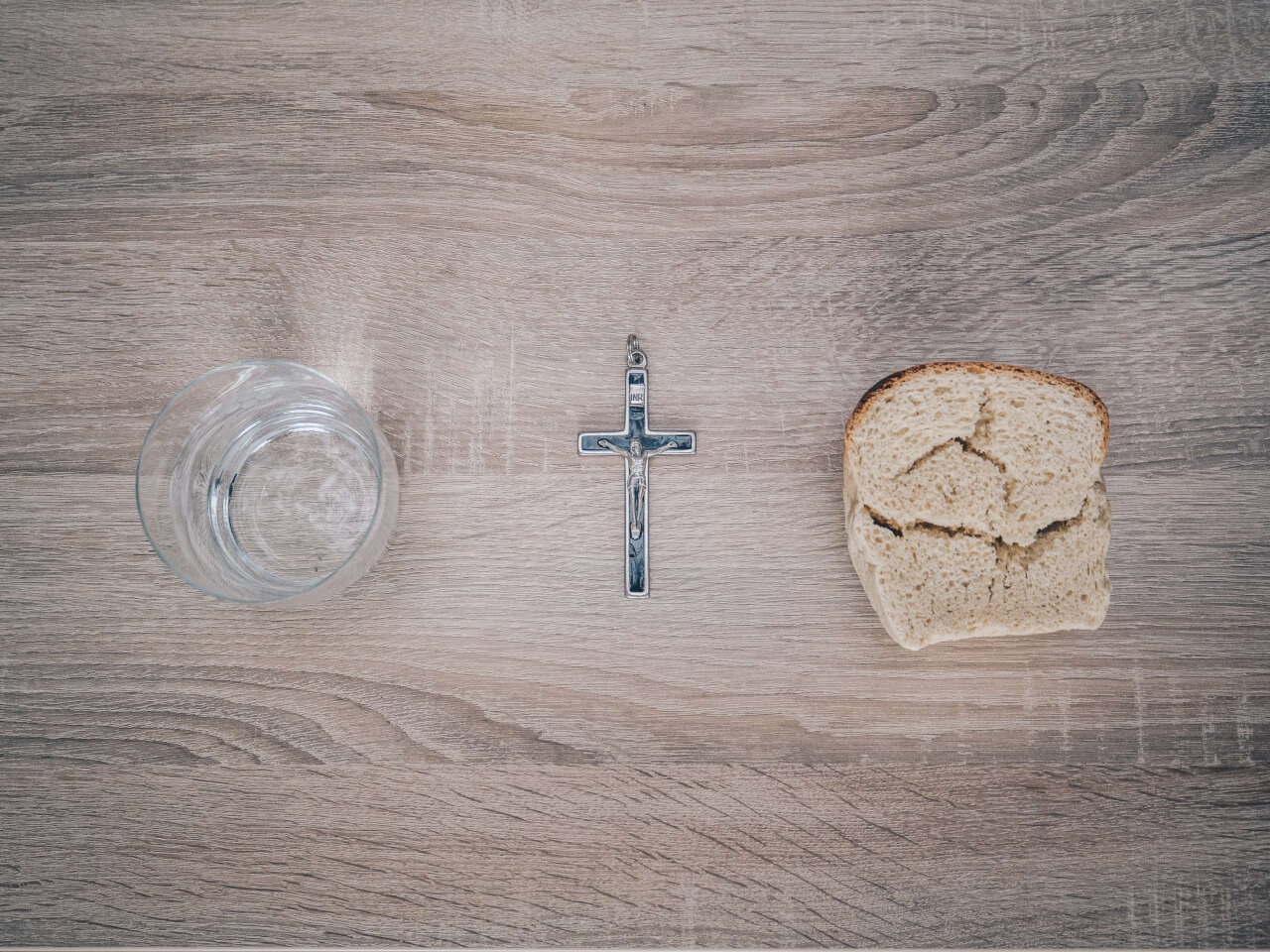
Fasting: A spiritual and physical discipline
Posted by Luke J. Wilson on 27th May 2019 in Fasting | fasting,didache,discipline,self control,Lent,early church,early church fathers
...overcome temptations and learn discipline (1 Peter 5:8).
For repentance.
For prayers for your enemies/persecutors and forgiveness.(For a more in-depth examination of early Christian thought on fasting and the reasons for doing so, see here: Fasting through patristic era.)
Some Fasting Guidelines
If you want to fast in the same way as the Early Church and keep with historical Christianity, fast every day until sunset (or 3pm) during your fasting period. Historically also, the Church has always had a weekly partial fast on Wednesdays and Fridays alongside other times (such as Lent).
Generally, you can drink what you like (except soup, as it’s still a f...
Great Lent: The Season of Fasting
Posted by Luke J. Wilson on 13th February 2016 in Lent | Lent,Easter,Fasting,Prayer,early church,early church fathers,paganism,pagan roots
...overcome temptations and learn discipline.
For repentance.
For prayers for your enemies/persecutors and forgiveness.(See a more in-depth examination of early Christian thought on fasting and the reasons for doing so here: Fasting through patristic era.)
Some Fasting Guidelines
If you want to fast in the same way as the Early Church and keep with historical Christianity, fast every day until sunset (or 3pm) during your fasting period. Historically also, the Church has always had a weekly partial fast on Wednesdays and Fridays alongside other times (such as Lent).
Generally, you can drink what you like (except soup, as it’s still a food), though there...
David, Saul, And How We Respond To Broken Leadership
Posted by Luke J. Wilson on 5th May 2025 in Politics | politics,protest,nonviolence,old testament,SWYM
...tice. The temptation is often to respond with anger, hatred, or violence. Sometimes, people do, as we’ve seen in recent news.
(2 May) Big crowds turned out to mark May Day in Paris, where protestors wearing black masks targeted Socialist figures. | Source: Yahoo News
But David (and later Jesus) demonstrate to us a different way.
In a time when activism and political outrage are common, Christians (both young and old) are called to something deeper:
To recognise that human leaders will fail — even those God appoints.
To stand for justice without hatred — interrupting injustice without mirroring it.
To practice nonviolent resistance ...
Was Jesus worshipped in the New Testament?
Posted by Luke J. Wilson on 14th November 2023 in Worship | jesus,incarnation,worship,muslim,islam,islam vs christianity,Pliny the Younger
...Often a claim from critics of the faith, and especially Muslims arguing against Christianity, is that Jesus wasn't thought of as God early on and more to the point, wasn't ever worshipped in the accounts of the New Testament.
This is a very cursory look at a few places within the Gospels where Jesus was clearly worshipped, either by his followers or others he encountered, and didn't rebuke or correct people for doing something wrong.
Worshiping Jesus:
1. Matthew 14:33 - The Proclamation of Divinity
And those in the boat worshiped him, saying, “Truly you are the Son of God.”
In the aftermath of a storm on the Lake of Galilee which Jesus calmed with a...
Powered by WebBoss.io 3.7.1
Copyright © 2026 The Sacred Faith: Timeless Truths for Modern Minds. All Rights Reserved.
