
Blog Search Results


11 results for wilderness
found
within the Blog
5 displayed out of 11 (0.02seconds)Page 2 of 2

The Temptations of Jesus: Worship and Glory
Posted by Luke J. Wilson on 25th February 2018 in Lent | temptation,wilderness,desert,worship,glory,devil,satan,forty days,lent
Here we are on the second Sunday of Lent, and this week I am looking at the next temptation Jesus faced in the desert against the devil, the one of worship and glory.
Let's take a look at the text:
Luke 4:5-8
Then the devil led him up and showed him in an instant all the kingdoms of the world. And the devil said to him, “To you I will give their glory and all this authority; for it has been given over to me, and I give it to anyone I please. If you, then, will worship me, it will all be yours.” Jesus answered him, “It is written,
‘Worship the Lord your God,
and serve only him.’” (cf. Matthew 4:8-10)
Last week we saw how Satan temp...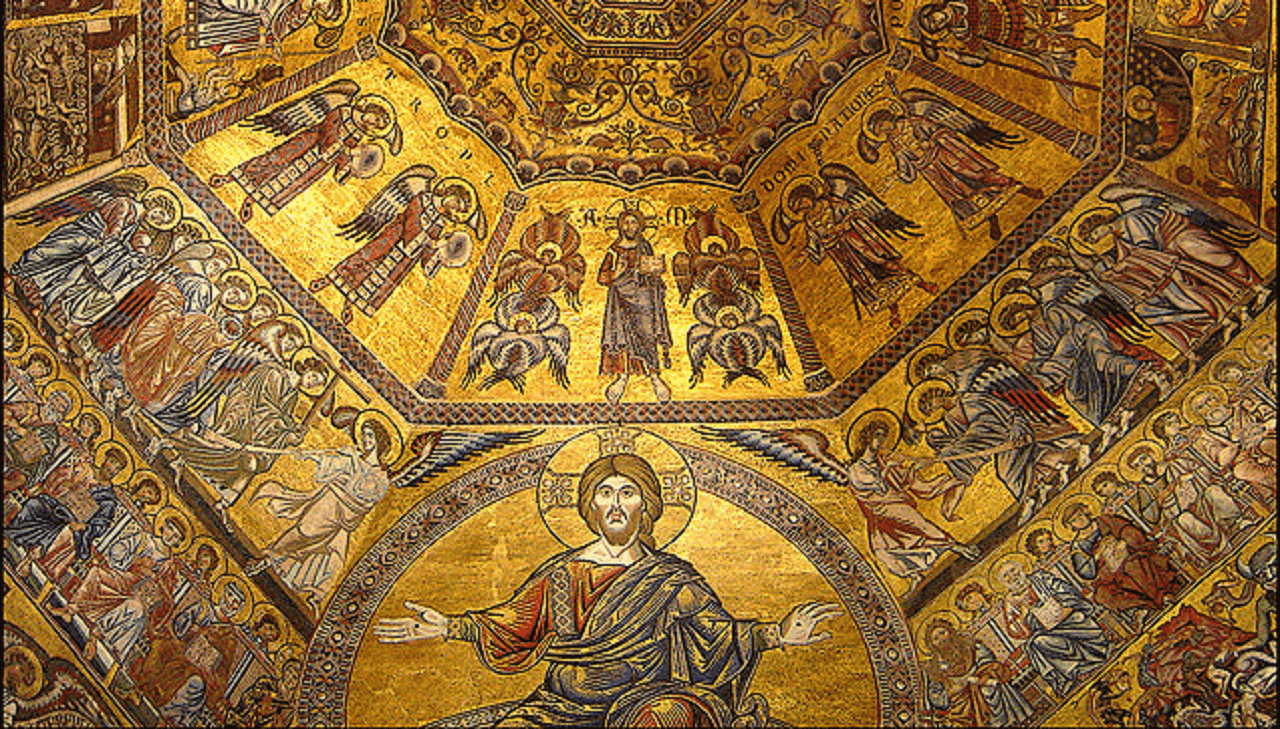
What are the Seraphim, and was the devil one of them?
Posted by Luke J. Wilson on 23rd April 2020 in Angels | devil,satan,angels,seraphim,heaven
...ed in the wilderness (Matt 4:8).
Concluding Thoughts
While we won’t ever fully know what the devil is or was, the allusions and inferences throughout Scripture show that he was a heavenly being of some sort who was cast down to the earth.
Whatever the true form of the devil, the Apostles give us enough warning to know we have an enemy who hates the children of God and wants to devour them (1 Peter 5:8), and that he is deceptive and can disguise himself as “an angel of light” to trick us (2 Cor 11:14). John gives us a method of “means testing” the spiritual at least so we have tools at our disposal.
1 John 4:2–3By this you know the Spirit of God:...
From Dust to Redemption: The Meaning of Ash Wednesday
Posted by Luke J. Wilson on 5th March 2025 in Lent |
...ys in the wilderness (Matthew 4:1–2) and was intended to prepare believers spiritually for the Passion and Resurrection of Christ.
Athanasius, the great bishop of Alexandria, regularly wrote paschal (Easter) letters to the churches to encourage fasting, self-control, and moderation during this period. His writings provide valuable insight into how Lent was observed in the early Church and confirm that the practice was well established long before later claims that it had pagan origins. In one of his letters, written around AD 332, he describes the structure of the Lenten fast:
The beginning of the fast of forty days is on the fifth of the month Phamenoth [As...
The Temptations of Jesus: Complacency
Posted by Luke J. Wilson on 11th March 2018 in Lent | temptation,wilderness,lent,devil,satan,angels
...So now we are at the end of the temptations that Jesus endured in the desert, and I wanted to look at what happens at the end. So often I think this aspect is overlooked when we read of this time in Scripture. Let’s take a look at the text:
Matthew 4:11Then the devil left him, and suddenly angels came and waited on him.
Luke 4:13When the devil had finished every test, he departed from him until an opportune time.
The two Gospel accounts both give us a varying perspective with different details. Afterwards, the devil leaves and angels “suddenly” come. This is almost a temptation in itself; one to think we are all good and safe now we've won the battl...
The Two Babylons Exposed: The Book That Misled Millions
Posted by Luke J. Wilson on 21st April 2025 in Easter |
...ys in the wilderness, Moses’ fast on Sinai, and Elijah’s journey to Horeb. Church Fathers like Irenaeus and Athanasius saw it as a time for self-denial and spiritual renewal — not mourning a pagan god.
Yes, there are pagan festivals that involve seasonal death and rebirth stories. But similarity does not mean origin. If that logic held, then even Jesus’ resurrection would be suspect because pagan cultures also told resurrection-like stories. Yet the gospel stands apart — not because of myth but because of history and revelation.
Why Hislop’s Work Persists
Even though The Two Babylons is poor scholarship, it’s unfortunately had a long sh...
Powered by WebBoss.io 3.7.1
Copyright © 2026 The Sacred Faith: Timeless Truths for Modern Minds. All Rights Reserved.
