
Blog Search Results


145 results for new logo
found
within the Blog
6 displayed out of 145 (0.26seconds)Page 20 of 25

Lent Day 31: Cyril of Jerusalem: Catechetical Lectures: Lecture XX
Posted by Luke J. Wilson on 5th April 2017 in Lent | Lent,great lent,fasting,early church fathers,devotional,daily reading,Doctor of the Church,lectures,liturgy,catechism,Bishop of Jerusalem,baptism
Day Thirty-one: St. Cyril of Jerusalem: Catechetical Lectures: Lecture XX
Who: Bishop of Jerusalem and Doctor of the Church, born about 315; died probably 18 March, 386. Little is known of his life, except from his younger contemporaries, Epiphanius, Jerome, and Rufinus, as well as from the fifth-century historians, Socrates, Sozomen and Theodoret.
What: Each of the lectures deal with a different topic to teach converts the mysteries of the Church, particularly: rites of the renunciation of Satan and his works, of anointing with oil, of baptism, of anointing with the holy chrism, and of partaking of the body and blood of Christ.
Why: Cyril delivered to new co...
Lent Day 36: Ambrose of Milan: Concerning the Mysteries: 5-9
Posted by Luke J. Wilson on 11th April 2017 in Lent | Lent,great lent,fasting,early church fathers,devotional,daily reading,Doctor of the Church,lectures,liturgy,catechism,Eucharist,Bishop of Milan,St Ambrose,mysteries,treatise,baptism,transubstantiation,real presence
Day Thirty-six: St. Ambrose of Milan: Concerning the Mysteries: 5-9
Who: Bishop of Milan from 374 to 397; born probably 340, at Trier, Arles, or Lyons; died 4 April, 397. He was one of the most illustrious Fathers and Doctors of the Church.
What: The treatise was composed for use during the latter part of Lent, for the benefit of those about to be baptised, the rites and meaning of that Sacrament, as well as of Confirmation and the Holy Eucharist. For all these matters were treated with the greatest reserve in the Early Church, for fear of being misused by unbelievers.
Why: Ambrose states that after the explanations he has already given of holy living (in pre...
Lent Day 35: Ambrose of Milan: Concerning the Mysteries: 1-4
Posted by Luke J. Wilson on 10th April 2017 in Lent | Lent,great lent,fasting,early church fathers,devotional,daily reading,Doctor of the Church,lectures,liturgy,catechism,Eucharist,Bishop of Milan,St Ambrose,mysteries,treatise
Day Thirty-five: St. Ambrose of Milan: Concerning the Mysteries: 1-4
Who: Bishop of Milan from 374 to 397; born probably 340, at Trier, Arles, or Lyons; died 4 April, 397. He was one of the most illustrious Fathers and Doctors of the Church.
What: The treatise was composed for use during the latter part of Lent, for the benefit of those about to be baptised, the rites and meaning of that Sacrament, as well as of Confirmation and the Holy Eucharist. For all these matters were treated with the greatest reserve in the Early Church, for fear of being misused by unbelievers.
Why: Ambrose states that after the explanations he has already given of holy living (in pr...
What did Jesus actually sacrifice?
Posted by Luke J. Wilson on 18th March 2018 in Lent | Jesus,Jesus death,sacrifice,Jesus sacrifice,atheist,meme,flogging,crucifixion,Godhead,eternal consequences
Sometimes the question, or accusation/criticism maybe, is posed by atheists and critics of Christianity that Jesus didn’t really sacrifice anything because he is God and also because he got his life back three days later. So where’s the sacrifice if you know that what you give up will be given back, and given back even better than you previously had it?
It’s an interesting question, and one that should cause us to stop and think about what we, as Christians, say to non-believers in case the question is ever given to us. Most people will say Jesus gave up his life for us – but is that such a big deal if he knew he’d have it back in three days; and th...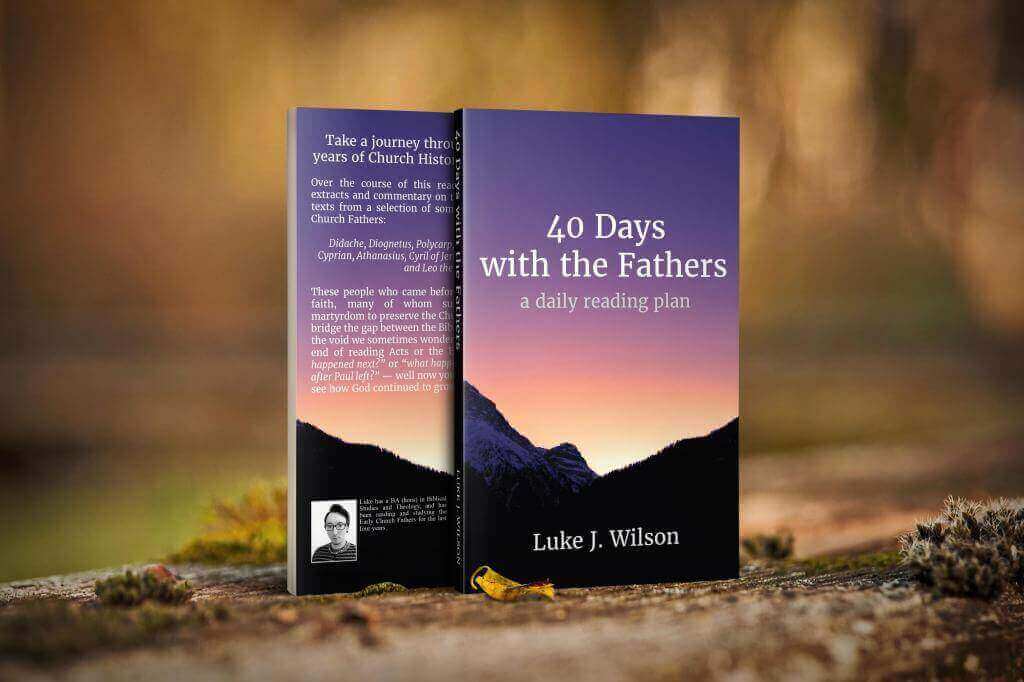
40 Days with the Fathers: Source Texts Companion Book
Posted by Luke J. Wilson on 2nd March 2019 in My Books | church fathers,church history,early church,early church fathers,companion book,40 days,Lent
Available soon will be a companion book that will include all of the source texts in full, which I had hoped to get out in time for Lent, but it’s unlikely to be ready in time this year. So if you have my book and would like to read along each day with the Church Fathers as well, I’ve compiled a list of online sources where you can read the original texts.
If you don’t have the book and would like it, you can order it now from Amazon and still get it in time for Lent by clicking the following link: Amazon.com; or if you would like to pledge some support towards my book writing in return for some nice perks, you can do so on my Patreon page: https://patreo...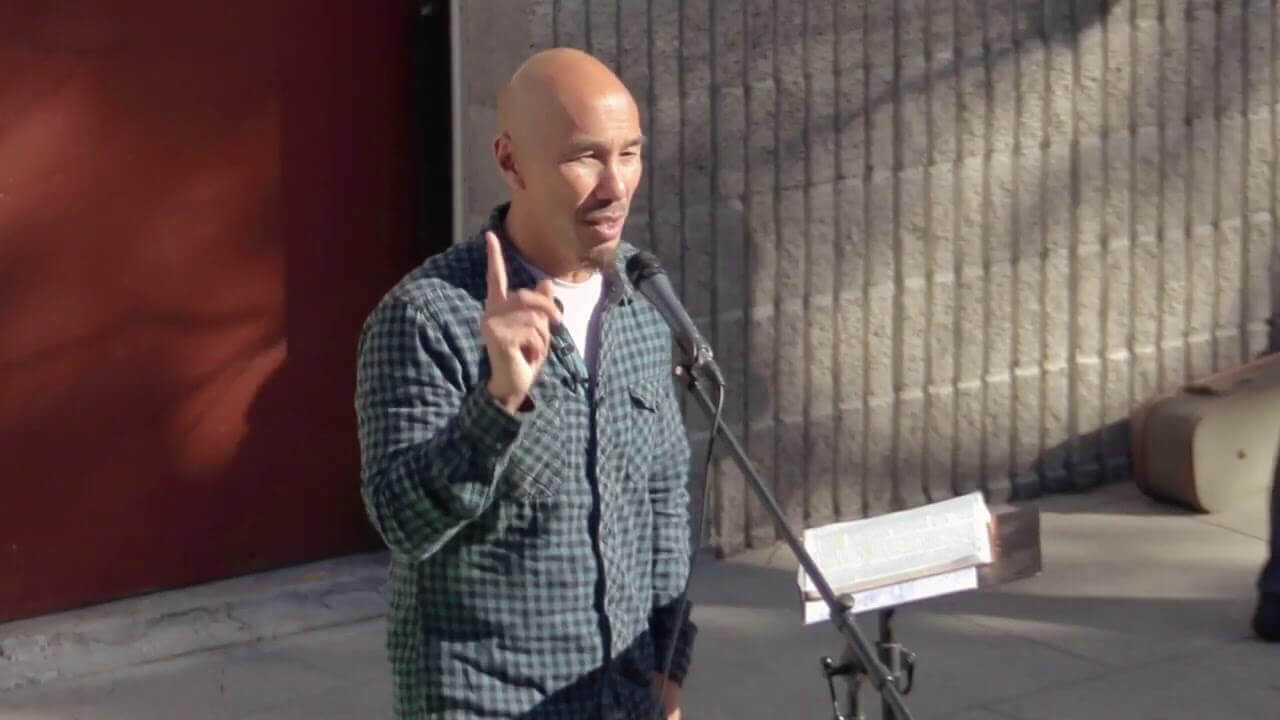
Francis Chan turns towards a more historical and ancient view of Communion
Posted by Luke J. Wilson on 14th January 2020 in General Interest | eucharist,communion,francis chan,church fathers,church history,controversy
If you follow certain Christian blogs, or have Christian friends on Social Media, then you may have seen a short video clip being shared which has been taken from a recent sermon by popular Evangelical pastor/speaker and author, Francis Chan of Crazy Love ministries.
Depending on who shared the clip will depend on which reaction you have seen; some are praising his words, others fearing for his future calling it a “red flag”.
And all of this over a short statement he made about communion!
I recommend you watch this 3 minute clip below before continuing, if you haven’t seen it already. I would also recommend watching the whole 47 minute sermon for some b...
Powered by WebBoss.io 3.7.1
Copyright © 2026 The Sacred Faith: Timeless Truths for Modern Minds. All Rights Reserved.
