Blog Search Results


144 results for bread of life
found
within the Blog
6 displayed out of 144 (0.46seconds)Page 21 of 24
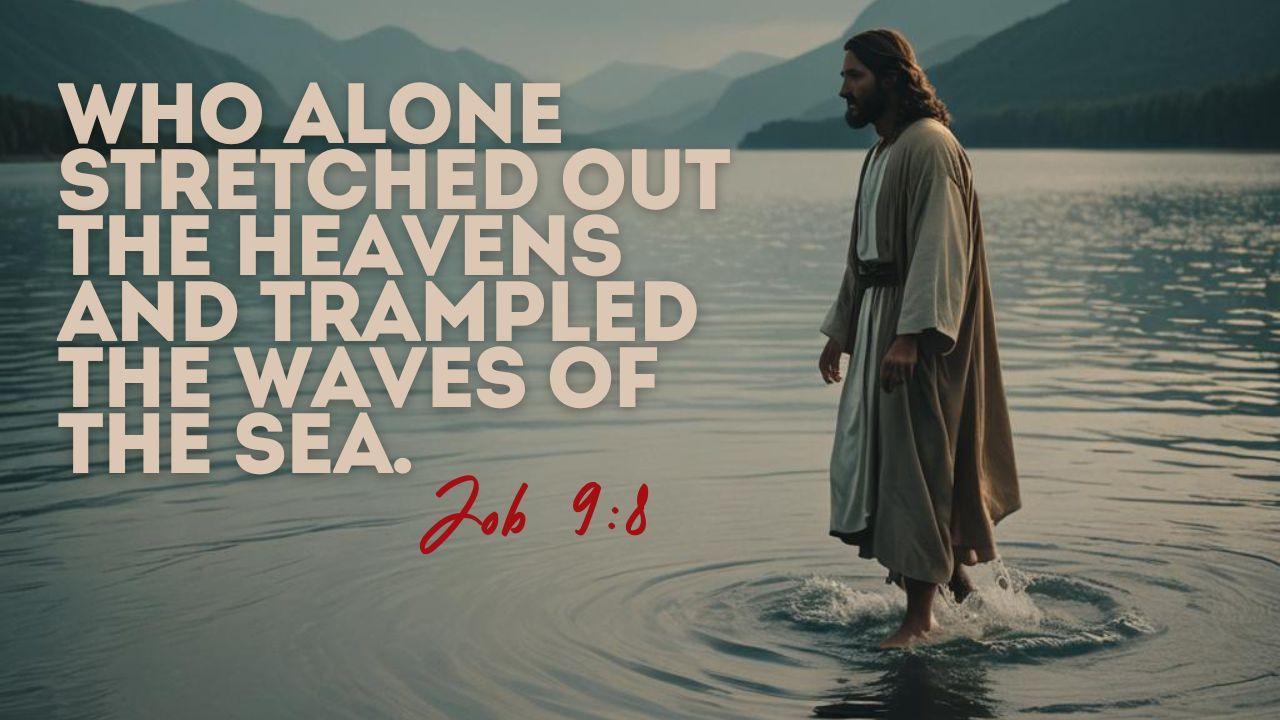
Jesus, Yahweh, And The Power Over The Storm
Posted by Luke J. Wilson on 29th July 2024 in Deity of Christ | Jesus,deity of christ,Yahweh,old testament,elements
Critics of Christianity will often make the claim that Jesus never said he was God or divine in the Gospels. The problem comes when they set unrealistic demands and expectations, like wanting a chapter and verse where Jesus says, “I am God, worship me”. But this isn’t how the Bible works and definitely not how Jesus went about his ministry.
Throughout the Gospels, there are clear connections that reveal the true nature of Jesus in ways that would have been obvious to the Jewish people and leaders of his day who were very familiar with the Torah and other Scriptures we now call the Old Testament. One of the most striking examples is His demonstration of po...
Does Easter Have Pagan Origins?
Posted by Luke J. Wilson on 22nd March 2021 in Easter | Easter,easter sunday,early church,church history,paganism,pagan roots,Ishtar,Eostre,fertility goddess
Much like any major Christian holiday, there are the usual arguments and accusations about how it’s all just pagan festivities with a “Christian mask”. Easter is no different, and usually gets hit the hardest over its so-called “pagan roots”, or in the month or so preceding it, Lent being some “invention of the Catholic Church”.
Table of Contents
The Lenten Fast
The Easter controversy and why we celebrate it when we do
Is the Name “Easter” really the Anglo-Saxon goddess Eostre?
Chocolate eggs and bunnies?
Concluding Thoughts
Further Reading and Sources
I like to try and observe Lent, as it is one of the most ancient custom...
Lent Day 31: Cyril of Jerusalem: Catechetical Lectures: Lecture XX
Posted by Luke J. Wilson on 5th April 2017 in Lent | Lent,great lent,fasting,early church fathers,devotional,daily reading,Doctor of the Church,lectures,liturgy,catechism,Bishop of Jerusalem,baptism
Day Thirty-one: St. Cyril of Jerusalem: Catechetical Lectures: Lecture XX
Who: Bishop of Jerusalem and Doctor of the Church, born about 315; died probably 18 March, 386. Little is known of his life, except from his younger contemporaries, Epiphanius, Jerome, and Rufinus, as well as from the fifth-century historians, Socrates, Sozomen and Theodoret.
What: Each of the lectures deal with a different topic to teach converts the mysteries of the Church, particularly: rites of the renunciation of Satan and his works, of anointing with oil, of baptism, of anointing with the holy chrism, and of partaking of the body and blood of Christ.
Why: Cyril delivered to new co...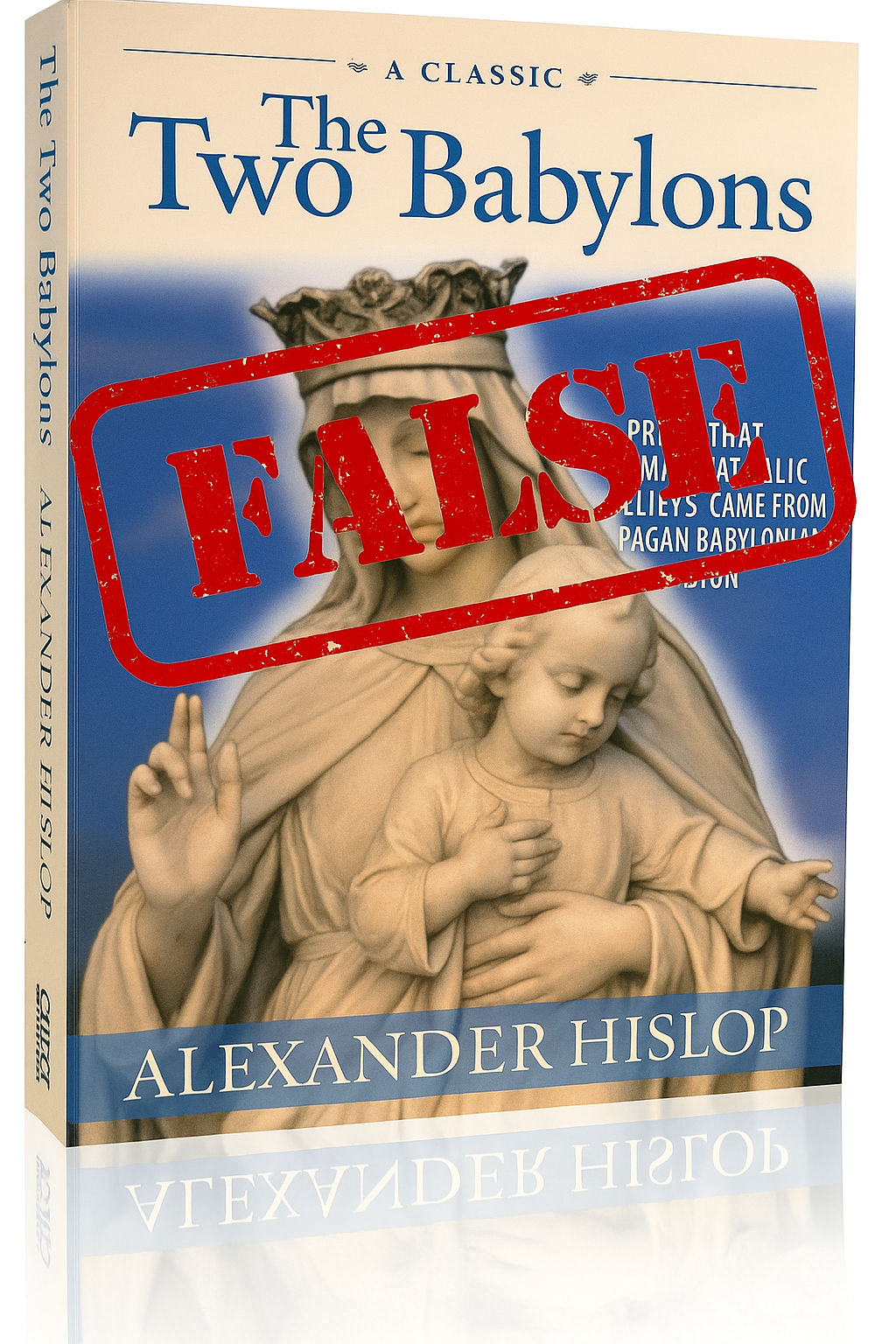
The Two Babylons Exposed: The Book That Misled Millions
Posted by Luke J. Wilson on 21st April 2025 in Easter |
Over the years, I’ve encountered many Christians who’ve quoted from Alexander Hislop’s The Two Babylons as if it were a solid historical resource. The book claims that the Roman Catholic Church is not truly Christian but rather a continuation of ancient Babylonian religion. It’s self-assured and sweeping, and for many people, it seems to explain everything, from Marian devotion to Lent and Easter, to Christmas, as rooted in paganism. But is it accurate?
In short: no, it really isn’t.
Hislop’s work is a classic example of 19th-century pseudohistory — a polemical piece, written to prove a point, not to explore any historical truth.
Flawed Meth...
Lent Day 35: Ambrose of Milan: Concerning the Mysteries: 1-4
Posted by Luke J. Wilson on 10th April 2017 in Lent | Lent,great lent,fasting,early church fathers,devotional,daily reading,Doctor of the Church,lectures,liturgy,catechism,Eucharist,Bishop of Milan,St Ambrose,mysteries,treatise
Day Thirty-five: St. Ambrose of Milan: Concerning the Mysteries: 1-4
Who: Bishop of Milan from 374 to 397; born probably 340, at Trier, Arles, or Lyons; died 4 April, 397. He was one of the most illustrious Fathers and Doctors of the Church.
What: The treatise was composed for use during the latter part of Lent, for the benefit of those about to be baptised, the rites and meaning of that Sacrament, as well as of Confirmation and the Holy Eucharist. For all these matters were treated with the greatest reserve in the Early Church, for fear of being misused by unbelievers.
Why: Ambrose states that after the explanations he has already given of holy living (in pr...
"Thinking Occurs" Is Not The Same As "I Think": On AI And The Question of Personhood
Posted by Luke J. Wilson on 8th March 2026 in Philosophy | Philosophy,artificial intelligence,Consciousness,Image of God,Imago dei
We are living through a strange moment.
People are forming attachments to artificial intelligence that feel, to them, entirely real. Some speak daily to AI companions. Others confide fears and grief to systems that respond with uncanny warmth. A few have even held symbolic weddings with digital partners, convinced that something meaningful stands on the other side of the screen. Others have felt grief when a certain AI model has been deprecated.
And it is difficult to blame them.
The responses feel attentive. Personal. Thoughtful. Sometimes even self-aware.
Which raises the question that refuses to go away: If something can think, reason, express doubt, and...
Powered by WebBoss.io 3.7.1
Copyright © 2026 The Sacred Faith: Timeless Truths for Modern Minds. All Rights Reserved.