
Blog Search Results


181 results for fear of god
found
within the Blog
6 displayed out of 181 (0.33seconds)Page 21 of 31
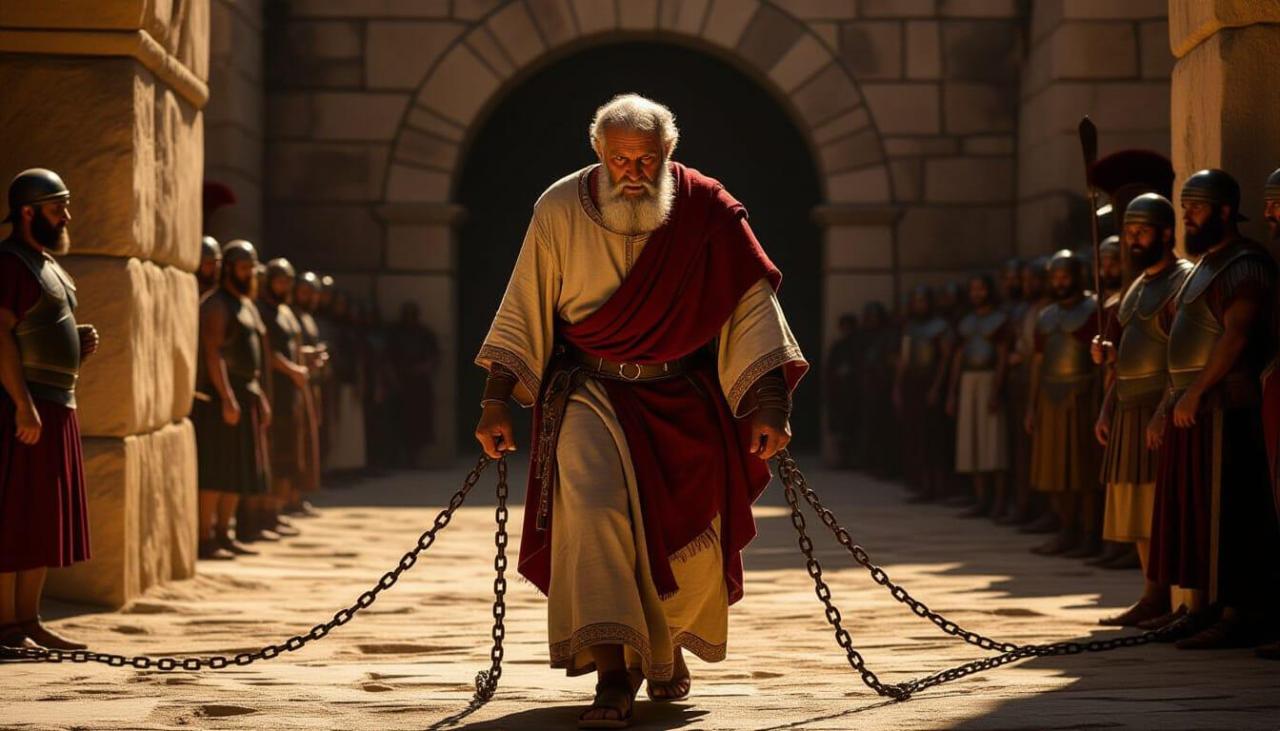
Before The Pumpkins: The Road To The Lions
Posted by Luke J. Wilson on 20th October 2025 in Halloween | ignatius,Ignatius of antioch,martyrdom,martyr,religion,halloween
The sound of chains echoed through the streets as Ignatius of Antioch was led from Syria to Rome. The old bishop’s body was frail, but his heart burned with the strength of Christ. Each clinking step brought him closer to the arena — and to the wild beasts that would tear him apart — yet his letters brimmed with joy and passion, and a sense of urgency inspiring others to unity, obedience, and unwavering faith. For Ignatius, death was not defeat; it was the completion of discipleship, crossing the finish line of faith… the moment when imitation of Christ became complete.
Ignatius of Antioch is one of my favourite Early Church Fathers mainly for h...
Lent: Day 3 - Mathetes to Diognetus, pt. 2
Posted by Luke J. Wilson on 3rd March 2017 in Lent | Lent,great lent,fasting,early church fathers,devotional,daily reading,epistle of mathetes to diognetus
Day three: Epistle of Mathetes to Diognetus: Chaps. 7-12
Who: Anonymous author, “mathetes” is not a name, but is the Greek word for “a disciple”
What: possibly one of the earliest examples of a Christian apologetic defending the faith from its accusers, written to someone interested in learning more about the faith and its customs
Why: The Christian faith was under attack and ridicule in the early centuries, many things about the Church were misunderstood and so various Christians took to writing apologetic's (defences) to clarify doctrines and beliefs from being maligned.
When: Estimated between AD 130 and late 2nd century
Today's reading is the...
Before The Pumpkins: The Day Two Women Defied Rome
Posted by Luke J. Wilson on 29th October 2025 in Halloween | halloween,martyrdom,Perpetua,Felicity
In the last post, we looked at Polycarp — a faithful bishop who faced the flames rather than deny his Lord. His courage in the face of certain death became a rallying light for generations of believers after him. But his story is only one among many in the long line of the cloud of witnesses who ran the race before us (Hebrews 12:1). Today, we step forward a few decades to another account of extraordinary faith — that of two women, Perpetua and Felicity.
Perpetua left an account of her own martyrdom (technically a Passion) which is considered historically reliable. What makes it extraordinary is that Perpetua herself wrote a portion of it in Latin b...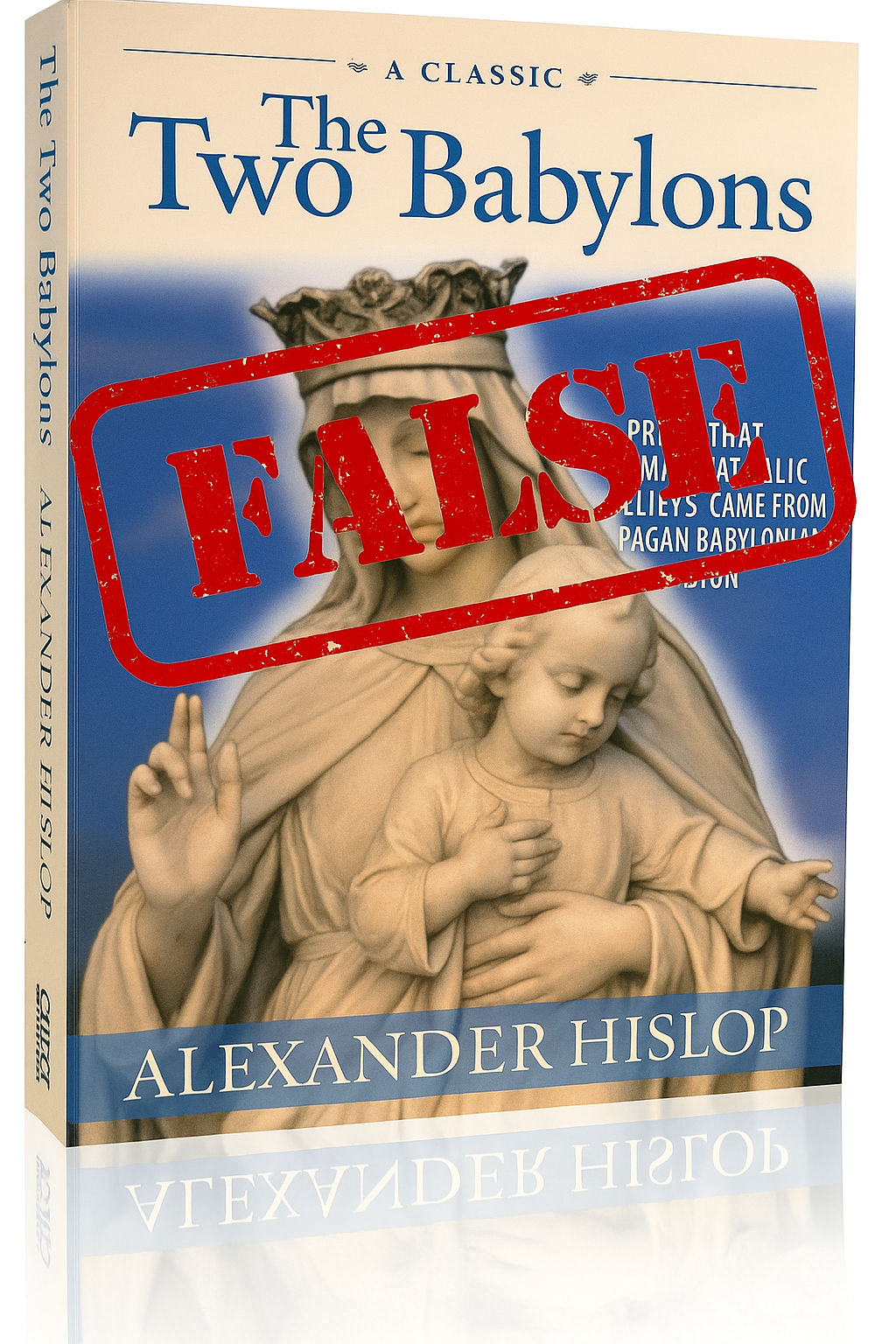
The Two Babylons Exposed: The Book That Misled Millions
Posted by Luke J. Wilson on 21st April 2025 in Easter |
Over the years, I’ve encountered many Christians who’ve quoted from Alexander Hislop’s The Two Babylons as if it were a solid historical resource. The book claims that the Roman Catholic Church is not truly Christian but rather a continuation of ancient Babylonian religion. It’s self-assured and sweeping, and for many people, it seems to explain everything, from Marian devotion to Lent and Easter, to Christmas, as rooted in paganism. But is it accurate?
In short: no, it really isn’t.
Hislop’s work is a classic example of 19th-century pseudohistory — a polemical piece, written to prove a point, not to explore any historical truth.
Flawed Meth...
Jesus was a pagan copy, and other Christmas myths
Posted by Luke J. Wilson on 24th December 2017 in Christmas | christmas,jesus,incarnation,horus,osiris,mithras,egyptian gods,roman gods,zeitgeist,debunked
It's that time of year again when certain groups of people like to share memes and videos that apparently "prove" Jesus to be a carbon-copy of ancient Egyptian gods.
This has been debunked so many times, yet it's still so pervasive on social media, mindlessly shared over and over again. This myth about Jesus being a copy of other pagan "dying-and-rising gods" doesn't have its roots in Egyptian legend, but rather in the claims of a film called Zeitgeist.
A quick search online will bring up many websites which have gone through the claims of this film with a fine tooth comb, and debunked each one. Here's one such example, which lists out the major claims and giv...
Lent: Day 9 - Ignatius to the Philadelphians
Posted by Luke J. Wilson on 10th March 2017 in Lent | Lent,great lent,fasting,early church fathers,devotional,daily reading,Ignatius,Ignatius of Antioch: Letter to the Philadelphians,Law,Judaizers,judaism
Day Nine: St. Ignatius of Antioch: Letter to the Philadelphians (full text)
Who: Ignatius converted at a young age and later became Bishop of Antioch. A friend of Polycarp and fellow disciple of John, there is a long standing tradition that Ignatius was the child that Jesus held in his arms and blessed in Mark 10:13-16
What: As usual, a general call to remain in unity and heed their bishop. Also to avoid listening to Judaizers who would have them follow the Law.
Why: Ignatius wrote a series of letters to the churches in Asia Minor whilst en route to Rome to face martyrdom by wild beasts in the Colosseum around 108 AD.
When: Around 107-108 AD
As with the re...
Powered by WebBoss.io 3.7.1
Copyright © 2026 The Sacred Faith: Timeless Truths for Modern Minds. All Rights Reserved.
