
Blog Search Results


176 results for triune god
found
within the Blog
6 displayed out of 176 (0.32seconds)Page 21 of 30
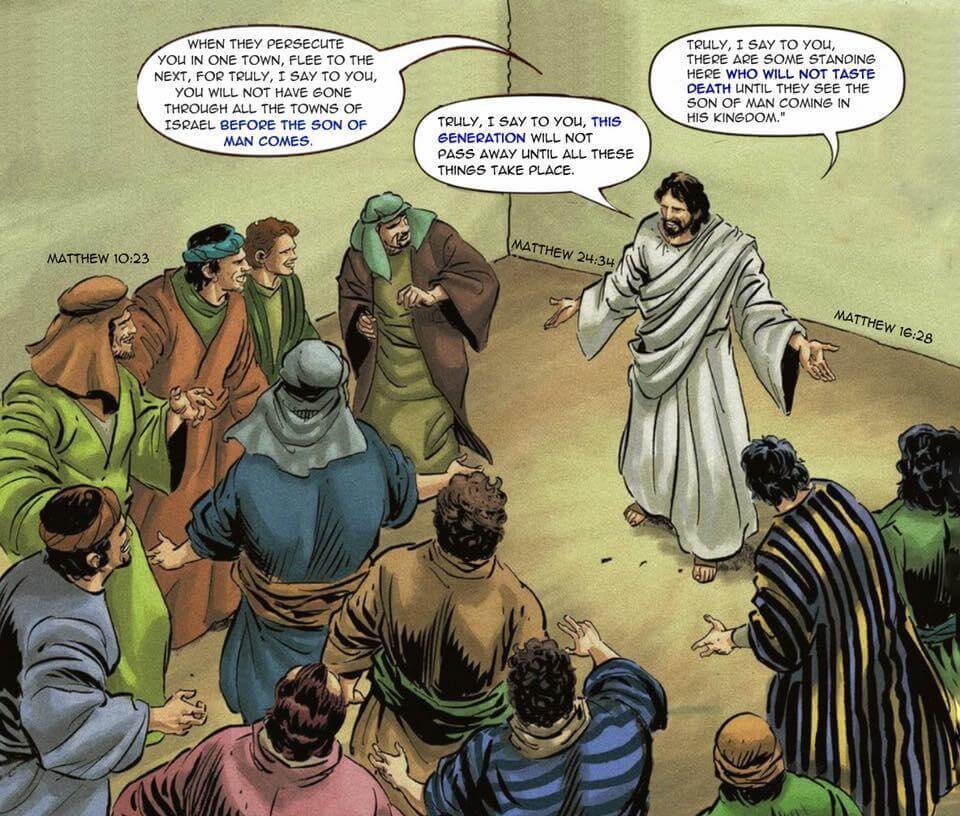
The Coming Kingdom of the Son of Man
Posted by Luke J. Wilson on 20th July 2016 in Eschatology | second coming,preterism,Kingdom of god,Coming kingdom,olivet discourse,Gospels,end times,end of the world,end of the age
The importance of context of what's being said, and to whom, in Scripture.
I came across this image the other day (in the header above; see larger here) that links together three parts of Matthew’s Gospel to highlight the connection which many often miss, or read as separate events. I like the image because it shows that when Jesus spoke these things, he would have been saying them directly to the disciples and others who were listening to his teaching, and not in some cryptic, ambiguous dictation to a prophetic scribe, devoid of all context and meaning to those around him at the time.
Update Feb 2017: I am adding some additional information to this to dis...
Lent: Day 3 - Mathetes to Diognetus, pt. 2
Posted by Luke J. Wilson on 3rd March 2017 in Lent | Lent,great lent,fasting,early church fathers,devotional,daily reading,epistle of mathetes to diognetus
Day three: Epistle of Mathetes to Diognetus: Chaps. 7-12
Who: Anonymous author, “mathetes” is not a name, but is the Greek word for “a disciple”
What: possibly one of the earliest examples of a Christian apologetic defending the faith from its accusers, written to someone interested in learning more about the faith and its customs
Why: The Christian faith was under attack and ridicule in the early centuries, many things about the Church were misunderstood and so various Christians took to writing apologetic's (defences) to clarify doctrines and beliefs from being maligned.
When: Estimated between AD 130 and late 2nd century
Today's reading is the...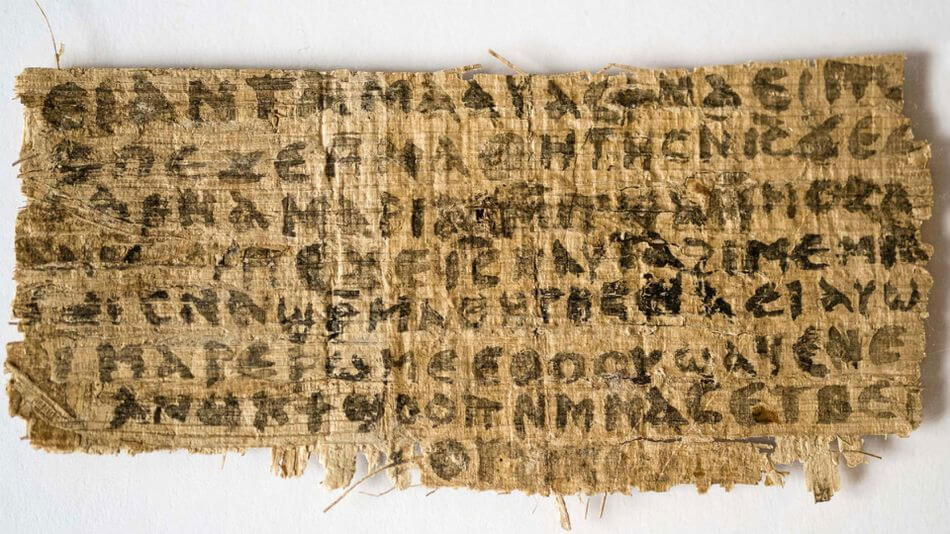
An ancient fragment mentions Jesus' wife!?
Posted by Luke J. Wilson on 10th April 2014 in General Interest | Jesus,wife,papyrus,fragment,Archaeology,Jesus wife,Gnosticism,early church
UPDATE (3rd May 2014): It is now believed to have been confirmed as a hoax/fake; read the full story on The Wall Street Journal.
Ancient and not a fake according to scientists
IMAGE: HARVARD UNIVERSITY, KAREN L. KING/ASSOCIATED PRESS
A little while ago, there was some hoopla in the news about a newly discovered fragment of papyrus from ancient times which contained the phrase "Jesus said to them, 'my wife...,'". Obviously, and not surprisingly, the media made a big deal out of this. Atheists and the like, saw it as a blow to Christianity and conspiracy theorists everywhere thought it confirmed their views that the Vatican and the Catholic Church wer...
American Gun Violence and the Early Church on War and Violence
Posted by Luke J. Wilson on 3rd October 2017 in Early Church | early church,early church fathers,gun violence,America,mass shooting
In light of the sad, recent events in the Las Vegas shooting — and similar events in America— I often see Christians across social media jumping to the defence of gun ownership whenever there is even a slight hint at gun control in America.
But how has gun culture become so ingrained in American Christianity when we can observe a clear theme and pattern of thought in the first few centuries of the Church, which goes completely against this?
Update 7th Nov 2017: It's so sad to have to update this post on the same subject so soon, almost a month to the day. Yet another shooting, this time in Texas where 26 people have been shot dead in a church of all pl...
Creedal Christians: The Apostle's Creed
Posted by Luke J. Wilson on 11th October 2018 in Early Church | creedal christians,creeds,creedal,apostles,apostolic creed,apostolic tradition,rule of faith,early church fathers,early church
The Apostle's creed — what is it and why is it called that?
Outside of the New Testament, this is one of the oldest creeds we have, dating back to the sixth – eighth century in its current form that is commonly known today, but having its origins much earlier — as far back as the second century in a shorter form known simply as the “Old Roman Creed”.
The Apostles creed is also sometimes referred to as the “Rule of Faith” as it is a summary of the Gospel and is the basis for pretty much all modern theology. The points of the creed cover all the major pillars of the Christian faith which aims to safeguard what is true orthodoxy (right belief), whic...
John Chau, missionary to the Sentinelese: martyr or madness?
Posted by Luke J. Wilson on 3rd December 2018 in Missions | sentinelese,John Chau,missionary,martyrdom,martyr,india,current events,tribes people
You've probably seen it in the news lately: John Chau, the American guy who tried to evangelise the secluded Sentinelese tribe off the coast of India. Much of the debate in secular media has centered around the grief of his friends and family; how he could have brought outside disease to the tribespeople and potentially killed them all (despite this not being their first contact with outsiders, with no known ill effect), or that he ventured there completely in ignorance with no preparation or wisdom — something which the missionary agency, All Nations, has recently debunked.
But the question I want to look at is this: was Chau's mission total madness or is...
Powered by WebBoss.io 3.7.1
Copyright © 2026 The Sacred Faith: Timeless Truths for Modern Minds. All Rights Reserved.
