
Blog Search Results


146 results for eternal life
found
within the Blog
6 displayed out of 146 (0.35seconds)Page 23 of 25

Lent: Day 14 - Justin Martyr: First Apology, Chaps. 24-35
Posted by Luke J. Wilson on 16th March 2017 in Lent | Lent,great lent,fasting,early church fathers,devotional,daily reading,Justin Martyr,apologetics
Day Fourteen: St. Justin Martyr: First Apology, Chaps. 24-35
Who: Justin Martyr was a Philosopher who converted to Christianity and became a tireless evangelist and apologist. Justin wrote more Christianity than any other person prior to his time. He is classified herein as Eastern, since he a native of Samaria and his thought patterns were Eastern. However, he spent the last years of his life in Rome, where he was executed as a martyr (c. 165).
What: An apologetic (defence) essay to explain what Christians believe and do.
Why: Justin is demanding the Emperor to investigate accusations and unjust persecution against Christians so that they at least may face...
Did Jesus lead the first youth group?
Posted by Luke J. Wilson on 23rd November 2023 in General Interest | disciples,apostles,youth group,apologetics
The Bible can be a complex thing, with many interwoven connections not always immediately apparent, linking topics and themes together across the ages. One such intriguing relationship lies between Exodus 30:14 and Matthew 17:24–27, offering valuable perspectives on the age dynamics among Jesus’ disciples with a hidden clue in the brief encounter about paying temple tax.
Exodus 30:14 — The Age of Accountability
Exodus 30:14 establishes a significant criterion for temple tax payment: “Everyone who is numbered, from twenty years old and over, shall give the offering to the Lord.” This biblical guideline sets what might be considered a standard for...
What is Truth?
Posted by Luke J. Wilson on 29th July 2026 in Faith & Reason | truth,incarnation,pilate,philosophy,theology
��Pilate asked him, ‘What is truth?’ (John 18:38)
What is “truth”? A question famously asked by Pilate to Jesus during his trial. Ironically, Pilate was speaking to the embodiment of Truth itself.
John 14:6Jesus said to him, ‘I am the way, and the truth, and the life.’
Here’s a little ‘riddle’ to think about while you read this; see if you agree or not: “all truth is fact, but not all facts are truth”. I’ll explain it at the end if you’re confused.
Jesus is the ultimate Truth, but in a world and society that is becoming increasingly more relative, how do we test the truth and know what’s real or not? Especially with the su...
What is Monarchical Trinitarianism?
Posted by Luke J. Wilson on 21st July 2024 in Trinity | trinity,monarchy of the Father,Monarchical Trinitarianism,church fathers,church history
Monarchical Trinitarianism, also referred to as the “Monarchy of the Father,” is a theological perspective that asserts the Father as the sole source (or monarch) within the Trinity. This view maintains a clear distinction of roles among the Father, the Son, and the Holy Spirit while upholding their unity in essence. It is essential to distinguish this from Monarchianism, a heretical belief condemned in the 4th century, which posited that God is a single person rather than three distinct persons.
The eternal Begottenness of the Son
The term “created” used by the early pre-Nicene Fathers does not align with the Arian view, which posits that the Son was...
Lent Day 37: Leo the Great: Letter XXVIII (called the "Tome")
Posted by Luke J. Wilson on 12th April 2017 in Lent | Lent,great lent,fasting,early church fathers,devotional,daily reading,Doctor of the Church,lectures,Tome,Leo the Great,St Leo,hypostatic union,deity of christ,heresy,Pope Leo I
Day Thirty-seven: St. Leo the Great: Letter XXVIII (called the "Tome")
Who: Leo the Great, also known as Pope St. Leo I (the Great), was Pope from 440-61 AD. Place and date of birth unknown; died 10 November, 461. Leo's pontificate, next to that of St. Gregory I, is the most significant and important in Christian antiquity, as he tried to combat the heresies which seriously threatened church unity even in the West, such as Pelagianism.
What: A defence of the twofold nativity and nature of Christ against the false teaching of a priest called Eutyches. It is a doctrinal letter sent by Pope Leo I in the year 449 to Flavian, Patriarch of Constantinople, on the...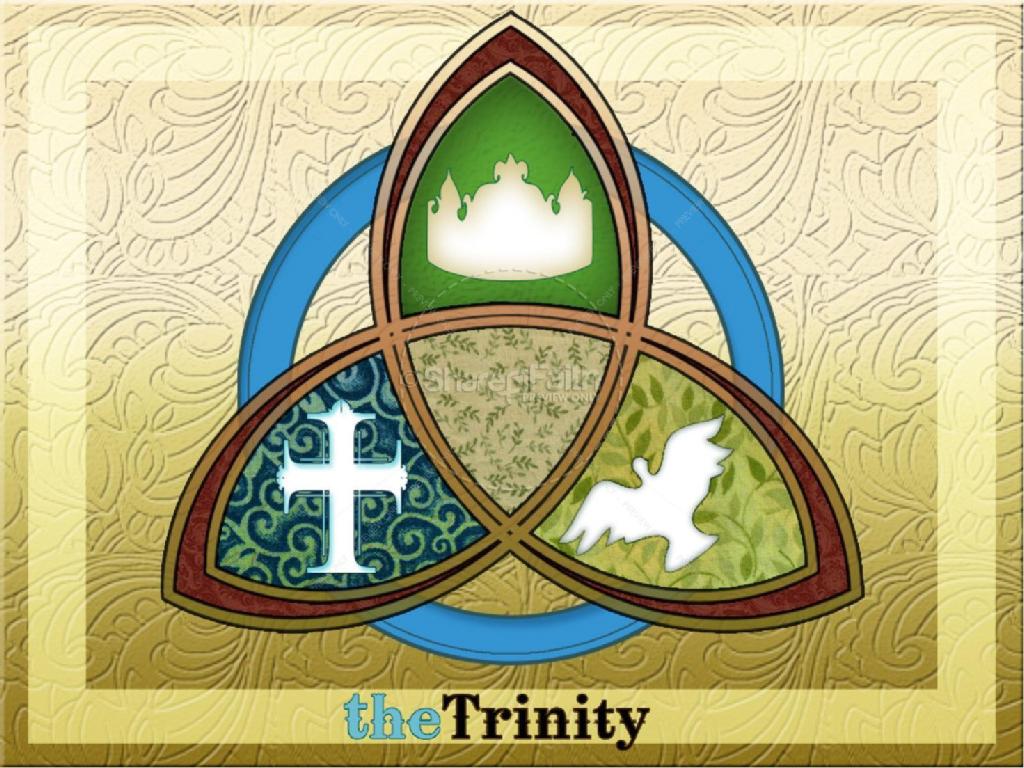
The Battle for the Trinity: Historical Heresies and Church Defences
Posted by Luke J. Wilson on 1st July 2024 in Trinity | trinity,heresy,heretics,theology,creeds
The Trinity is a cornerstone of Christian faith, defining God as one Being in three Persons: Father, Son, and Holy Spirit. However, throughout history, various misunderstandings and false teachings — known as heresies — have arisen, challenging this core doctrine. Understanding these heresies can strengthen our faith and deepen our appreciation for the truths held by the Church since its earliest days.
What Is the Trinity?
Before diving into the heresies, let’s briefly review what we mean by the Trinity. The Christian doctrine of the Trinity teaches that God is one essence in three distinct Persons:
The Father: The Creator and sustainer of al...
Powered by WebBoss.io 3.7.1
Copyright © 2026 The Sacred Faith: Timeless Truths for Modern Minds. All Rights Reserved.
