
Blog Search Results


139 results for had
found
within the Blog
6 displayed out of 139 (0.04seconds)Page 23 of 24
So, where are we going?
Posted by Luke J. Wilson on 10th April 2014 in Judgement | judgement, hell, Revelations, Jesus, Great White Throne
...what they had done.
This judgement sounds a bit different to simply being condemned to hell automatically. At least here it appears as though God is considering his judgement on the people before deciding, else what is the point to this process?
Another thing to consider is what Paul writes about the Law being written on our hearts so that we are without excuse - another verses often bandied about, but we must consider the full statement made by Paul and not stop short of it:
Romans 2:14-16When Gentiles, who do not possess the law, do instinctively what the law requires, these, though not having the law, are a law to themselves. They show that what the la...Was the omniscience of God a developed idea?
Posted by Luke J. Wilson on 21st April 2014 in The Nature of God | progressive revelation, Christocentric, Christotelic, Hermeneutics, omniscience, omnipresence, theology
...Or do we retroactively place our current theology of God on God?
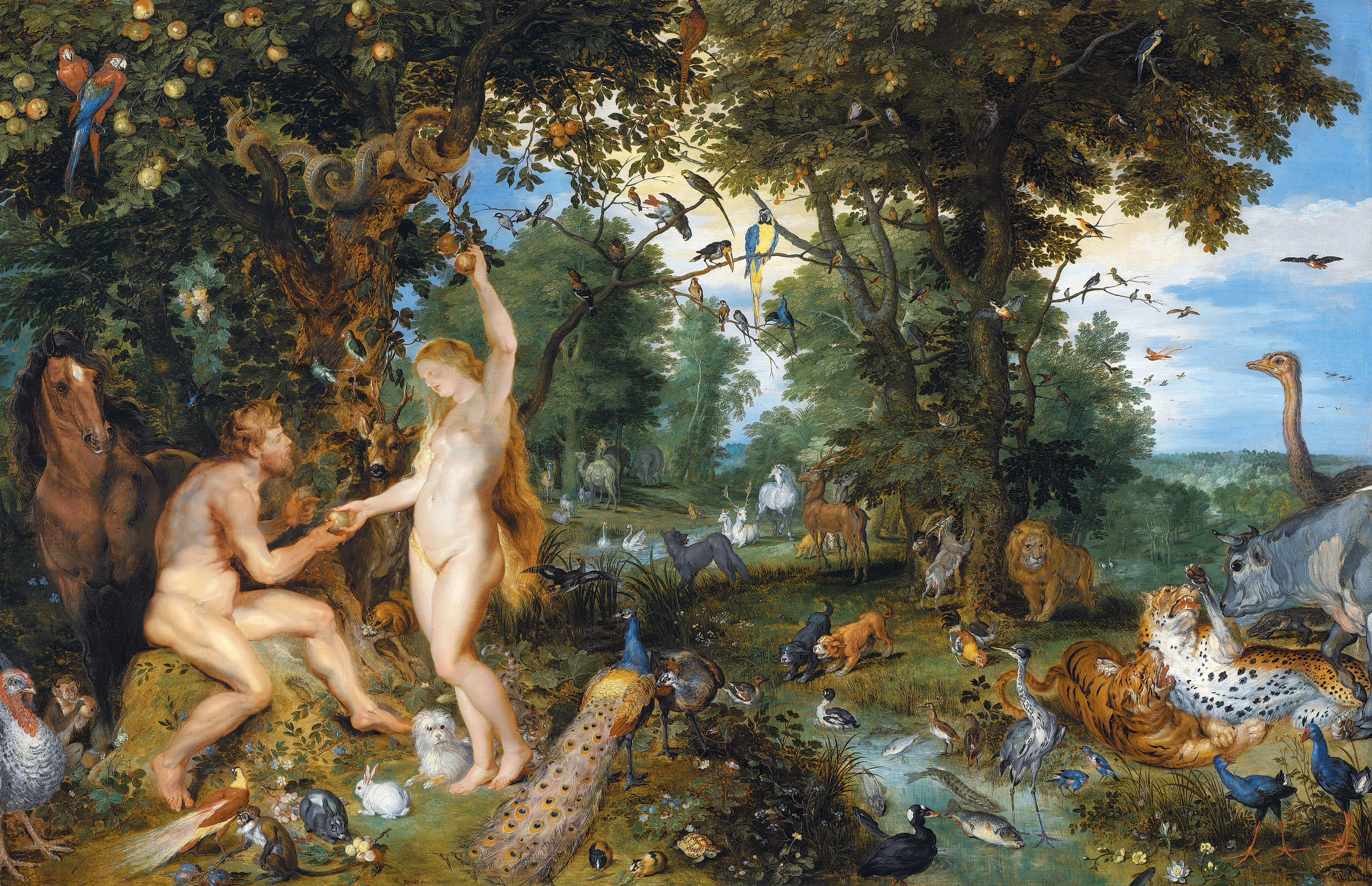
Consider the Garden of Eden: '[T]he Lord God called to the man, and said to him, “Where are you?”' (Gen. 3:8-10)
Now today we make it into a rhetorical question, but was this always so? In this story, God is spoken of almost in a physical-bodily sense as walking in the garden, since "they heard the sound of the Lord God walking in the garden" as he moved about, and then tried to hide themselves from his view!
Next think of the tower of Babel - "The Lord came down to see the city and the tower, which mortals had built" (Gen 11:5) - Did he not just know already? Also this story...
Lent: Day 9 - Ignatius to the Philadelphians
Posted by Luke J. Wilson on 10th March 2017 in Lent | Lent,great lent,fasting,early church fathers,devotional,daily reading,Ignatius,Ignatius of Antioch: Letter to the Philadelphians,Law,Judaizers,judaism
...ld really had disappeared and as far as he was concerned, the New Covenant was in full effect which is why his letters often remind the churches not to fall back into the old ways of Judaism.
That is something that I think many Christians today still need reminding of as well. We have been set free in Christ (Acts 13:39; Rom 8:2; Rom 10:4; Gal 5:1), taken out from under the power of the old and are now under a new Law: the Law of Love/Christ (Rom 13:10; Gal 5:14; Gal 6:2).
Go, therefore, in freedom.
...
The Temptations of Jesus: Pride
Posted by Luke J. Wilson on 18th February 2018 in Lent | pride,temptation,Jesus,forty days,40 days,Lent,fasting,sin,wilderness,desert
...od” and had equality, it wasn’t “something to be exploited” as Paul writes in Philippians 2:5-8.
Let us learn from this, and keep ourselves ever humble, imitating our Lord Jesus Christ, so that we may push back against the attacks of the enemy and “work out our salvation in fear and trembling” (Philippians 2:12)!...
Did Jesus lead the first youth group?
Posted by Luke J. Wilson on 23rd November 2023 in General Interest | disciples,apostles,youth group,apologetics
...nly Peter had crossed the threshold of twenty years? The rest could be anywhere between 13–19! Another clue is that it appears only Peter was married, since his mother-in-law is mentioned in Luke 4:38–39, implying that he was possibly older than the others too.
Peter, and others, are often depicted as quite old.Saint Peter, by Peter Paul Rubens, 1610
Implications for Discipleship
This age dynamic may offer insights into the behavioural nuances observed among the disciples throughout the Gospels. Instances of immaturity, such as the disciples’ arguments about greatness (Mark 9:32–34), the way John and Peter race each other to the tomb (John 20:3...
Before The Pumpkins: Reclaiming All Hallows’ Eve
Posted by Luke J. Wilson on 12th October 2025 in Halloween | halloween,pagan roots,pagan,history,series
...tness who had finished the race and kept the faith. That’s the true origin of Halloween’s eve: not a night of fear, but a vigil of remembrance.
And so, as the world lights candles inside pumpkins, we light ours in memory of those who shone brightest in the darkness. Saints and martyrs remind us that the Christian story is one of life conquering death — of love refusing to yield to hatred. Their courage wasn’t rooted in despair, but in the unshakable hope that Christ has already triumphed.
This October, we’ll look back at a few of these extraordinary lives — men and women who carried the light through the fires of persecution: Ignatius of An...
Powered by WebBoss.io 3.7.1
Copyright © 2026 The Sacred Faith: Timeless Truths for Modern Minds. All Rights Reserved.
