
Blog Search Results


187 results for jesus death
found
within the Blog
6 displayed out of 187 (0.33seconds)Page 25 of 32

On the Feast of the Nativity, a sermon by Leo the Great
Posted by Luke J. Wilson on 22nd December 2018 in Christmas | nativity,christmas,xmas,leo the great,sermon
In the days leading up to Christmas, I wanted to share a sermon from a man known as Leo the Great (aka Pope Leo I), who was a Pope from 440-61 AD. He was one of the most significant and important men in Christian antiquity, as he tried to combat the heresies which seriously threatened church unity in the West, such as Pelagianism. This sermon of his about the incarnation of Christ and what it means for us has always stuck with me since I first read it last April when writing my own book on the Early Church Fathers.
It's not that long, so take the time to read it through and let the words sink in as we prepare for Christmas to remember and celebrate the birth...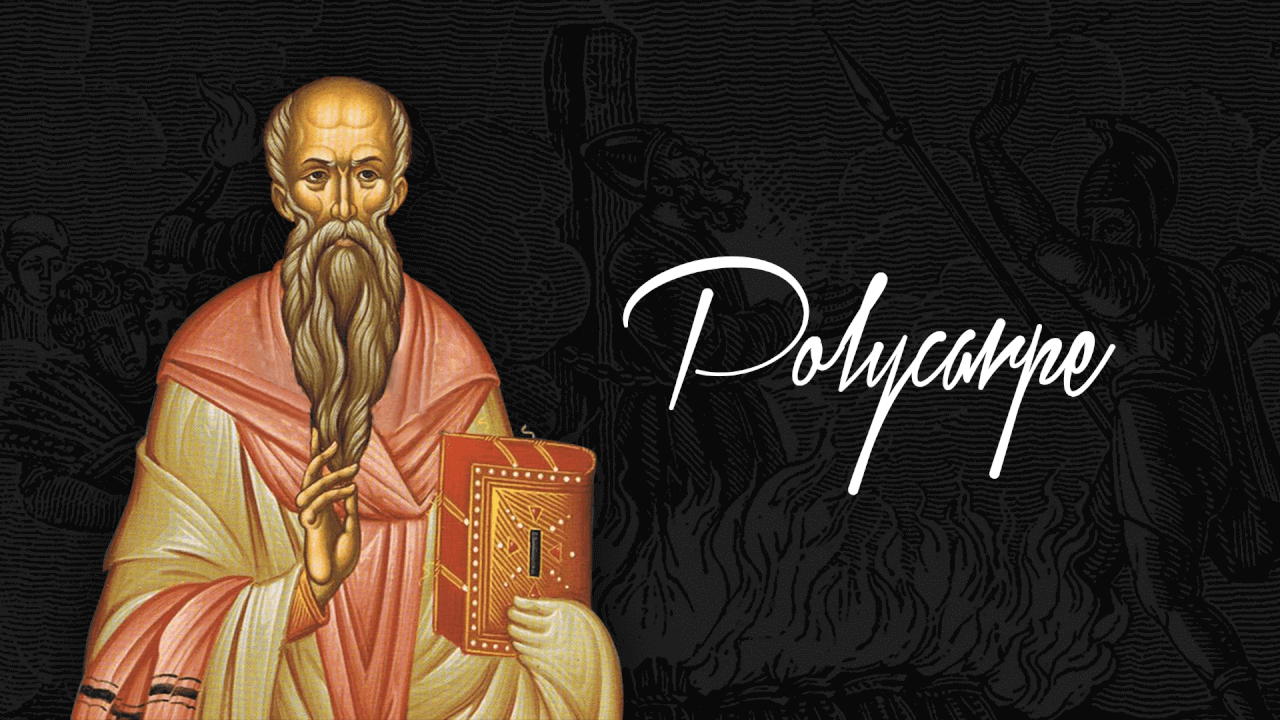
How Polycarp (And Others) Show The Early Use Of The New Testament
Posted by Luke J. Wilson on 21st November 2021 in Early Church | early church,early church fathers,polycarp,new testament,canon,biblical canon
Polycarp is one of the most important people in early church history. He was a disciple of John the Evangelist, and later became the bishop of Smyrna.
Polycarp was born around 69 A.D. in Smyrna, which is now modern-day Turkey. He grew up during a time when Christians were being persecuted for their beliefs, and he himself became a Christian at a young age. Polycarp is regarded as one of the earliest church fathers because he had a significant impact on Christianity as it spread throughout Asia Minor and Europe, and he also played an important role in shaping biblical canon for centuries to come.
We don’t know a great deal about his life, apart from t...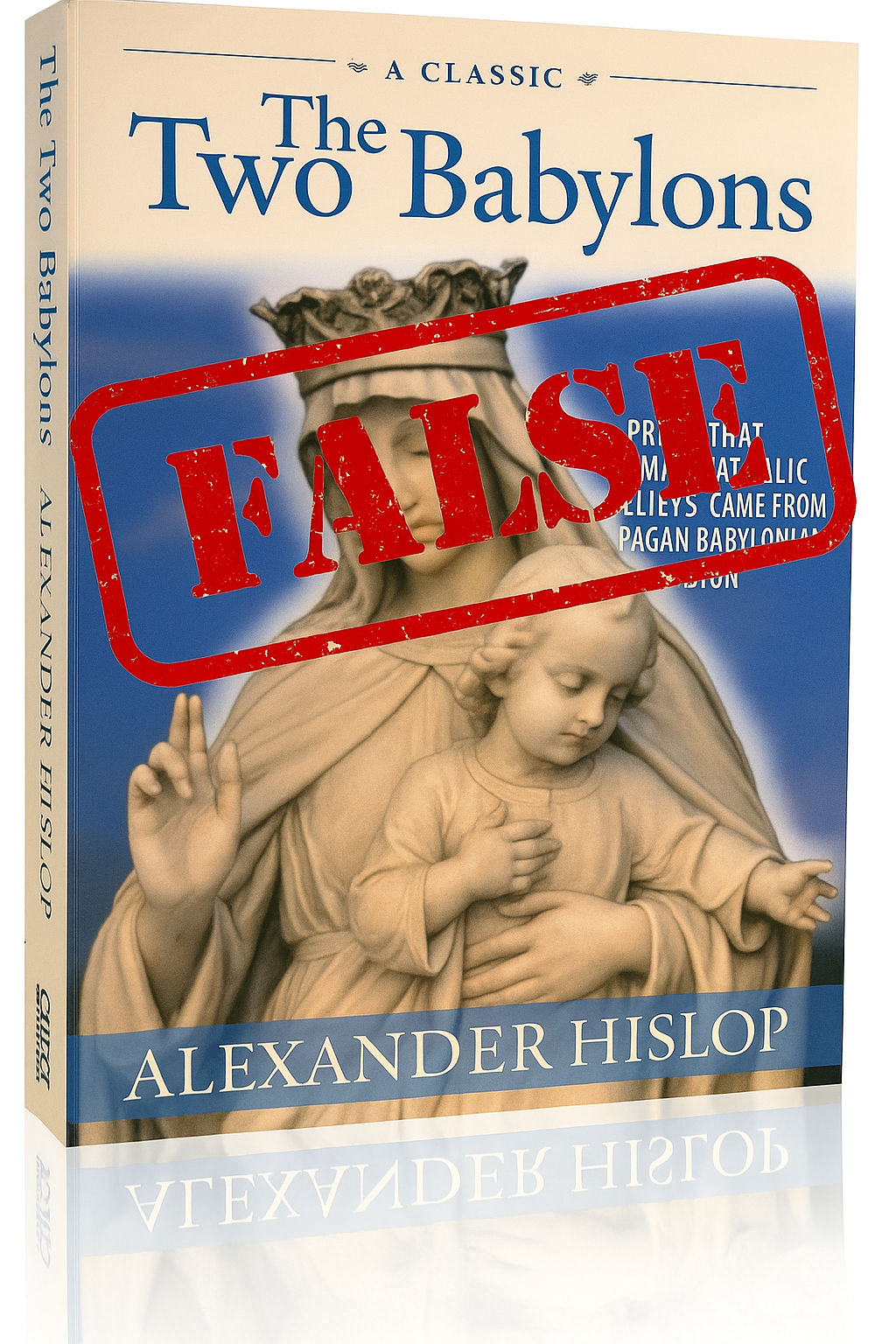
The Two Babylons Exposed: The Book That Misled Millions
Posted by Luke J. Wilson on 21st April 2025 in Easter |
Over the years, I’ve encountered many Christians who’ve quoted from Alexander Hislop’s The Two Babylons as if it were a solid historical resource. The book claims that the Roman Catholic Church is not truly Christian but rather a continuation of ancient Babylonian religion. It’s self-assured and sweeping, and for many people, it seems to explain everything, from Marian devotion to Lent and Easter, to Christmas, as rooted in paganism. But is it accurate?
In short: no, it really isn’t.
Hislop’s work is a classic example of 19th-century pseudohistory — a polemical piece, written to prove a point, not to explore any historical truth.
Flawed Meth...
Lent Day 28: Athanasius: Life of Anthony: Chaps. 71-80
Posted by Luke J. Wilson on 1st April 2017 in Lent | Lent,great lent,fasting,early church fathers,devotional,daily reading,Athanasius,Bishop of Alexandria,Confessor,Doctor of the Church,Anthony the Great,miracles,Greek Philosophy,demons,healing,deliverance,the cross,foolishness of the cross
Day Twenty-eight: St. Athanasius: Life of Anthony: Chaps. 71-80
Who: Bishop of Alexandria; Confessor and Doctor of the Church; born c. 296; died 2 May, 373 AD. He was the main defender of orthodoxy in the 4th-century battle against the Arianism heresy. Certain writers received the title “Doctor” on account of the great advantage their doctrine had on the whole Church, Athanasius especially for his doctrine on the incarnation.
What: The biography of Anthony the Great’s life, which helped to spread the concept of Christian monasticism, particularly in Western Europe.
Why: From the letter’s own prologue: “The life and conversation of our holy Father...
Lent Day 39: Leo the Great: Sermon XLIX (On Lent XI)
Posted by Luke J. Wilson on 14th April 2017 in Lent | Lent,great lent,fasting,early church fathers,devotional,daily reading,Doctor of the Church,lectures,Leo the Great,St Leo,Pope Leo I,sermon,almsgiving
Day Thirty-nine: St. Leo the Great: Sermon XLIX (On Lent XI)
Who: Leo the Great, also known as Pope St. Leo I (the Great), was Pope from 440-61 AD. Place and date of birth unknown; died 10 November, 461. Leo's pontificate, next to that of St. Gregory I, is the most significant and important in Christian antiquity, as he tried to combat the heresies which seriously threatened church unity even in the West, such as Pelagianism.
What: A sermon on the season of Lent as the Easter festival approached.
Why: To encourage the Church to fast during this season in order than they may put away temptations and overcome their vices, to be guided by God in all things.
W...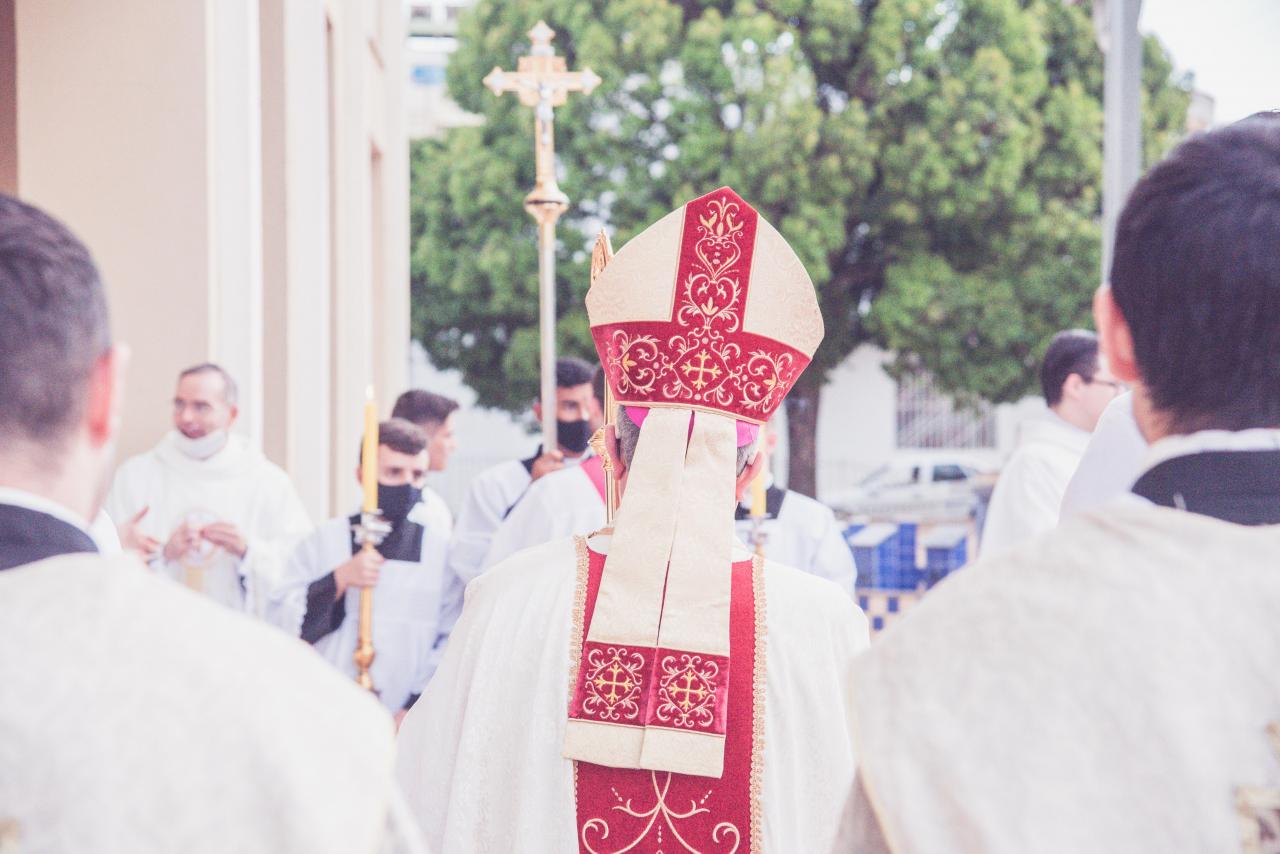
What does the word "Catholic" mean?
Posted by Luke J. Wilson on 8th March 2021 in Etymology | catholic,church fathers,church history,etymology,roman catholic,eastern orthodox,Great Schism,Muratorian Fragment
For many people today, non-Christians and (low church) Christians alike, when they hear the word “Catholic”, certain images spring to mind: the Pope, the rosery, Catholic school, big old churches buildings, choirboys, maybe monks or statues of Mary even; and sadly more recently, sex abuse scandals.
But, generally speaking, all of these are actually aspects of Roman Catholicism — a particular branch of Christianity, and not what the word “catholic” truly means as we’ll see when examining how the early church used the word and what the original Greek word means.
καθολικός (katholikos)
The Greek word where we get the English word “c...
Powered by WebBoss.io 3.7.1
Copyright © 2026 The Sacred Faith: Timeless Truths for Modern Minds. All Rights Reserved.
