
Blog Search Results


178 results for fear of god
found
within the Blog
6 displayed out of 178 (0.32seconds)Page 27 of 30

Did Herod’s Massacre of The Innocents Historically Happen?
Posted by Luke J. Wilson on 29th December 2025 in Christmas | josephus,herod,nativity,christmas,epiphany,magi
January 6th marks the day in the liturgical calendar when the arrival of the Magi visiting baby Jesus with their gifts is celebrated. But with it comes the often distressing account of what is known as the Massacre of the Innocents. Matthew places this moment of revelation of Jesus as King alongside one of the darkest episodes in his Gospel, and it’s a stark contrast: one King is here to bring peace on earth, as the angels declared, the other king brought death and destruction.
For some readers, this raises an immediate historical question. If Herod truly ordered the killing of all the male children under two in Bethlehem, why does no other ancient historian...
Four Blood Moons and everyone loses their minds
Posted by Luke J. Wilson on 16th April 2014 in Christianity | blood moon,prophecy,End Times,Second Coming,Return of Christ,news,predictions,HuffPost,Rapture,John Hagee,false prophets
According to NASA, there are about two lunar eclipses per year. This time there happens to be four all within 18 months - something astronomers call a tetrad.
I'm slightly surprised I've not seen much about this yet (maybe a good thing?), but it does seem as though this is an event certain Christians have been waiting for - and writing books about! I came across this on a recent Huffington Post article which gives this story also about church leaders saying these moons are "an omen of Armageddon and Second Coming of Christ", but I'm not so sure about that.
I did recognise one of the names mentioned, though: John Hagee, a Texas megachurch pastor. It was p...
Lent: Day 16 - Justin Martyr: First Apology, Chaps. 48-59
Posted by Luke J. Wilson on 18th March 2017 in Lent | Lent,great lent,fasting,early church fathers,devotional,daily reading,Justin Martyr,apologetics
Day Sixteen: St. Justin Martyr: First Apology, Chaps. 48-59
Who: Justin Martyr was a Philosopher who converted to Christianity and became a tireless evangelist and apologist. Justin wrote more Christianity than any other person prior to his time. He is classified herein as Eastern, since he a native of Samaria and his thought patterns were Eastern. However, he spent the last years of his life in Rome, where he was executed as a martyr (c. 165).
What: An apologetic (defence) essay to explain what Christians believe and do.
Why: Justin is demanding the Emperor to investigate accusations and unjust persecution against Christians so that they at least may face...
Creedal Christians: Introduction
Posted by Luke J. Wilson on 29th September 2018 in Early Church | creeds,creedal Christians,creedal,early church,church history
I’m starting a new four part series over the coming weeks which will be looking at the different historical creeds of the Church which have been recited, used and handed down for two millennia, beginning with the very first formal creed: the Apostles Creed. This series will be a mixture of historical background plus a commentary on the creed itself to see where each statement is based in Scripture, and why we can trust them to accurately portray the Faith.
What are creeds and why should we accept them?
The word “creed” comes from the Old English crēda, and from Latin crēdo meaning “I believe”. A creed is basically a set of beliefs which you profess...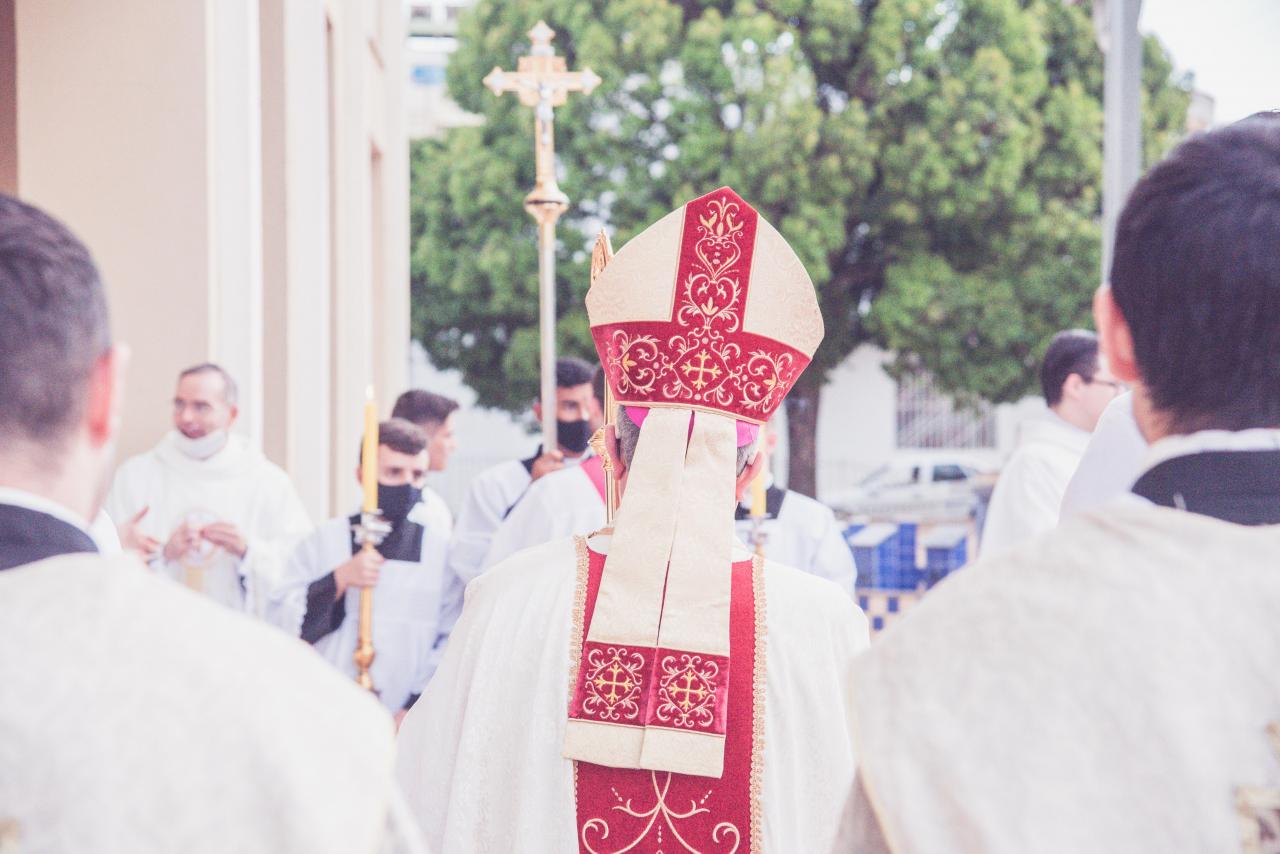
What does the word "Catholic" mean?
Posted by Luke J. Wilson on 8th March 2021 in Etymology | catholic,church fathers,church history,etymology,roman catholic,eastern orthodox,Great Schism,Muratorian Fragment
For many people today, non-Christians and (low church) Christians alike, when they hear the word “Catholic”, certain images spring to mind: the Pope, the rosery, Catholic school, big old churches buildings, choirboys, maybe monks or statues of Mary even; and sadly more recently, sex abuse scandals.
But, generally speaking, all of these are actually aspects of Roman Catholicism — a particular branch of Christianity, and not what the word “catholic” truly means as we’ll see when examining how the early church used the word and what the original Greek word means.
καθολικός (katholikos)
The Greek word where we get the English word “c...
Debunking the Myth: The Council of Nicaea and the Formation of the Biblical Canon
Posted by Luke J. Wilson on 20th November 2023 in Early Church | church history,council of nicaea,myths,debunked,canon,biblical canon
A myth that never seems to fade away: the idea that the Council of Nicaea, convened in 325 AD under the authority of Roman Emperor Constantine, played a pivotal role in establishing the Biblical canon. This notion suggests a conspiracy and power play orchestrated by a select group of elite bishops; a narrative popularised by works like Dan Brown’s Da Vinci Code. However, a closer examination reveals a lack of historical basis for this claim.
The Council of Nicaea and the Canon
Contrary to popular belief, there is no evidence that the Council of Nicaea discussed or established the Canon of Scripture, leading to the creation of the Bible. Early Christian cano...
Powered by WebBoss.io 3.7.1
Copyright © 2026 The Sacred Faith: Timeless Truths for Modern Minds. All Rights Reserved.
