Blog Search Results


171 results for good people
found
within the Blog
6 displayed out of 171 (0.31seconds)Page 27 of 29
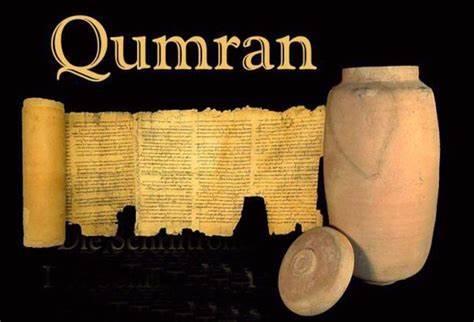
Did the Qumran community predict the coming of Jesus?
Posted by Luke J. Wilson on 28th April 2015 in General Interest | Qumran,Dead Sea Scrolls,Messianic,4Q521,prophecy,Christ
I'm going to start a new category here for "General Interest" which will be for things I see or read about that I think are interesting or informative about the Bible, Christianity or the Faith in general; but which aren't necessarily topics I could, or would need to, write a full blog post about.
I'll kick off this new venture with an brief look at something I read the other day from the Dead Sea scrolls which is very interesting – Qumran text 4Q521. It gives us a glimpse of early Jewish expectations of the coming Messiah from the time before Jesus arrived, and shows just how Jesus did actually meet those expectations.
For example, when John asks his disci...
God before ages becomes an infant!
Posted by Luke J. Wilson on 25th December 2015 in Christmas | Christmas,Nativity,Birth of Jesus,A capella,John Chrysostom
I saw a beautifully sung a capella song the other day of Facebook. It was about the Nativity, the incarnation of Christ. One of the lines in the song really struck me, the profound nature of what God did summed up in a single sentence:
Glorify, with the angels and the shepherds, Him who by His own will has become a newborn child, yet is our God before all ages.
Let that sink in for a moment before reading this excerpt from one of John Chrysostom's sermons on Christmas (something else I saw shared on Facebook which I think sums up this day in better words than I could muster):
"What shall I say! And how shall I describe this Birth to you? For this wo...
Immanuel, God with us
Posted by Luke J. Wilson on 19th December 2016 in Christmas | christmas,xmas,nativity,book,David H. Petersen,author,God With Us,Immanuel,Bethlehem,house of bread,bread of life
I had been thinking about what to write this coming Christmas time, when I came across this quote the other day. I thought it sufficient enough, rather than go into a long theological treatise! So without further ado, here is a quote/excerpt by David H. Petersen, author of God With Us:
“The Savior is born unto you in Bethlehem, the house of bread, on earth. It is no coincidence that He lacked a crib and was placed instead into a feeding trough. He was born unto you to be bread: bread for beasts, bread for wolves, and bread for sheep. He comes in His body to feed you into life, to slake your thirst, to satisfy your soul. He is put into a manger, not only b...
Lent: Day 2 - Mathetes to Diognetus, pt. 1
Posted by Luke J. Wilson on 3rd March 2017 in Lent | Lent,great lent,fasting,early church fathers,devotional,daily reading,epistle of mathetes to diognetus
Day two: Epistle of Mathetes to Diognetus: Chaps. 1-6
Who: Anonymous author, “mathetes” is not a name, but is the Greek word for “a disciple”
What: possibly one of the earliest examples of a Christian apologetic defending the faith from its accusers, written to someone interested in learning more about the faith and its customs
Why: The Christian faith was under attack and ridicule in the early centuries, many things about the Church were misunderstood and so various Christians took to writing apologetic's (defences) to clarify doctrines and beliefs from being maligned.
When: Estimated between AD 130 and late 2nd century
I've only ever come acros...
Lent: Day 6 - Ignatius to the Magnesians
Posted by Luke J. Wilson on 7th March 2017 in Lent | Lent,great lent,fasting,early church fathers,devotional,daily reading,Ignatius,Ignatius of Antioch: Letter to the Magnesians
Day Six: St. Ignatius of Antioch: Letter to the Magnesians (full text)
Who: Ignatius converted at a young age and later became Bishop of Antioch. A friend of Polycarp and fellow disciple of John, there is a long standing tradition that Ignatius was the child that Jesus held in his arms and blessed in Mark 10:13-16
What: Ignatius urges the church to continue in unity, to honour their leadership and to avoid Judaizers who may try to bring false teaching. This letter also gives some valuable insight to early church hierarchy.
Why: Ignatius wrote a series of letters to the churches in Asia Minor whilst en route to Rome to face martyrdom by wild beasts in the Col...
Lent: Day 8 - Ignatius to the Romans
Posted by Luke J. Wilson on 9th March 2017 in Lent | Lent,great lent,fasting,early church fathers,devotional,daily reading,Ignatius,Ignatius of Antioch: Letter to the Romans,martyrdom
Day Eight: St. Ignatius of Antioch: Letter to the Romans (full text)
Who: Ignatius converted at a young age and later became Bishop of Antioch. A friend of Polycarp and fellow disciple of John, there is a long standing tradition that Ignatius was the child that Jesus held in his arms and blessed in Mark 10:13-16
What: A challenging letter in which Ignatius pours himself out to the Roman church about his impending martyrdom.
Why: Ignatius wrote a series of letters to the churches in Asia Minor whilst en route to Rome to face martyrdom by wild beasts in the Colosseum around 108 AD.
When: Around 107-108 AD
On reading the introduction to this letter my first th...
Powered by WebBoss.io 3.7.1
Copyright © 2026 The Sacred Faith: Timeless Truths for Modern Minds. All Rights Reserved.