
Blog Search Results


211 results for theology
found
within the Blog
6 displayed out of 211 (0.05seconds)Page 28 of 36

Does The UN Statue Resemble The End Times Beast From Daniel And Revelation?
Posted by Luke J. Wilson on 15th December 2021 in Eschatology |
There’s been a lot of fuss on the internet lately about this new statue that the UN has erected outside their headquarters on the Visitor’s Plaza.
I’ve seen screenshots of the original tweet shared on Facebook and other social media platforms, as well as copious articles flooding my newsfeed, all suggesting the same thing: this is the beast from Daniel 7. This of course carries with it the implication that it is also a fulfilment of that prophecy and therefore we should expect something more to happen soon, like “the antichrist” to rise up and consume the world. Or something along those lines. I don’t follow the Dispensational “end times” view a...
Palm Sunday and the End Times
Posted by Luke J. Wilson on 2nd April 2023 in Eschatology | eschatology,end times,palm sunday
It’s not often we read the text of the triumphant entry into Jerusalem as an eschatological text thinking about the return of Christ. Especially as at this point the in the Gospel narratives, Jesus is on earth in his first coming, and still a week away from his crucifixion!
While the texts usually read across the world on Palm Sunday may be familiar to us (Luke 19:28–40), we might miss the connection with the preceding parables if we don’t read the whole of Luke 19 together.
I won’t quote everything here, as you can read the whole text for yourself, but the pertinent verses come from the Parable of the Ten Minas in verses 11–27:
Luke 19:11, 27As the...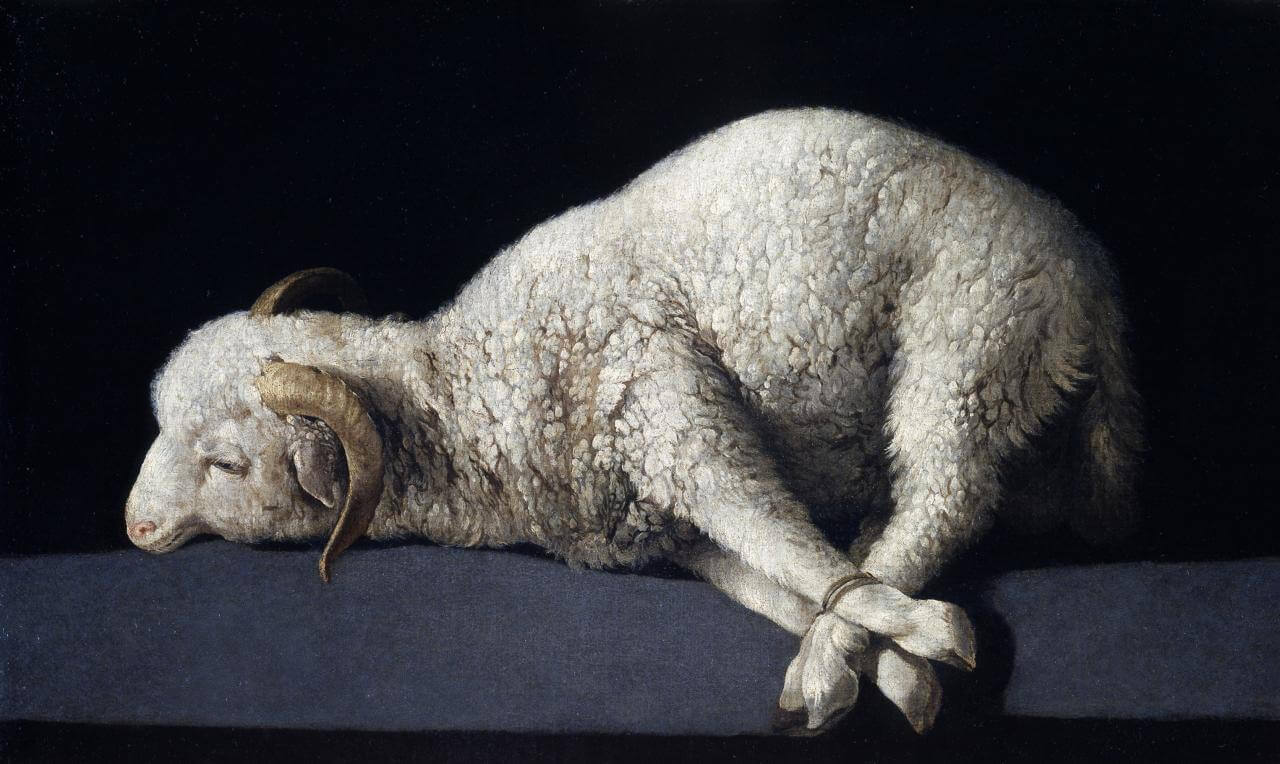
How was Jesus a sacrifice?
Posted by Luke J. Wilson on 25th March 2018 in Lent | sacrifice,sabbath,crucifixion,passover lamb,paschal lamb,sin,death,Palm Sunday
So often we hear this phrase said about Jesus, that he was “the lamb of God” and that he “takes away the sins of the world” — but what do those things mean and how did he take away sin?
John 1:29The next day [John] saw Jesus coming toward him and declared, “Here is the Lamb of God who takes away the sin of the world! (cf. Jn 1:36)
The New Testament writers repeatedly refer to Jesus as a lamb; but not only that — as a ransom too. Jesus even introduces himself that way at one point:
Mark 10:45
For the Son of Man came not to be served but to serve, and to give his life a ransom for many. (cf. Matthew 20:28)
To better understand the termi...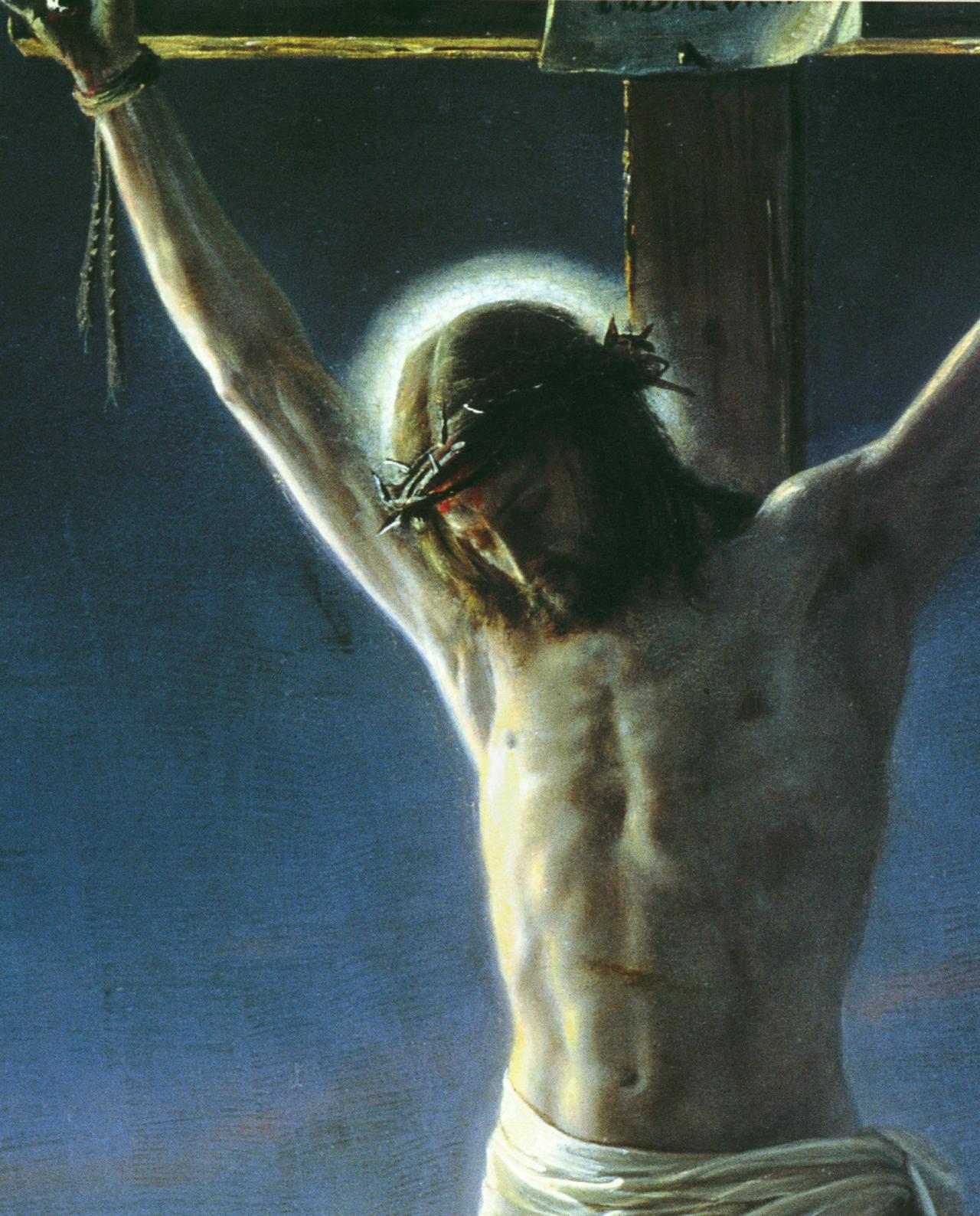
7 Ways Jesus Reverses the Curse From Eden
Posted by Luke J. Wilson on 8th April 2023 in Easter | Easter,crucifixion,gospel,kingdom of god,curse,genesis,creation
Everything about the Kingdom of God is a reversal of worldly powers (servant leadership, first shall be last, etc.). God’s ways are opposed to the World’s ways.
Likewise, everything about the Gospel is a reversal of what went wrong in the beginning of creation and nowhere is this highlighted more than during the Passion, crucifixion and resurrection of Jesus. So here are seven ways in which Jesus reverses all the mistakes and curses from creation.
1. The disobedience in the Garden of Eden is now rectified by the obedience of Jesus in the Garden of Gethsemane.
Genesis 3:11Have you eaten from the tree of which I commanded you not to eat?
Luke 22:42...
Understanding The New Testament: Inspiration, Canonisation, And Historical Context
Posted by Luke J. Wilson on 23rd December 2023 in Early Church | Inspiration,Scripture,early church,early church fathers,islam,Bible
A common modern perception of the inspiration of Scripture often portrays it as a rigid, divine dictation of words from God to be written down verbatim. This perspective leads to concerns among some religious communities, such as Muslims, who view any alteration or addition to the text as a potential threat to the entire faith. The Islamic understanding of inspiration emphasises direct and unalterable divine dictation, contributing to their scepticism of multiple Bible translations, which they falsely label as “corruption”.
In contrast, the Biblical inspiration of the Scriptures has never been viewed as a literal divine dictation, as if the apostles were un...
Why Read The Early Church Fathers?
Posted by Luke J. Wilson on 8th December 2017 in Early Church | church history,daily devotional,daily reading,early church,early church fathers,new book,amazon
Why read the Early Church Fathers?
Maybe for some of you reading this, the question might better be phrased as: who are the Church Fathers?
No doubt you will be familiar with some of their names: Augustine, Jerome, Clement, Ignatius, Polycarp, Justin Martyr et al. You may have even read portions or quotes by some of these men. But that still doesn't really explain to you who they are and why you should care, much less actually read any of their works.
My new book deals with a selection of some of the most influential Early Church Fathers, sometimes also referred to as the Apostolic Fathers (if they lived between AD 70-150), or collectively as the Ante Nicene...
Powered by WebBoss.io 3.7.1
Copyright © 2026 The Sacred Faith: Timeless Truths for Modern Minds. All Rights Reserved.
