
Blog Search Results


Did you mean:
athanasius
?
27 results for Athanasius
found
within the Blog
6 displayed out of 27 (0.76seconds)Page 3 of 5

God from God: The Eternal Son in the Crib
Posted by Luke J. Wilson on 13th December 2025 in Christmas | advent,incarnation,xmas,christmas
...ated. But Athanasius, Augustine, Justin Martyr, and others stressed:
“begotten” is relational — not temporal
the begetting is eternal — outside time
Wisdom existed before creation
God has never been without His Wisdom — therefore never without His Son
To say “Wisdom was begotten” is not to say “Wisdom began to exist,” but rather “Wisdom eternally comes from the Father.”
Before creation began, before the ages existed, before time itself, the Son was begotten — not as a creature coming into being, but as one who eternally shares the Father’s nature.
This is why the Nicene Creed adds:
Begotten of the Fathe...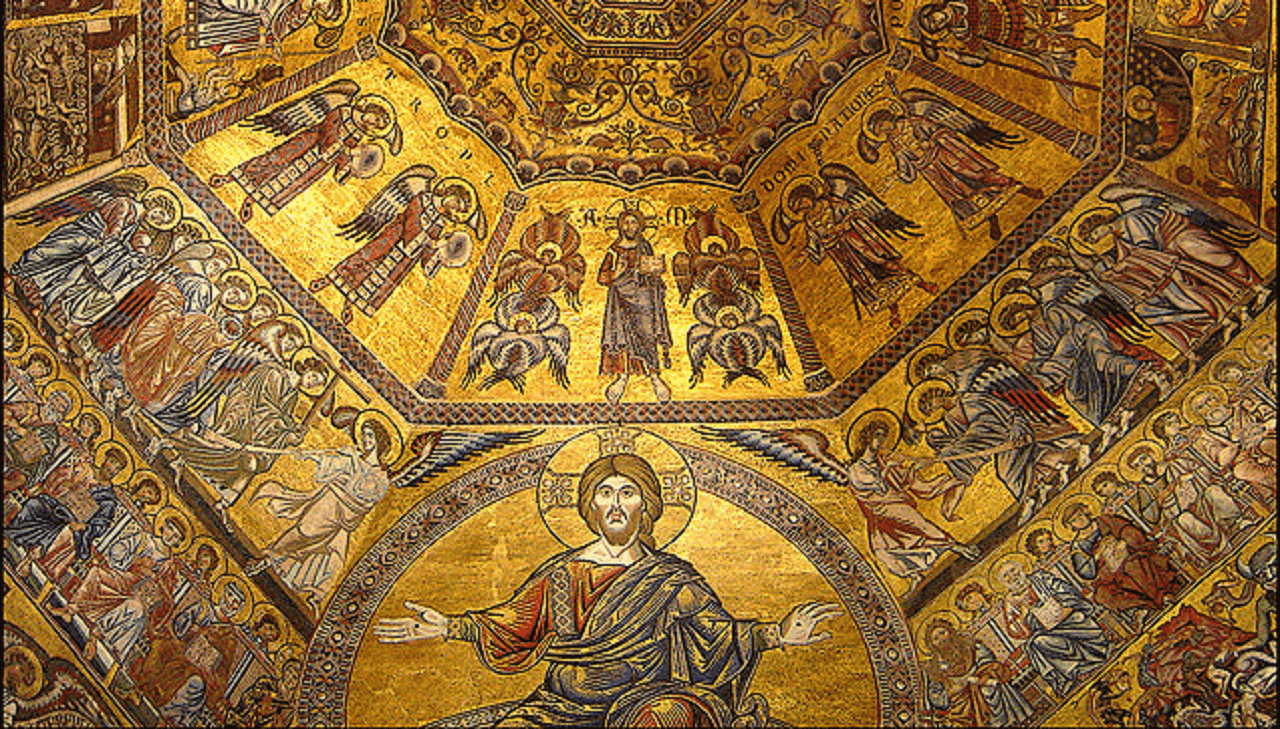
What are the Seraphim, and was the devil one of them?
Posted by Luke J. Wilson on 23rd April 2020 in Angels | devil,satan,angels,seraphim,heaven
...nthony by Athanasius. It’s a biography of the founder of desert monasticism written around AD 356–362. See links below:
https://youtu.be/dY5nIMlSOdg
https://patristics.info/page/Athanasius-life-of-anthony.html...
Unveiling the Trinity: Exploring the Nature of Jesus and the Incarnation
Posted by Luke J. Wilson on 4th November 2023 in Trinity | trinity,incarnation,two powers in heaven
..., such as Athanasius, emphasised the divinity of Christ and His role in the economy of salvation.
Genesis 1:1, 3
"In the beginning, God created the heavens and the earth. … Then God said, 'Let there be light,' and there was light."
In Genesis, God's creative act through His spoken word underscores the creative power of the Word. Early theologians like Tertullian, who coined the term "Trinity," and later scholars, such as Augustine, explored the concept of the Triune God.
Psalms 33:6
"The heavens were made by the word of the LORD, and all the stars, by the breath of His mouth."
This verse highlights the creative power of God's Word, which aligns w...
Great Lent: The Season of Fasting
Posted by Luke J. Wilson on 13th February 2016 in Lent | Lent,Easter,Fasting,Prayer,early church,early church fathers,paganism,pagan roots
...fasting. Athanasius had a custom of writing his "paschal (Easter) letters" to the churches at this time of year to give encouragement for fasting and self-control and moderation, linking the 40 days to the length of Jesus' fast in the desert. His letters are useful as they show quite clearly that the time of Lent and Easter have been established for many centuries in the Church and are nothing to do with paganism!
The beginning of the fast of forty days is on the fifth of the month Phamenoth [Ash Wednesday]; and when, as I have said, we have first been purified and prepared by those days, we begin the holy week of the great Easter on the tenth of the month...
Does Easter Have Pagan Origins?
Posted by Luke J. Wilson on 22nd March 2021 in Easter | Easter,easter sunday,early church,church history,paganism,pagan roots,Ishtar,Eostre,fertility goddess
...fasting. Athanasius had a custom of writing his “paschal (Easter) letters” to the churches at this time of year to encourage fasting, self-control and moderation, linking the 40 days to the length of Jesus’ fast in the desert. His letters are useful as they show quite clearly that the time of Lent and Easter has been established for many centuries in the Church, and have nothing to do with paganism as they predate any Anglo-Saxon or German goddess by about 600 years (if they even existed)!
The beginning of the fast of forty days is on the fifth of the month Phamenoth [Ash Wednesday]; and when, as I have said, we have first been purified and prepared by...
From Dust to Redemption: The Meaning of Ash Wednesday
Posted by Luke J. Wilson on 5th March 2025 in Lent |
...Christ.
Athanasius, the great bishop of Alexandria, regularly wrote paschal (Easter) letters to the churches to encourage fasting, self-control, and moderation during this period. His writings provide valuable insight into how Lent was observed in the early Church and confirm that the practice was well established long before later claims that it had pagan origins. In one of his letters, written around AD 332, he describes the structure of the Lenten fast:
The beginning of the fast of forty days is on the fifth of the month Phamenoth [Ash Wednesday]; and when, as I have said, we have first been purified and prepared by those days, we begin the holy week of th...
Powered by WebBoss.io 3.7.1
Copyright © 2026 The Sacred Faith: Timeless Truths for Modern Minds. All Rights Reserved.
