
Blog Search Results


14 results for canon
found
within the Blog
2 displayed out of 14 (0.02seconds)Page 3 of 3

Understanding The New Testament: Inspiration, canonisation, And Historical Context
Posted by Luke J. Wilson on 23rd December 2023 in Early Church | Inspiration,Scripture,early church,early church fathers,islam,Bible
...God.
The canonisation of the New Testament was not a straightforward process. The authority of the authors played a crucial role, and texts were included based on their ability to teach the fullness of salvation and faith. Noteworthy texts, like the Didache, were highly regarded, read, and taught to new converts but did not meet the specific criteria for canonisation. The canon was a dynamic concept, and some New Testament books faced scepticism before gaining widespread acceptance.
These texts were known as “antilegomena” (from Greek ἀντιλεγόμενα) literally meaning “spoken against”. In the Early Church, the antilegomena enjoyed widespread...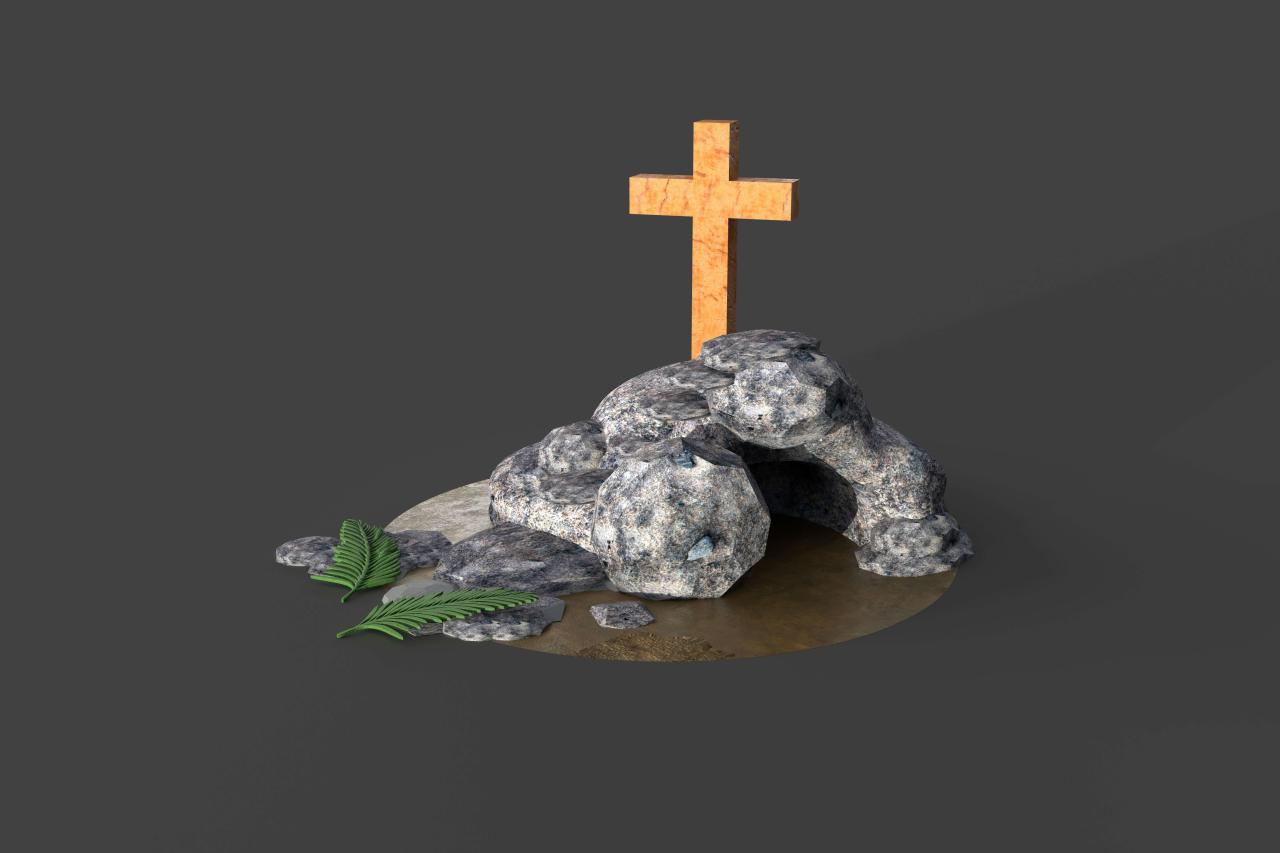
Does Easter Have Pagan Origins?
Posted by Luke J. Wilson on 22nd March 2021 in Easter | Easter,easter sunday,early church,church history,paganism,pagan roots,Ishtar,Eostre,fertility goddess
...Much like any major Christian holiday, there are the usual arguments and accusations about how it’s all just pagan festivities with a “Christian mask”. Easter is no different, and usually gets hit the hardest over its so-called “pagan roots”, or in the month or so preceding it, Lent being some “invention of the Catholic Church”.
Table of Contents
The Lenten Fast
The Easter controversy and why we celebrate it when we do
Is the Name “Easter” really the Anglo-Saxon goddess Eostre?
Chocolate eggs and bunnies?
Concluding Thoughts
Further Reading and Sources
I like to try and observe Lent, as it is one of the most ancient custom...
Powered by WebBoss.io 3.7.1
Copyright © 2026 The Sacred Faith: Timeless Truths for Modern Minds. All Rights Reserved.
