
Blog Search Results


28 results for council of nicaea
found
within the Blog
6 displayed out of 28 (0.59seconds)Page 3 of 5

Will UK councils Criminalise Christianity? The Alarming Precedent Set by a Labour council
Posted by Luke J. Wilson on 22nd November 2025 in Persecution | news,current events,persecution,United Kingdom
Every now and then something happens in this country that feels small on the surface but carries a deeper spiritual weight beneath it. In this case it comes from a Labour council just outside of London when in March of this year, Rushmoor Borough council attempted to criminalise Christian street preaching. The injunction has thankfully been paused (for now) as Christians rallied, prayed, and pushed back. But the implications of what nearly happened, and could still happen, should give all of us pause.
Because once one council tries something like this, others start paying attention. A precedent has been set — not necessarily in law, but in what could be....
Does Easter Have Pagan Origins?
Posted by Luke J. Wilson on 22nd March 2021 in Easter | Easter,easter sunday,early church,church history,paganism,pagan roots,Ishtar,Eostre,fertility goddess
Much like any major Christian holiday, there are the usual arguments and accusations about how it’s all just pagan festivities with a “Christian mask”. Easter is no different, and usually gets hit the hardest over its so-called “pagan roots”, or in the month or so preceding it, Lent being some “invention of the Catholic Church”.
Table of Contents
The Lenten Fast
The Easter controversy and why we celebrate it when we do
Is the Name “Easter” really the Anglo-Saxon goddess Eostre?
Chocolate eggs and bunnies?
Concluding Thoughts
Further Reading and Sources
I like to try and observe Lent, as it is one of the most ancient custom...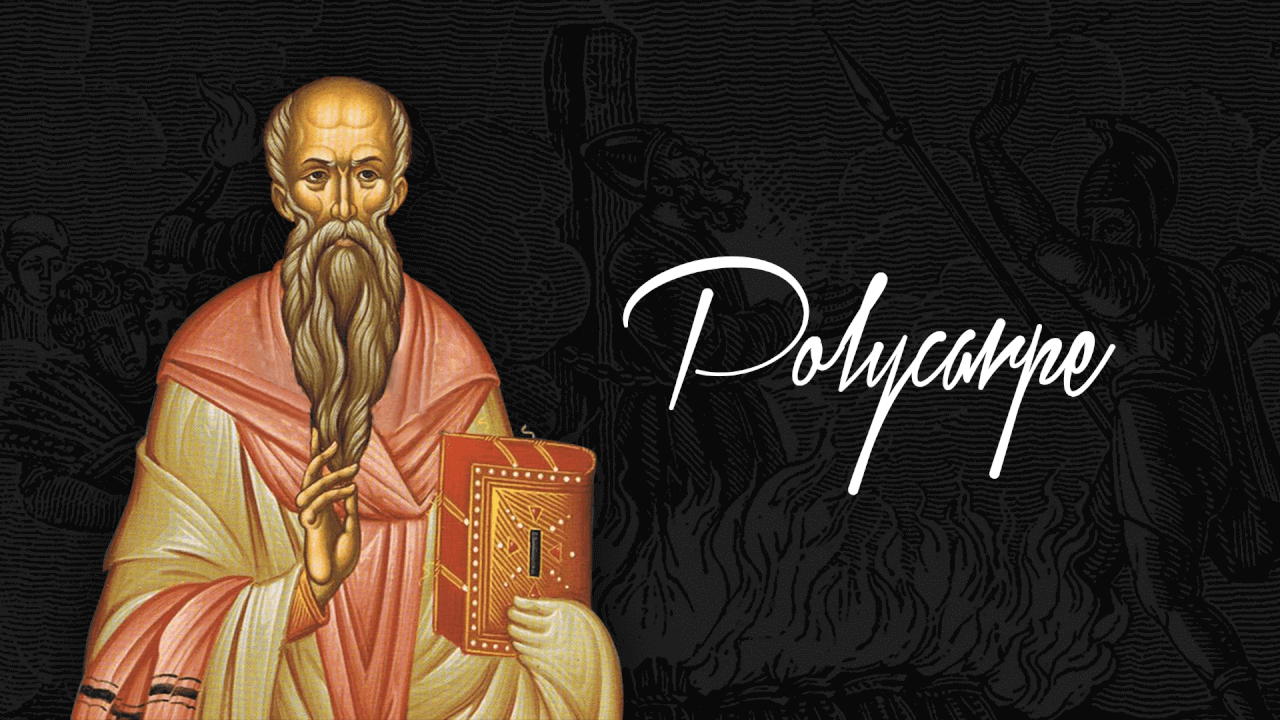
How Polycarp (And Others) Show The Early Use of The New Testament
Posted by Luke J. Wilson on 21st November 2021 in Early Church | early church,early church fathers,polycarp,new testament,canon,biblical canon
Polycarp is one of the most important people in early church history. He was a disciple of John the Evangelist, and later became the bishop of Smyrna.
Polycarp was born around 69 A.D. in Smyrna, which is now modern-day Turkey. He grew up during a time when Christians were being persecuted for their beliefs, and he himself became a Christian at a young age. Polycarp is regarded as one of the earliest church fathers because he had a significant impact on Christianity as it spread throughout Asia Minor and Europe, and he also played an important role in shaping biblical canon for centuries to come.
We don’t know a great deal about his life, apart from t...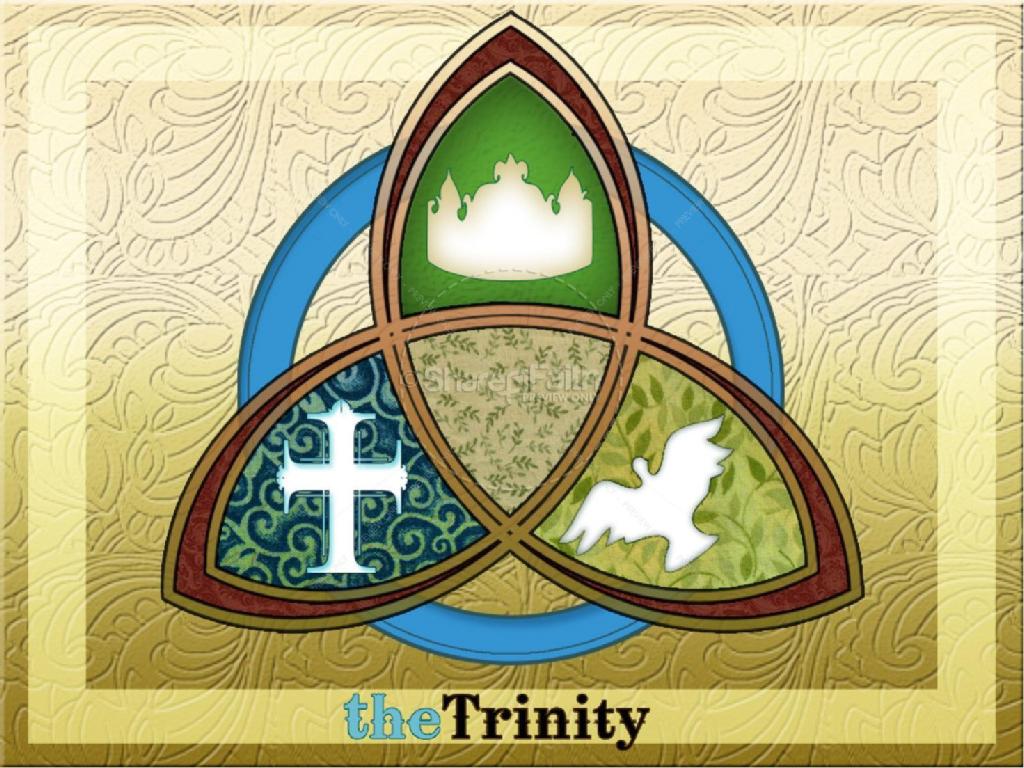
The Battle for the Trinity: Historical Heresies and Church Defences
Posted by Luke J. Wilson on 1st July 2024 in Trinity | trinity,heresy,heretics,theology,creeds
The Trinity is a cornerstone of Christian faith, defining God as one Being in three Persons: Father, Son, and Holy Spirit. However, throughout history, various misunderstandings and false teachings — known as heresies — have arisen, challenging this core doctrine. Understanding these heresies can strengthen our faith and deepen our appreciation for the truths held by the Church since its earliest days.
What Is the Trinity?
Before diving into the heresies, let’s briefly review what we mean by the Trinity. The Christian doctrine of the Trinity teaches that God is one essence in three distinct Persons:
The Father: The Creator and sustainer of al...
God from God: The Eternal Son in the Crib
Posted by Luke J. Wilson on 13th December 2025 in Christmas | advent,incarnation,xmas,christmas
How can God beget a Son? Does that mean Jesus is His creation?
This question comes sharply into focus during Advent, when the Church contemplates the Incarnation: the eternal Son entering the world as a baby in Mary’s womb. And to understand this, we turn to language the Church has treasured for centuries — especially that crucial distinction between begotten and created.
And C. S. Lewis describes this with a real concise clarity:
We don’t use the words begetting or begotten much in modern English, but everyone still knows what they mean. To beget is to become the father of: to create is to make. And the difference is this. When you beget, you beget...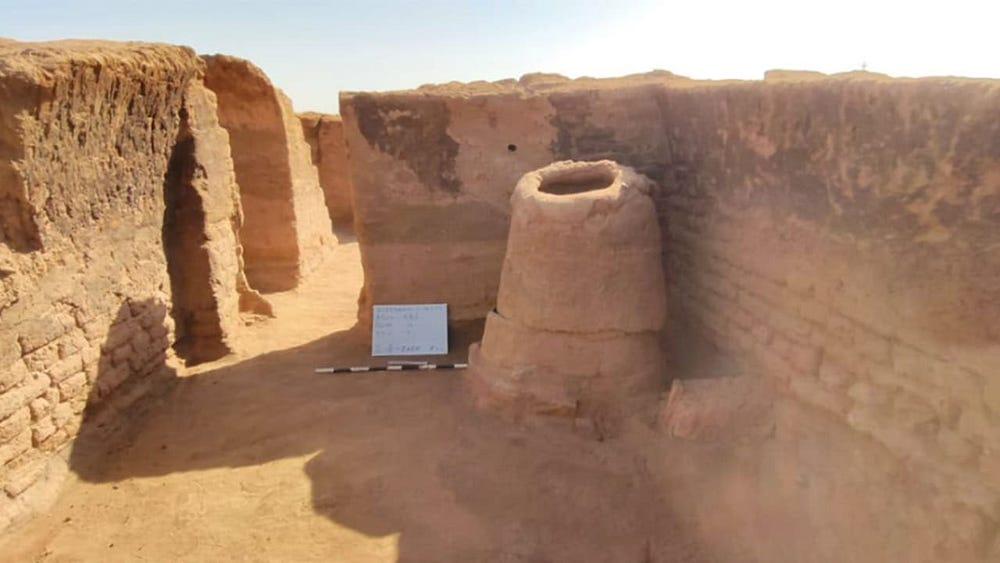
A City In The Sand: What A Fourth-Century Discovery In Egypt’s Western Desert Tells Us About The Early Church
Posted by Luke J. Wilson on 27th July 2026 in Archaeology | archaeology,early church,history
In early July 2026, Egypt’s Ministry of Tourism and Antiquities announced something pretty amazing: an entire Byzantine-era city, buried beneath the sands of the Dakhla Oasis, had been uncovered almost intact! Streets, homes, bread ovens, a fortress, and at its heart, a fourth-century basilica church.
That might not seem very exciting on first glance. But this find deserves a closer look, because it puts flesh on something we usually only encounter in the abstract: what it actually looked like when Christianity took root, house by house, in an ordinary town far from the centres of imperial power.
What Was Found
The excavation, carried out by an Egy...
Powered by WebBoss.io 3.7.1
Copyright © 2026 The Sacred Faith: Timeless Truths for Modern Minds. All Rights Reserved.
