
Blog Search Results


Did you mean:
bucharest
?
19 results for eucharist
found
within the Blog
6 displayed out of 19 (0.55seconds)Page 3 of 4

Did a Roman Catholic priest perform 'invalid' baptisms for years?
Posted by Luke J. Wilson on 21st February 2022 in Roman Catholicism | early church,early church fathers,Donatism,baptism,Vatican
You may have seen in the news lately, a Roman Catholic priest in Arizona, USA, has apparently performed “invalid” baptism for years, well over a decade, even.
Due to this, now thousands of people are stressing about whether their baptism counted or if they need to be re-baptised due to the error by Rev. Andres Arango! This has caused concern over the other sacraments these people have partaken in since their baptism, such as the eucharist, and whether they should have even been allowed it. The Diocese of Phoenix is trying to identify people baptised by Arango so that they can track them down for re-baptism (and possibly, re-confirmation and whatever other r...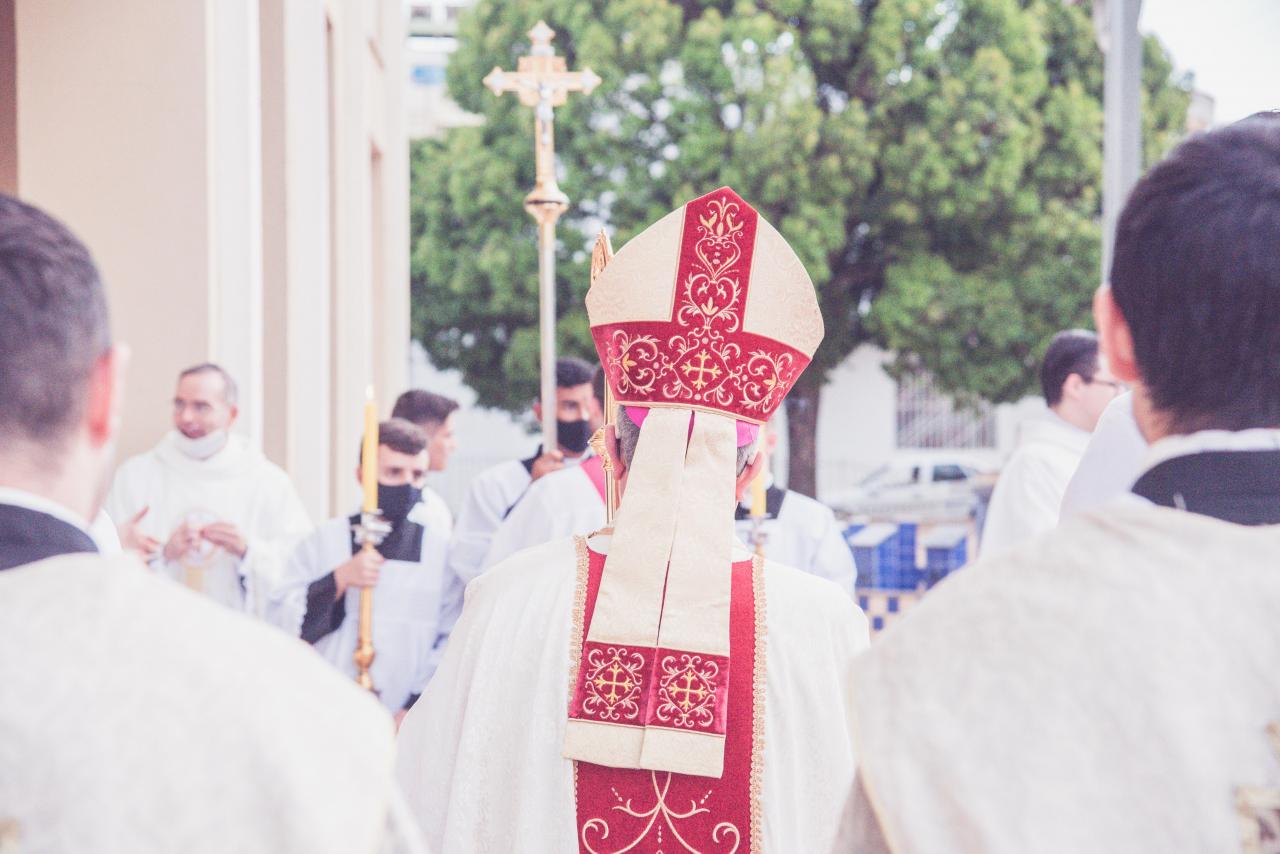
What does the word "Catholic" mean?
Posted by Luke J. Wilson on 8th March 2021 in Etymology | catholic,church fathers,church history,etymology,roman catholic,eastern orthodox,Great Schism,Muratorian Fragment
For many people today, non-Christians and (low church) Christians alike, when they hear the word “Catholic”, certain images spring to mind: the Pope, the rosery, Catholic school, big old churches buildings, choirboys, maybe monks or statues of Mary even; and sadly more recently, sex abuse scandals.
But, generally speaking, all of these are actually aspects of Roman Catholicism — a particular branch of Christianity, and not what the word “catholic” truly means as we’ll see when examining how the early church used the word and what the original Greek word means.
καθολικός (katholikos)
The Greek word where we get the English word “c...
From Paradise to Presents: The Christian Story Behind the Christmas Tree
Posted by Luke J. Wilson on 23rd December 2024 in Christmas | history,St Boniface,christmas,christmas tree
The Christmas tree is one of the most recognisable symbols of the festive season, adorning homes, churches, and public spaces with its evergreen beauty. But where did this tradition originate, and how did it become a central feature of Christmas celebrations? Looking into the history of the Christmas tree has turned out to be a fascinating historical story woven from various cultural and theological strands.
The Paradise Tree and the Feast of Adam and Eve
The connection between the Christmas tree and the Feast of Adam and Eve offers a large clue into its origins. In medieval Europe, December 24th was observed as the feast day of Adam and Eve, a commemoration t...
Does Easter Have Pagan Origins?
Posted by Luke J. Wilson on 22nd March 2021 in Easter | Easter,easter sunday,early church,church history,paganism,pagan roots,Ishtar,Eostre,fertility goddess
Much like any major Christian holiday, there are the usual arguments and accusations about how it’s all just pagan festivities with a “Christian mask”. Easter is no different, and usually gets hit the hardest over its so-called “pagan roots”, or in the month or so preceding it, Lent being some “invention of the Catholic Church”.
Table of Contents
The Lenten Fast
The Easter controversy and why we celebrate it when we do
Is the Name “Easter” really the Anglo-Saxon goddess Eostre?
Chocolate eggs and bunnies?
Concluding Thoughts
Further Reading and Sources
I like to try and observe Lent, as it is one of the most ancient custom...
Lent: Day 10 - Ignatius to the Smyrnaeans
Posted by Luke J. Wilson on 11th March 2017 in Lent | Lent,great lent,fasting,early church fathers,devotional,daily reading,Ignatius,Ignatius to the smyrnaeans
Day Ten: St. Ignatius of Antioch: Letter to the Smyrnaeans (full text)
Who: Ignatius converted at a young age and later became Bishop of Antioch. A friend of Polycarp and fellow disciple of John, there is a long standing tradition that Ignatius was the child that Jesus held in his arms and blessed in Mark 10:13-16
What: A defence against the heresy of Docetism and an intriguing insight into the possible origins of evil spirits!
Why: Ignatius wrote a series of letters to the churches in Asia Minor whilst en route to Rome to face martyrdom by wild beasts in the Colosseum around 108 AD.
When: Around 107-108 AD
The opening chapters of this letter pulls no punc...
Lent Day 32: Cyril of Jerusalem: Catechetical Lectures: Lecture XXI
Posted by Luke J. Wilson on 6th April 2017 in Lent | Lent,great lent,fasting,early church fathers,devotional,daily reading,Doctor of the Church,lectures,liturgy,catechism,Bishop of Jerusalem,anointing,Holy Spirit,chrism
Day Thirty-two: St. Cyril of Jerusalem: Catechetical Lectures: Lecture XXI
Who: Bishop of Jerusalem and Doctor of the Church, born about 315; died probably 18 March, 386. Little is known of his life, except from his younger contemporaries, Epiphanius, Jerome, and Rufinus, as well as from the fifth-century historians, Socrates, Sozomen and Theodoret.
What: Each of the lectures deal with a different topic to teach converts the mysteries of the Church, particularly: rites of the renunciation of Satan and his works, of anointing with oil, of baptism, of anointing with the holy chrism, and of partaking of the body and blood of Christ.
Why: Cyril delivered to new c...
Powered by WebBoss.io 3.7.1
Copyright © 2026 The Sacred Faith: Timeless Truths for Modern Minds. All Rights Reserved.
