
Blog Search Results


37 results for five stars
found
within the Blog
6 displayed out of 37 (0.23seconds)Page 3 of 7

Does Christmas have pagan origins?
Posted by Luke J. Wilson on 19th December 2019 in Christmas | christmas,xmas,origins,pagan,pagan roots,church fathers,church history,Saturnalia,Epiphany,Annunciation,Tertullian,Origen,john chrysostom,incarnation,liturgical calendar,church calendar,festivals
For most people, the question of the origins of Christmas is probably far from their minds. Some may recognise and give a cursory glance towards the Biblical narrative on the birth of Jesus as something to do with it (although a 2017 study showed that almost 1 in 20 Brits thought Easter was the birth of Jesus!);—but in some Christian circles the question (accusation?) that “Christmas is pagan” is at the forefront of their minds.
Table of Contents
When was December 25th celebrated?
The Christian Calendar
Concluding Thoughts
Bonus Information
Further Reading & Sources:
As time goes on and we move further and further into the future,...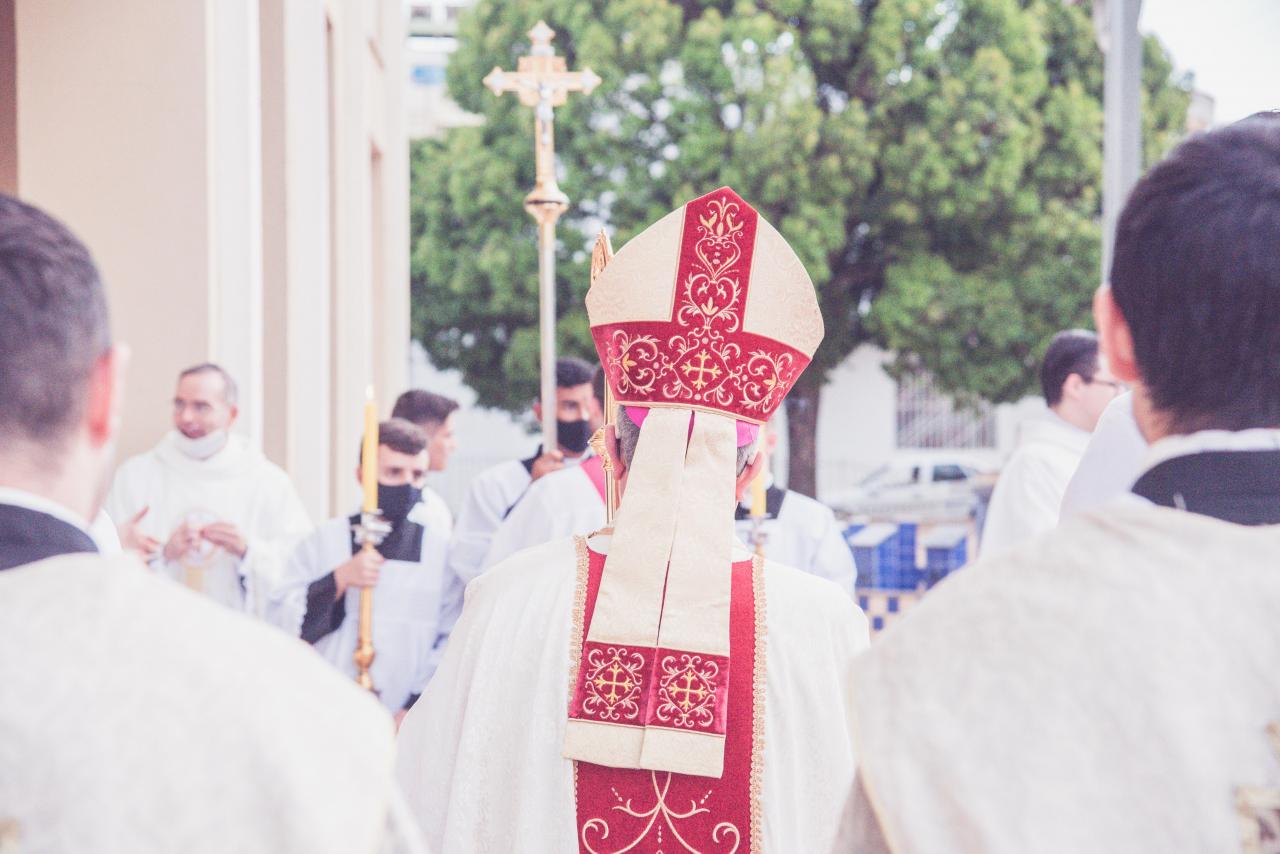
What does the word "Catholic" mean?
Posted by Luke J. Wilson on 8th March 2021 in Etymology | catholic,church fathers,church history,etymology,roman catholic,eastern orthodox,Great Schism,Muratorian Fragment
For many people today, non-Christians and (low church) Christians alike, when they hear the word “Catholic”, certain images spring to mind: the Pope, the rosery, Catholic school, big old churches buildings, choirboys, maybe monks or statues of Mary even; and sadly more recently, sex abuse scandals.
But, generally speaking, all of these are actually aspects of Roman Catholicism — a particular branch of Christianity, and not what the word “catholic” truly means as we’ll see when examining how the early church used the word and what the original Greek word means.
καθολικός (katholikos)
The Greek word where we get the English word “c...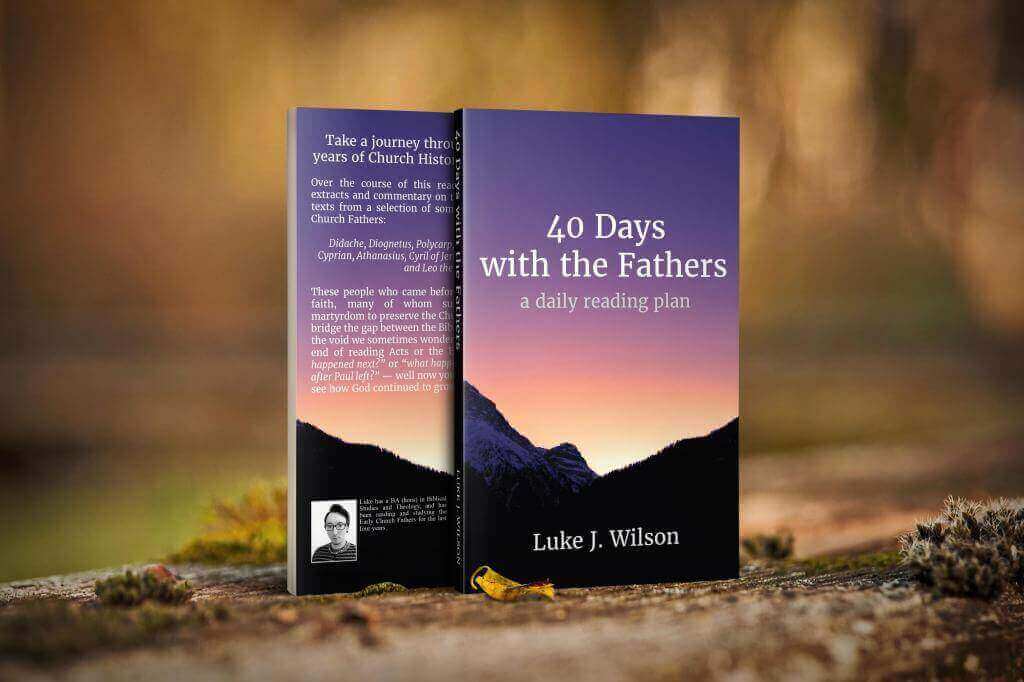
40 Days with the Fathers: Source Texts Companion Book
Posted by Luke J. Wilson on 2nd March 2019 in My Books | church fathers,church history,early church,early church fathers,companion book,40 days,Lent
Available soon will be a companion book that will include all of the source texts in full, which I had hoped to get out in time for Lent, but it’s unlikely to be ready in time this year. So if you have my book and would like to read along each day with the Church Fathers as well, I’ve compiled a list of online sources where you can read the original texts.
If you don’t have the book and would like it, you can order it now from Amazon and still get it in time for Lent by clicking the following link: Amazon.com; or if you would like to pledge some support towards my book writing in return for some nice perks, you can do so on my Patreon page: https://patreo...
Lent Day 21: Athanasius: Life of Anthony: Chaps. 1-10
Posted by Luke J. Wilson on 24th March 2017 in Lent | Lent,great lent,fasting,early church fathers,devotional,daily reading,Athanasius,Bishop of Alexandria,Confessor,Doctor of the Church,Anthony the Great
Day Twenty-one: St. Athanasius: Life of Anthony: Chaps. 1-10
Who: Bishop of Alexandria; Confessor and Doctor of the Church; born c. 296; died 2 May, 373 AD. He was the main defender of orthodoxy in the 4th-century battle against the Arianism heresy. Certain writers received the title “Doctor” on account of the great advantage their doctrine had on the whole Church, Athanasius especially for his doctrine on the incarnation.
What: The biography of Anthony the Great’s life, which helped to spread the concept of Christian monasticism, particularly in Western Europe.
Why: From the letter’s own prologue: “The life and conversation of our holy Father, A...
Lent Day 25: Athanasius: Life of Anthony: Chaps. 41-50
Posted by Luke J. Wilson on 29th March 2017 in Lent | Lent,great lent,fasting,early church fathers,devotional,daily reading,Athanasius,Bishop of Alexandria,Confessor,Doctor of the Church,Anthony the Great,demons,demonology,satan,devil
Day Twenty-five: St. Athanasius: Life of Anthony: Chaps. 41-50
Who: Bishop of Alexandria; Confessor and Doctor of the Church; born c. 296; died 2 May, 373 AD. He was the main defender of orthodoxy in the 4th-century battle against the Arianism heresy. Certain writers received the title “Doctor” on account of the great advantage their doctrine had on the whole Church, Athanasius especially for his doctrine on the incarnation.
What: The biography of Anthony the Great’s life, which helped to spread the concept of Christian monasticism, particularly in Western Europe.
Why: From the letter’s own prologue: “The life and conversation of our holy Father,...
Lent Day 30: Cyril of Jerusalem: Catechetical Lectures: Lecture XIX
Posted by Luke J. Wilson on 4th April 2017 in Lent | Lent,great lent,fasting,early church fathers,devotional,daily reading,Doctor of the Church,lectures,liturgy,catechism,Bishop of Jerusalem
Day Thirty: St. Cyril of Jerusalem: Catechetical Lectures: Lecture XIX
Who: Bishop of Jerusalem and Doctor of the Church, born about 315; died probably 18 March, 386. Little is known of his life, except from his younger contemporaries, Epiphanius, Jerome, and Rufinus, as well as from the fifth-century historians, Socrates, Sozomen and Theodoret.
What: Each of the lectures deal with a different topic to teach converts the mysteries of the Church, particularly: rites of the renunciation of Satan and his works, of anointing with oil, of baptism, of anointing with the holy chrism, and of partaking of the body and blood of Christ.
Why: Cyril delivered to new conve...
Powered by WebBoss.io 3.7.1
Copyright © 2026 The Sacred Faith: Timeless Truths for Modern Minds. All Rights Reserved.
