
Blog Search Results


212 results for part two
found
within the Blog
6 displayed out of 212 (0.18seconds)Page 30 of 36
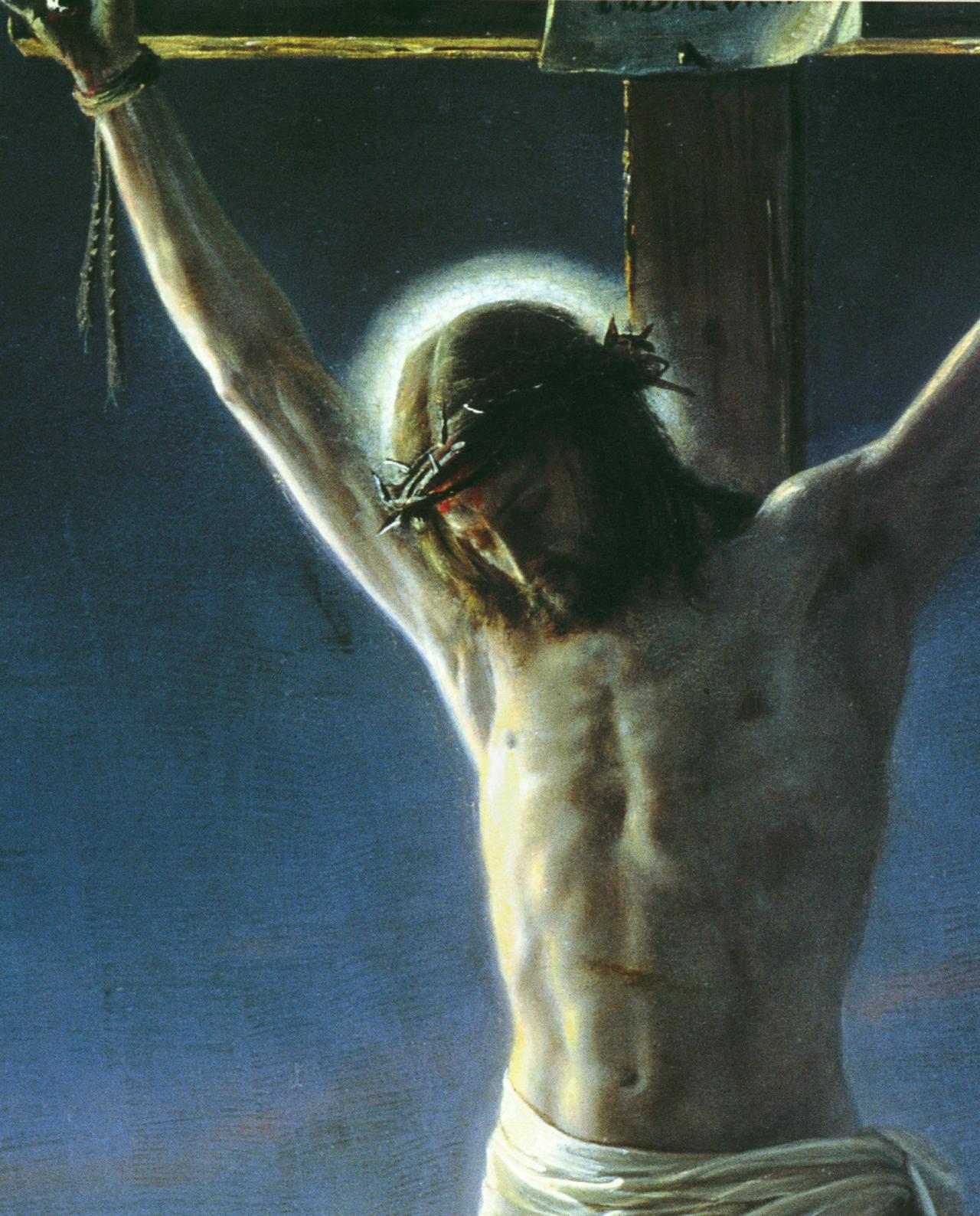
7 Ways Jesus Reverses the Curse From Eden
Posted by Luke J. Wilson on 8th April 2023 in Easter | Easter,crucifixion,gospel,kingdom of god,curse,genesis,creation
Everything about the Kingdom of God is a reversal of worldly powers (servant leadership, first shall be last, etc.). God’s ways are opposed to the World’s ways.
Likewise, everything about the Gospel is a reversal of what went wrong in the beginning of creation and nowhere is this highlighted more than during the Passion, crucifixion and resurrection of Jesus. So here are seven ways in which Jesus reverses all the mistakes and curses from creation.
1. The disobedience in the Garden of Eden is now rectified by the obedience of Jesus in the Garden of Gethsemane.
Genesis 3:11Have you eaten from the tree of which I commanded you not to eat?
Luke 22:42...
Lent: Day 8 - Ignatius to the Romans
Posted by Luke J. Wilson on 9th March 2017 in Lent | Lent,great lent,fasting,early church fathers,devotional,daily reading,Ignatius,Ignatius of Antioch: Letter to the Romans,martyrdom
Day Eight: St. Ignatius of Antioch: Letter to the Romans (full text)
Who: Ignatius converted at a young age and later became Bishop of Antioch. A friend of Polycarp and fellow disciple of John, there is a long standing tradition that Ignatius was the child that Jesus held in his arms and blessed in Mark 10:13-16
What: A challenging letter in which Ignatius pours himself out to the Roman church about his impending martyrdom.
Why: Ignatius wrote a series of letters to the churches in Asia Minor whilst en route to Rome to face martyrdom by wild beasts in the Colosseum around 108 AD.
When: Around 107-108 AD
On reading the introduction to this letter my first th...
Jesus Like You've Never Seen Before - Discoveries from Early Christian Art
Posted by Luke J. Wilson on 13th May 2023 in Archaeology | archaeology,icons,Jesus,history,historical
I recently made a video on TikTok about what Jesus looks like in religious art and icons across various cultures, showing that people see Jesus as relatable to them and their people groups, and thus often depict Jesus looking the same as their own race. There was a comment made claiming that the Christ Pantocrator icon is exactly what Jesus looked like, and thus all others are wrong. If you’re wondering about the icon name, Pantocrator (Greek: Παντοκράτωρ) literally means “ruler of all”, but usually gets translated as “Almighty” or “all-powerful”.
The oldest known icon of Christ Pantocrator,6th-century encaustic icon fromSaint Catheri...
Jesus, Yahweh, And The Power Over The Storm
Posted by Luke J. Wilson on 29th July 2024 in Deity of Christ | Jesus,deity of christ,Yahweh,old testament,elements
Critics of Christianity will often make the claim that Jesus never said he was God or divine in the Gospels. The problem comes when they set unrealistic demands and expectations, like wanting a chapter and verse where Jesus says, “I am God, worship me”. But this isn’t how the Bible works and definitely not how Jesus went about his ministry.
Throughout the Gospels, there are clear connections that reveal the true nature of Jesus in ways that would have been obvious to the Jewish people and leaders of his day who were very familiar with the Torah and other Scriptures we now call the Old Testament. One of the most striking examples is His demonstration of po...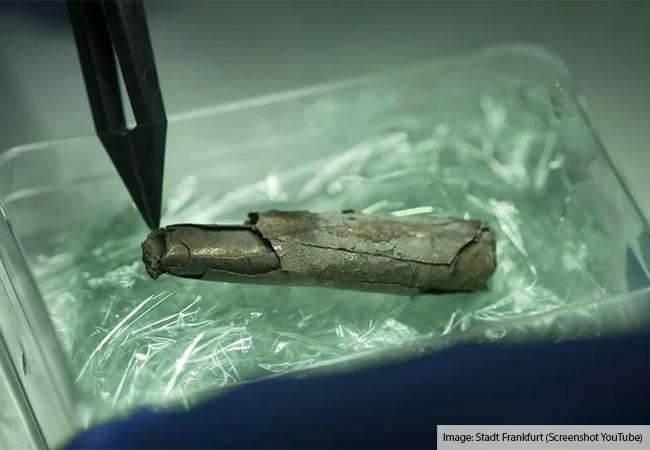
Implications Of The Frankfurt Silver Amulet: Insights Into Early Christian Practice And Belief
Posted by Luke J. Wilson on 6th January 2025 in Archaeology | amulet,liturgy,history,current events,early church
The discovery of an 1,800-year-old silver amulet in Frankfurt, Germany, has captured the attention of archaeologists and theologians alike. Known as the “Frankfurt Silver Inscription,” this artefact is the earliest known evidence of Christianity north of the Alps and serves as a great insight to early Christian theology and liturgical practice.
Its early date (230–270 AD) sets it apart from previously known artefacts, which are at least 50 years younger. While there are historical references to Christian communities in Gaul and Upper Germania during the late 2nd century, reliable material evidence of Christian life in the northern Alpine regions generally...
Lent: Day 10 - Ignatius to the Smyrnaeans
Posted by Luke J. Wilson on 11th March 2017 in Lent | Lent,great lent,fasting,early church fathers,devotional,daily reading,Ignatius,Ignatius to the smyrnaeans
Day Ten: St. Ignatius of Antioch: Letter to the Smyrnaeans (full text)
Who: Ignatius converted at a young age and later became Bishop of Antioch. A friend of Polycarp and fellow disciple of John, there is a long standing tradition that Ignatius was the child that Jesus held in his arms and blessed in Mark 10:13-16
What: A defence against the heresy of Docetism and an intriguing insight into the possible origins of evil spirits!
Why: Ignatius wrote a series of letters to the churches in Asia Minor whilst en route to Rome to face martyrdom by wild beasts in the Colosseum around 108 AD.
When: Around 107-108 AD
The opening chapters of this letter pulls no punc...
Powered by WebBoss.io 3.7.1
Copyright © 2026 The Sacred Faith: Timeless Truths for Modern Minds. All Rights Reserved.
