
Blog Search Results


131 results for great white throne
found
within the Blog
6 displayed out of 131 (0.64seconds)Page 4 of 22

Lent Day 38: Leo the great: Sermon XXI (On the Nativity Feast I)
Posted by Luke J. Wilson on 13th April 2017 in Lent | Lent,great lent,fasting,early church fathers,devotional,daily reading,Doctor of the Church,lectures,Leo the great,St Leo,hypostatic union,deity of christ,Pope Leo I,christology,sermon
Day Thirty-eight: St. Leo the great: Sermon XXI (On the Nativity Feast I)
Who: Leo the great, also known as Pope St. Leo I (the great), was Pope from 440-61 AD. Place and date of birth unknown; died 10 November, 461. Leo's pontificate, next to that of St. Gregory I, is the most significant and important in Christian antiquity, as he tried to combat the heresies which seriously threatened church unity even in the West, such as Pelagianism.
What: A sermon on the Nativity at Christmas time, about the incarnation of the Word of God.
Why: To explain the incarnation and preach the Good News of our Lord and Saviour becoming man for our sake so that we may be sav...
Lent Day 40: Leo the great: Sermon LXXII: ON THE LORD'S RESURRECTION, II
Posted by Luke J. Wilson on 15th April 2017 in Lent | Lent,great lent,fasting,early church fathers,devotional,daily reading,Doctor of the Church,lectures,Leo the great,St Leo,Pope Leo I,sermon,resurrection,easter,easter sunday
Day Forty: St. Leo the great: Sermon LXXII: ON THE LORD'S RESURRECTION, II
Who: Leo the great, also known as Pope St. Leo I (the great), was Pope from 440-61 AD. Place and date of birth unknown; died 10 November, 461. Leo's pontificate, next to that of St. Gregory I, is the most significant and important in Christian antiquity, as he tried to combat the heresies which seriously threatened church unity even in the West, such as Pelagianism.
What: A sermon on the Gospel, incarnation and resurrection of our Lord.
Why: To encourage the Church in the power of the incarnation and the true faith and the nature of Christ and to give a new meaning to Passover in lig...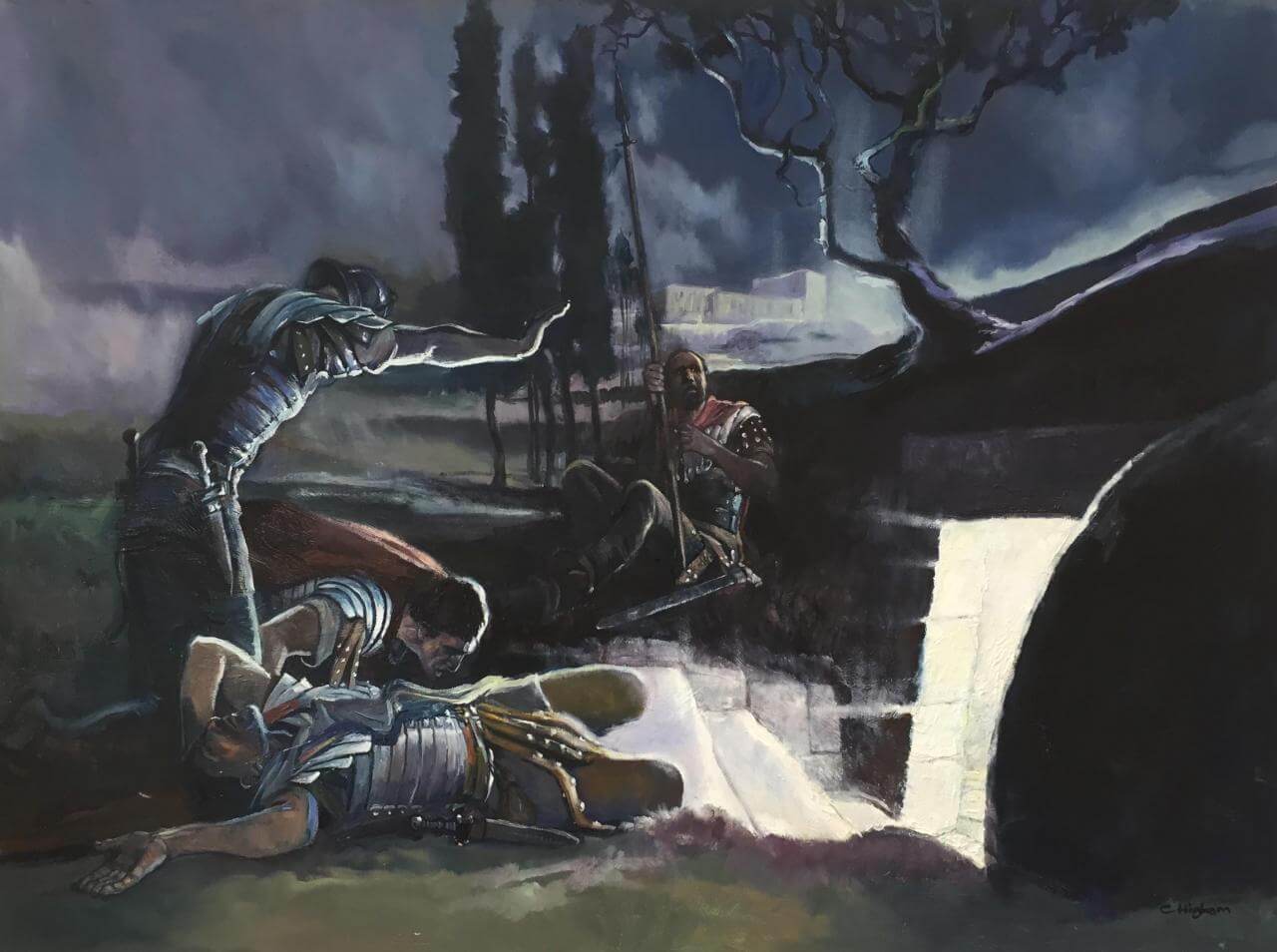
Raised in the Heavenlies!
Posted by Luke J. Wilson on 27th March 2016 in Easter | resurrection,Jesus,new birth,new life,born again,baptism,spiritual resurrection,physical resurrection,glorified bodies,third day,Easter,easter sunday
...n I saw a great white throne and One seated on it. Earth and heaven fled from His presence, and no place was found for them. I also saw the dead, the great and the small, standing before the throne, and books were opened.
This resurrection isn't on earth, or in our old bodies physically coming out of the graves! These are our new, spiritual and glorified bodies which have "grown" from the seed or mortality which were sown in death.
So what is the resurrection? It is a mystery of something which is deeply spiritual, yet also joined in the flesh of renewed bodies. It is hope for our future and peace over death, and encouragement for those who have had people...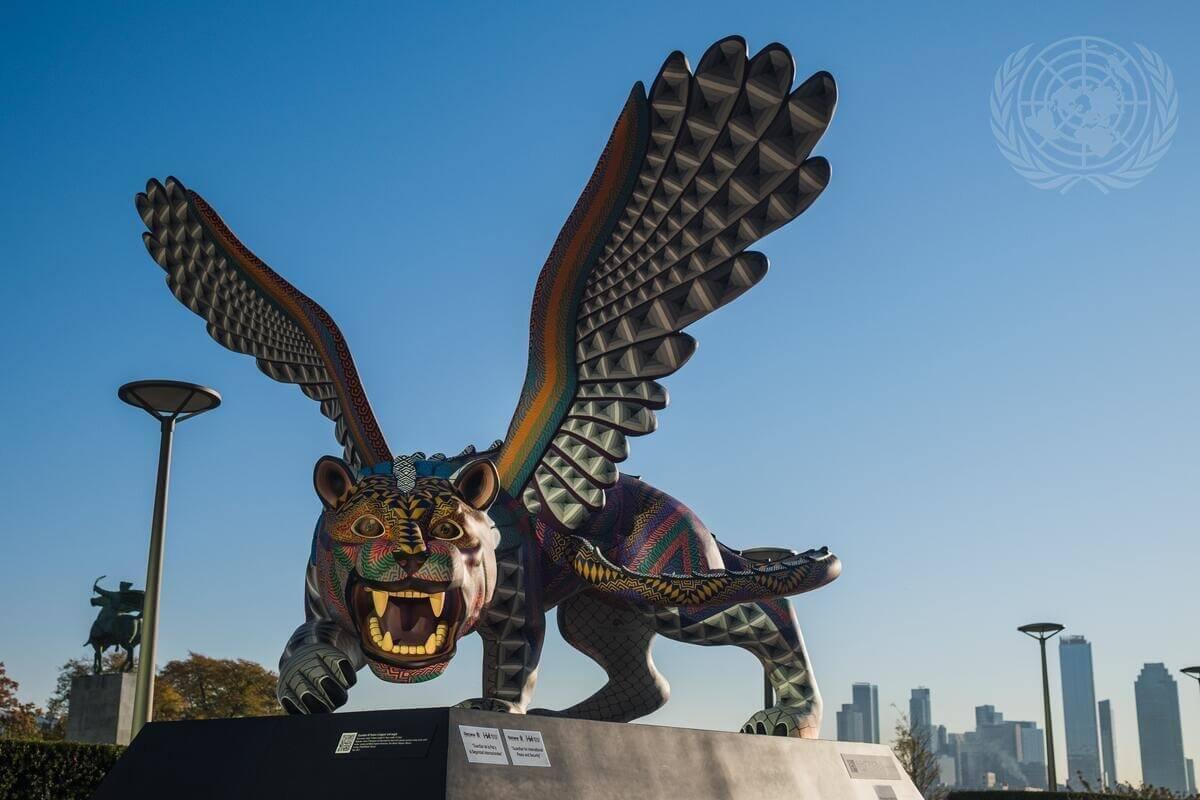
Does The UN Statue Resemble The End Times Beast From Daniel And Revelation?
Posted by Luke J. Wilson on 15th December 2021 in Eschatology |
...There’s been a lot of fuss on the internet lately about this new statue that the UN has erected outside their headquarters on the Visitor’s Plaza.
I’ve seen screenshots of the original tweet shared on Facebook and other social media platforms, as well as copious articles flooding my newsfeed, all suggesting the same thing: this is the beast from Daniel 7. This of course carries with it the implication that it is also a fulfilment of that prophecy and therefore we should expect something more to happen soon, like “the antichrist” to rise up and consume the world. Or something along those lines. I don’t follow the Dispensational “end times” view a...
Important Updates about That Ancient Faith
Posted by Luke J. Wilson on 17th March 2023 in General Interest | updates,new branding,new logo,press release
...I am excited to announce that the brand "That Ancient Faith" will be changing its name to The Sacred Faith.
As the readership of That Ancient Faith has grown, there has been a risk of confusion with the well-known Orthodox Christian publisher and broadcaster “Ancient Faith”. To develop a distinctive look and to avoid any potential confusion, I have decided to rebrand the website as The Sacred Faith.
The Sacred Faith will continue to offer the same great content that readers have come to expect from That Ancient Faith. The website and social media channels will remain the same, with only the name and branding changing.
I'm excited about this new ch...
What is Truth?
Posted by Luke J. Wilson on 29th July 2026 in Faith & Reason | truth,incarnation,pilate,philosophy,theology
...��Pilate asked him, ‘What is truth?’ (John 18:38)
What is “truth”? A question famously asked by Pilate to Jesus during his trial. Ironically, Pilate was speaking to the embodiment of Truth itself.
John 14:6Jesus said to him, ‘I am the way, and the truth, and the life.’
Here’s a little ‘riddle’ to think about while you read this; see if you agree or not: “all truth is fact, but not all facts are truth”. I’ll explain it at the end if you’re confused.
Jesus is the ultimate Truth, but in a world and society that is becoming increasingly more relative, how do we test the truth and know what’s real or not? Especially with the su...
Powered by WebBoss.io 3.7.1
Copyright © 2026 The Sacred Faith: Timeless Truths for Modern Minds. All Rights Reserved.
