
Blog Search Results


39 results for nicene council
found
within the Blog
6 displayed out of 39 (0.42seconds)Page 4 of 7

Evidence of the Trinity in the Hebrew Scriptures
Posted by Arnold Fruchtenbaum on 8th November 2017 in Trinity | trinity,monotheism,shema,Jewish,Jews,Messiah,messianic,Jews for Jesus,jewsforjesus.org,tri-unity,creeds
Table of Contents
Jewishness and the Trinity
1. God Is A Plurality
The Name Elohim
Plural Verbs used with Elohim
The Name Eloah
Plural Pronouns
Plural Descriptions of God
The Shema
II. God Is At Least Two
Elohim and YHVH Applied to Two Personalities
III. God Is Three
How Many Persons Are There?
The Three Personalities in the Same Passage
Conclusion
New Testament Light
I was recently in some discussions/debates online about the nature of God and whether the "Trinity" exists, or if God is purely singular and exists in different forms rather than different persons.
This idea that God has different "forms" or "mod...
Creedal Christians: Introduction
Posted by Luke J. Wilson on 29th September 2018 in Early Church | creeds,creedal Christians,creedal,early church,church history
I’m starting a new four part series over the coming weeks which will be looking at the different historical creeds of the Church which have been recited, used and handed down for two millennia, beginning with the very first formal creed: the Apostles Creed. This series will be a mixture of historical background plus a commentary on the creed itself to see where each statement is based in Scripture, and why we can trust them to accurately portray the Faith.
What are creeds and why should we accept them?
The word “creed” comes from the Old English crēda, and from Latin crēdo meaning “I believe”. A creed is basically a set of beliefs which you profess...
What is Monarchical Trinitarianism?
Posted by Luke J. Wilson on 21st July 2024 in Trinity | trinity,monarchy of the Father,Monarchical Trinitarianism,church fathers,church history
Monarchical Trinitarianism, also referred to as the “Monarchy of the Father,” is a theological perspective that asserts the Father as the sole source (or monarch) within the Trinity. This view maintains a clear distinction of roles among the Father, the Son, and the Holy Spirit while upholding their unity in essence. It is essential to distinguish this from Monarchianism, a heretical belief condemned in the 4th century, which posited that God is a single person rather than three distinct persons.
The Eternal Begottenness of the Son
The term “created” used by the early pre-nicene Fathers does not align with the Arian view, which posits that the Son was...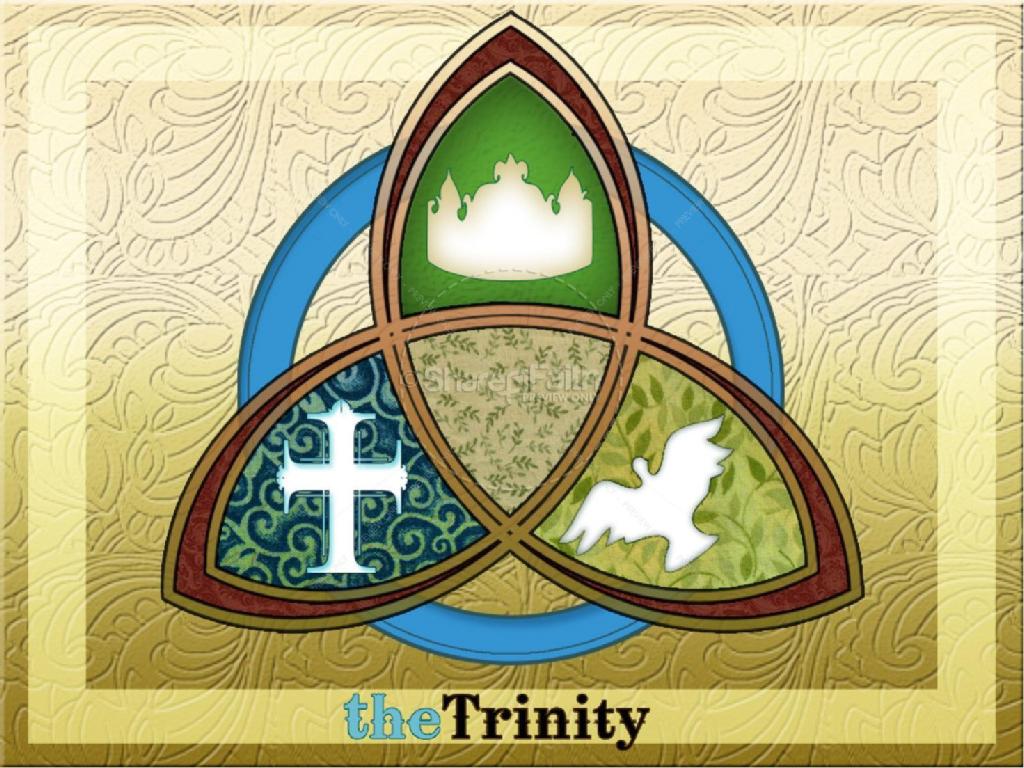
The Battle for the Trinity: Historical Heresies and Church Defences
Posted by Luke J. Wilson on 1st July 2024 in Trinity | trinity,heresy,heretics,theology,creeds
The Trinity is a cornerstone of Christian faith, defining God as one Being in three Persons: Father, Son, and Holy Spirit. However, throughout history, various misunderstandings and false teachings — known as heresies — have arisen, challenging this core doctrine. Understanding these heresies can strengthen our faith and deepen our appreciation for the truths held by the Church since its earliest days.
What Is the Trinity?
Before diving into the heresies, let’s briefly review what we mean by the Trinity. The Christian doctrine of the Trinity teaches that God is one essence in three distinct Persons:
The Father: The Creator and sustainer of al...
Why Read The Early Church Fathers?
Posted by Luke J. Wilson on 8th December 2017 in Early Church | church history,daily devotional,daily reading,early church,early church fathers,new book,amazon
Why read the Early Church Fathers?
Maybe for some of you reading this, the question might better be phrased as: who are the Church Fathers?
No doubt you will be familiar with some of their names: Augustine, Jerome, Clement, Ignatius, Polycarp, Justin Martyr et al. You may have even read portions or quotes by some of these men. But that still doesn't really explain to you who they are and why you should care, much less actually read any of their works.
My new book deals with a selection of some of the most influential Early Church Fathers, sometimes also referred to as the Apostolic Fathers (if they lived between AD 70-150), or collectively as the Ante nicene...
Should Christians get tattoos, and is it Biblical?
Posted by Luke J. Wilson on 31st August 2019 in Tattoos | tattoos,church history,Basil the Great,Leviticus,Old Testament
I was in a discussion not so long ago about tattoos, and I was asked about the historical view on this practice. It wasn’t something I had looked into before from a Church Fathers point of view, so it was an interesting topic of study. In my searching, I found this article from a Catholic site which seems to give a pretty interesting overview of some of the views about tattoos in the earlier centuries. The following is a quote about a Church council in the context of native Britons, who still practiced tattooing at that time for pagan ritual, something which Tertullian also gives a fleeting reference to around 213 AD in his On the Veiling of Virgins, ch. 10....
Powered by WebBoss.io 3.7.1
Copyright © 2026 The Sacred Faith: Timeless Truths for Modern Minds. All Rights Reserved.
