
Blog Search Results


34 results for persecution
found
within the Blog
6 displayed out of 34 (0.04seconds)Page 4 of 6
Lent: Day 12 - Justin Martyr: First Apology, Chaps. 1-11
Posted by Luke J. Wilson on 14th March 2017 in Lent | Lent,great lent,fasting,early church fathers,devotional,daily reading,Justin Martyr,apologetics
Day Twelve: St. Justin Martyr: First Apology, Chaps. 1-11
Who: Justin Martyr was a Philosopher who converted to Christianity and became a tireless evangelist and apologist. Justin wrote more Christianity than any other person prior to his time. He is classified herein as Eastern, since he a native of Samaria and his thought patterns were Eastern. However, he spent the last years of his life in Rome, where he was executed as a martyr (c. 165).
What: An apologetic (defence) essay to explain what Christians believe and do.
Why: Justin is demanding the Emperor to investigate accusations and unjust persecution against Christians so that they at least may face a f...
Lent: Day 13 - Justin Martyr: First Apology, Chaps. 12-23
Posted by Luke J. Wilson on 15th March 2017 in Lent | Lent,great lent,fasting,early church fathers,devotional,daily reading,Justin Martyr,apologetics
Day Thirteen: St. Justin Martyr: First Apology, Chaps. 12-23
Who: Justin Martyr was a Philosopher who converted to Christianity and became a tireless evangelist and apologist. Justin wrote more Christianity than any other person prior to his time. He is classified herein as Eastern, since he a native of Samaria and his thought patterns were Eastern. However, he spent the last years of his life in Rome, where he was executed as a martyr (c. 165).
What: An apologetic (defence) essay to explain what Christians believe and do.
Why: Justin is demanding the Emperor to investigate accusations and unjust persecution against Christians so that they at least may face...
Lent: Day 15 - Justin Martyr: First Apology, Chaps. 36-47
Posted by Luke J. Wilson on 17th March 2017 in Lent | Lent,great lent,fasting,early church fathers,devotional,daily reading,Justin Martyr,apologetics
Day Fifteen: St. Justin Martyr: First Apology, Chaps. 36-47
Who: Justin Martyr was a Philosopher who converted to Christianity and became a tireless evangelist and apologist. Justin wrote more Christianity than any other person prior to his time. He is classified herein as Eastern, since he a native of Samaria and his thought patterns were Eastern. However, he spent the last years of his life in Rome, where he was executed as a martyr (c. 165).
What: An apologetic (defence) essay to explain what Christians believe and do.
Why: Justin is demanding the Emperor to investigate accusations and unjust persecution against Christians so that they at least may face...
My new book, available now! Take a journey through the first 400 years of Church History in only 40 days!
Posted by Luke J. Wilson on 2nd November 2018 in Early Church | book,40 days,church fathers,church history,maps,reading plan,devotional,daily reading,daily devotional
Take a journey through the first 400 years of Church History in only 40 days!
"40 Days with the Fathers" is a daily reading plan/devotional spread out over forty days; and over the course of this reading plan you will read extracts and commentary on 23 different early Church texts from a selection of some of the most influential Church Fathers, such as:
Didache, Diognetus, Polycarp, Ignatius, Justin Martyr, Cyprian, Athanasius, Cyril of Jerusalem, Ambrose of Milan, and Leo the Great.
These people who came before us, those great men of faith, many of whom suffered persecution and martyrdom to preserve the Church and Christ's mission, bridge the gap between th...
John Chau, missionary to the Sentinelese: martyr or madness?
Posted by Luke J. Wilson on 3rd December 2018 in Missions | sentinelese,John Chau,missionary,martyrdom,martyr,india,current events,tribes people
...targeted persecutions against the Church, but there was also times where persecution was more of a by-product of the Roman Empire’s hostility to those were disloyal to the Emperor. The men and women who were killed during those times were still seen and declared to be martyrs for the faith since they stood strong in their convictions in the face of death. For example in the early centuries, on pain of death, the people of the Roman Empire had to swear loyalty to the Emperor and publicly perform some act of worship and veneration towards him. This wasn’t an attempt to root out Christians necessarily, but they did refuse to partake due to their beliefs in wor...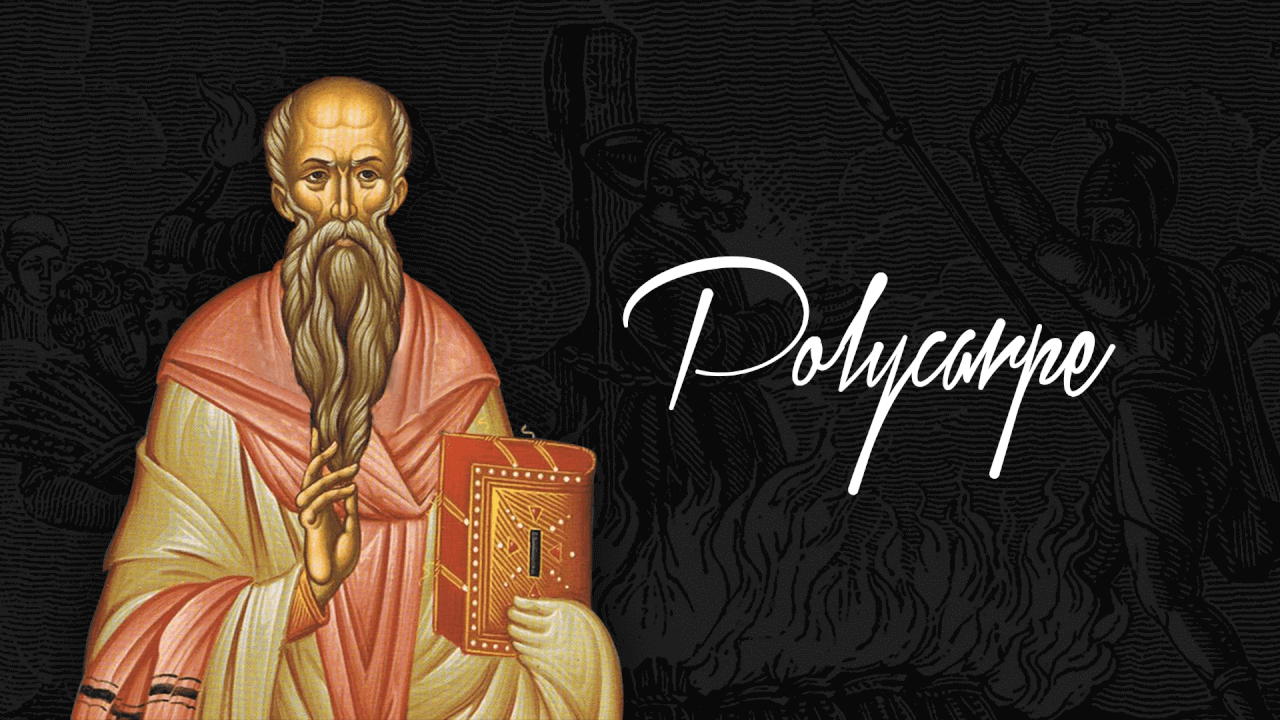
How Polycarp (And Others) Show The Early Use Of The New Testament
Posted by Luke J. Wilson on 21st November 2021 in Early Church | early church,early church fathers,polycarp,new testament,canon,biblical canon
...Nero’s persecution in AD 68, or just before his death around AD 95–97, which gives us some really early insights to the Church during this time.
Within 1 Clement, we can find New Testament quotes and references to:
Matthew
Mark
Luke
Acts
Romans
1 Corinthians
2 Corinthians
Ephesians
Philippians
Hebrews
1 Thessalonians
1 Timothy
Titus
1 Peter
Now we’re at fourteen New Testament texts being used.
Finally, we turn to the earliest and oldest early church text we still have: the Didache.
The Didache is commonly dated between AD 50–70, which also places this being written during the time of the apostles and other New Testament authors. In...
Powered by WebBoss.io 3.7.1
Copyright © 2026 The Sacred Faith: Timeless Truths for Modern Minds. All Rights Reserved.
