
Blog Search Results


81 results for christianity
found
within the Blog
6 displayed out of 81 (0.08seconds)Page 5 of 14
The Coming of Jesus: Daniel's 70 Weeks
Posted by Luke J. Wilson on 16th June 2014 in Second Coming Series | Second Coming,Return of Christ,Return of Jesus,Preterism,Prophecy,Last Days,Left Behind,Part 1,Part one,Daniel,70 weeks
Daniel's 70 Weeks
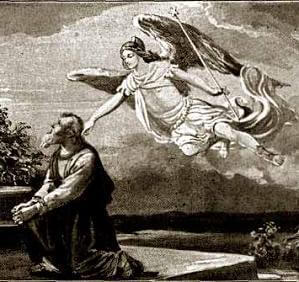
To fully understand Jesus's first, and indeed what is commonly called his "Second Coming," we need to understand the book of Daniel. This prophetic books give many details and glimpses into the future about coming kingdoms, rulers and above all, the Messiah. I'm going to be focussing on just one part of the book, chapter nine, often referred to as "Daniel's 70 Weeks". But just what is "Daniel's 70 Weeks" you might be asking as you read this. For those unfamiliar with Old Testament prophecy, it is a prophetic vision that Daniel was given from God, and interpreted by the angel Gabriel. You can read the prophecy in fu...
Lent: Day 16 - Justin Martyr: First Apology, Chaps. 48-59
Posted by Luke J. Wilson on 18th March 2017 in Lent | Lent,great lent,fasting,early church fathers,devotional,daily reading,Justin Martyr,apologetics
Day Sixteen: St. Justin Martyr: First Apology, Chaps. 48-59
Who: Justin Martyr was a Philosopher who converted to christianity and became a tireless evangelist and apologist. Justin wrote more christianity than any other person prior to his time. He is classified herein as Eastern, since he a native of Samaria and his thought patterns were Eastern. However, he spent the last years of his life in Rome, where he was executed as a martyr (c. 165).
What: An apologetic (defence) essay to explain what Christians believe and do.
Why: Justin is demanding the Emperor to investigate accusations and unjust persecution against Christians so that they at least may face...
Lent: Day 17 - Justin Martyr: First Apology: Chaps. 60-68
Posted by Luke J. Wilson on 20th March 2017 in Lent | Lent,great lent,fasting,early church fathers,devotional,daily reading,Justin Martyr,apologetics,Plato,trinity,baptism,sunday worship
Day Seventeen: St. Justin Martyr: First Apology, Chaps. 60-68
Who: Justin Martyr was a Philosopher who converted to christianity and became a tireless evangelist and apologist. Justin wrote more christianity than any other person prior to his time. He is classified herein as Eastern, since he a native of Samaria and his thought patterns were Eastern. However, he spent the last years of his life in Rome, where he was executed as a martyr (c. 165).
What: An apologetic (defence) essay to explain what Christians believe and do.
Why: Justin is demanding the Emperor to investigate accusations and unjust persecution against Christians so that they at least may fac...
The Problem of Suffering and How We Approach it
Posted by Luke J. Wilson on 6th January 2018 in christianity | evil,suffering,the problem of evil,human suffering,reconcilliation,pain,true religion,pure worship
The topic of human suffering is a subject many Christians struggle with, and is an issue many theologians have written about over the centuries — so it's definitely not something I can fully address in a single blog post!
But there are some general principles we can find in Scripture that many Christians can/do accept, which should act as a starting point to addressing this subject, such as:
We live in a fallen world due to sin (Gen 3), and so things aren’t perfect and neither are people, therefore suffering can happen from illness, nature, and human action (or inaction).
Not all suffering is necessarily “bad”, from a Christian perspective. For exam...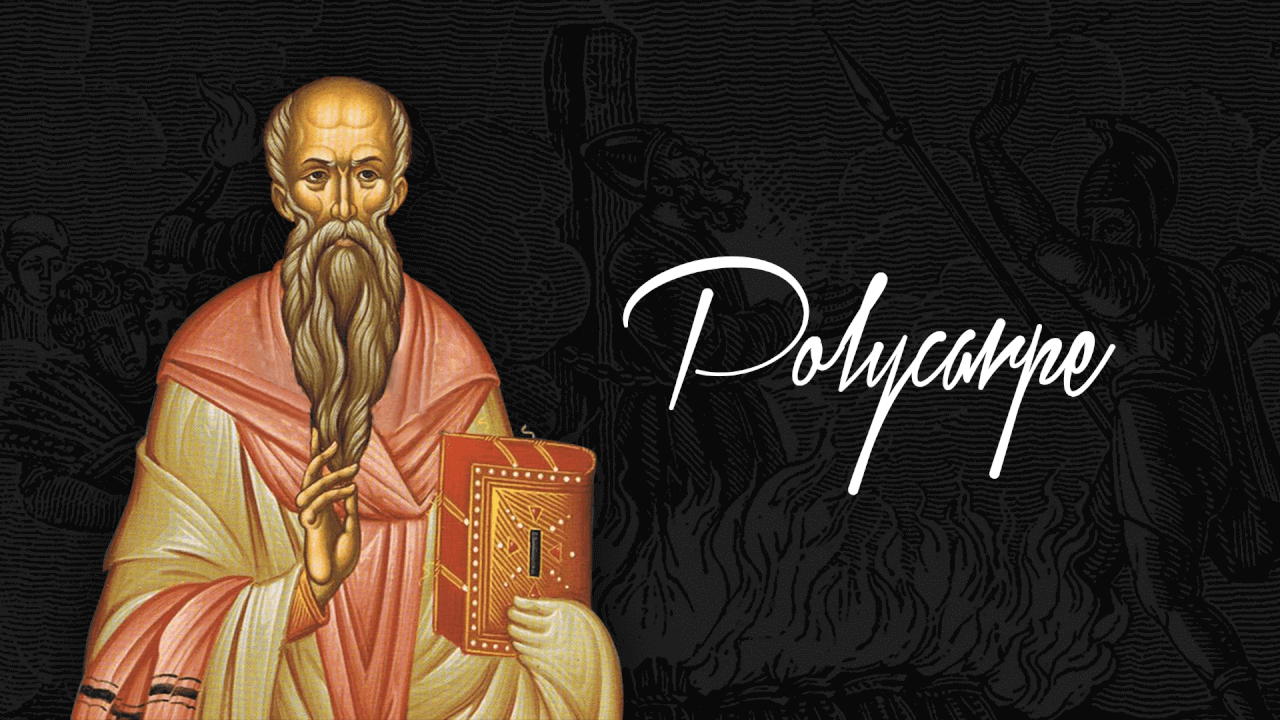
How Polycarp (And Others) Show The Early Use Of The New Testament
Posted by Luke J. Wilson on 21st November 2021 in Early Church | early church,early church fathers,polycarp,new testament,canon,biblical canon
Polycarp is one of the most important people in early church history. He was a disciple of John the Evangelist, and later became the bishop of Smyrna.
Polycarp was born around 69 A.D. in Smyrna, which is now modern-day Turkey. He grew up during a time when Christians were being persecuted for their beliefs, and he himself became a Christian at a young age. Polycarp is regarded as one of the earliest church fathers because he had a significant impact on christianity as it spread throughout Asia Minor and Europe, and he also played an important role in shaping biblical canon for centuries to come.
We don’t know a great deal about his life, apart from t...
7 things the Lord hates (spoiler: questioning doctrine isn't one of them)
Posted by Luke J. Wilson on 2nd May 2014 in christianity | gay marriage,homosexuality,Jars of Clay,Dan Haseltine,controversy,in the news,ethics,morality,justice
By now, most people (in Christian circles, at least) will have heard about the Jars of Clay controversy. For those that are thinking "how on earth could there be controversy over some jars?" let me clarify: they are a contemporary Christian music band. The controversy is because the frontman, Dan Haseltine, tweeted some thoughts on the topic of gay marriage.
Shocking, I know.
This is what started it all:
The treatment of people as less than human based on the color of skin is crazy... Or gender, or sexual orientation for that matter.
— Dan Haseltine (@scribblepotemus) April 21, 2014
Not meaning to stir things up BUT... I...
Powered by WebBoss.io 3.7.1
Copyright © 2026 The Sacred Faith: Timeless Truths for Modern Minds. All Rights Reserved.
