
Blog Search Results


28 results for council of nicaea
found
within the Blog
4 displayed out of 28 (0.63seconds)Page 5 of 5
Lent Day 20: Cyprian: On the Unity of the Church: 19-27
Posted by Luke J. Wilson on 23rd March 2017 in Lent | Lent,great lent,fasting,early church fathers,devotional,daily reading,Cyprian,Bishop of Carthage,unity
Day Twenty: St. Cyprian: On the Unity of the Church: 19-27
Who: Third century bishop of Carthage (in modern Tunisia), and martyr from Africa
What: A letter to encourage the unity of the church against schisms and heresy during massive Roman persecution
Why: A disturbance had happened in the church because of a priest called Novatian — a schismatic of the third century, and founder of the sect of the Novatians. Cyprian wrote to counter this and argues that there can only be one united Church, and the Novatian breakaway was a false church and that Novatian was an antipope.When: Around 249 AD
You can find today’s reading on page 102 here: lentfatherscomple...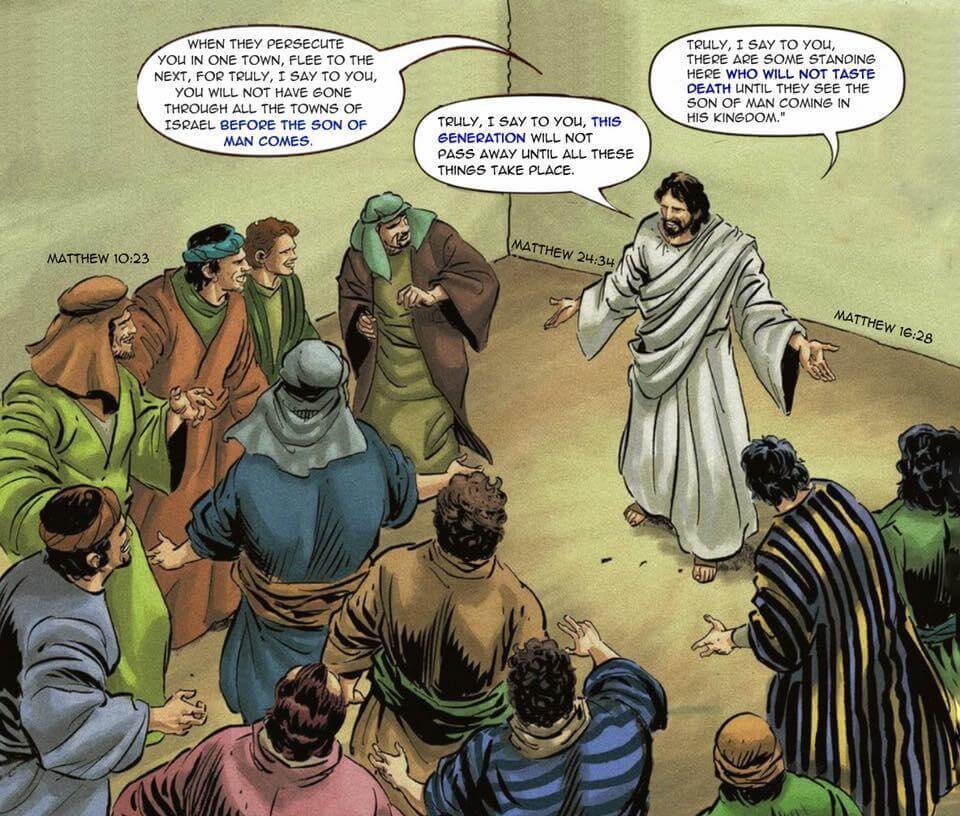
The Coming Kingdom of the Son of Man
Posted by Luke J. Wilson on 20th July 2016 in Eschatology | second coming,preterism,Kingdom of God,Coming kingdom,olivet discourse,Gospels,end times,end of the world,end of the age
The importance of context of what's being said, and to whom, in Scripture.
I came across this image the other day (in the header above; see larger here) that links together three parts of Matthew’s Gospel to highlight the connection which many often miss, or read as separate events. I like the image because it shows that when Jesus spoke these things, he would have been saying them directly to the disciples and others who were listening to his teaching, and not in some cryptic, ambiguous dictation to a prophetic scribe, devoid of all context and meaning to those around him at the time.
Update Feb 2017: I am adding some additional information to this to dis...
Why Read The Early Church Fathers?
Posted by Luke J. Wilson on 8th December 2017 in Early Church | church history,daily devotional,daily reading,early church,early church fathers,new book,amazon
Why read the Early Church Fathers?
Maybe for some of you reading this, the question might better be phrased as: who are the Church Fathers?
No doubt you will be familiar with some of their names: Augustine, Jerome, Clement, Ignatius, Polycarp, Justin Martyr et al. You may have even read portions or quotes by some of these men. But that still doesn't really explain to you who they are and why you should care, much less actually read any of their works.
My new book deals with a selection of some of the most influential Early Church Fathers, sometimes also referred to as the Apostolic Fathers (if they lived between AD 70-150), or collectively as the Ante Nicene...
Lent: Day 5 - Ignatius to the Ephesians
Posted by Luke J. Wilson on 6th March 2017 in Lent | Lent,great lent,fasting,early church fathers,devotional,daily reading,Ignatius of Antioch: Letter to the Ephesians,Ignatius
Day Five: St. Ignatius of Antioch: Letter to the Ephesians (full text)
Who: Ignatius converted at a young age and later became Bishop of Antioch. A friend of Polycarp and fellow disciple of John, there is a long standing tradition that Ignatius was the child that Jesus held in his arms and blessed in Mark 10:13-16
What: The letter has a strong call to and for unity within the church, along with respect for their bishop.
Why: Ignatius wrote a series of letters to the churches in Asia Minor whilst en route to Rome to face martyrdom by wild beasts in the Colosseum around 108 AD.
When: Around 107-108 AD
There is a strong theme to this letter from the outset, an...
Powered by WebBoss.io 3.7.1
Copyright © 2026 The Sacred Faith: Timeless Truths for Modern Minds. All Rights Reserved.
