
Blog Search Results


35 results for egyptian gods
found
within the Blog
6 displayed out of 35 (0.38seconds)Page 5 of 6
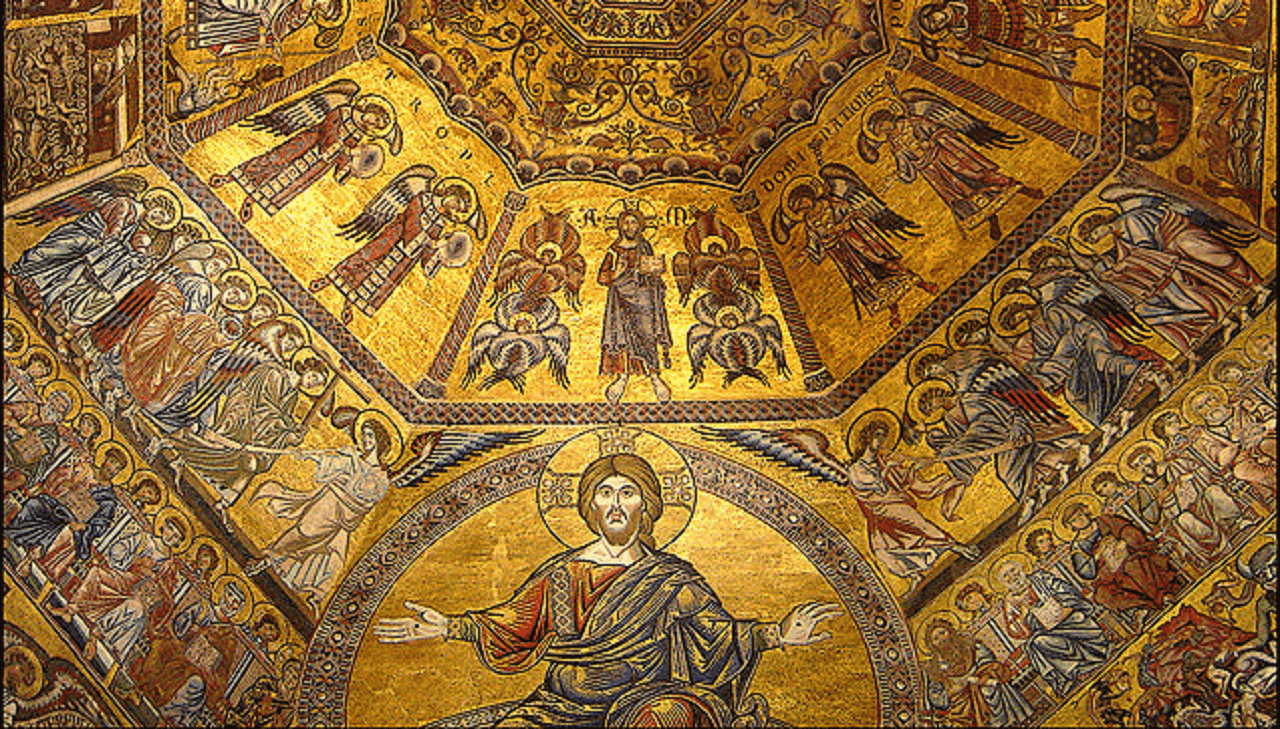
What are the Seraphim, and was the devil one of them?
Posted by Luke J. Wilson on 23rd April 2020 in Angels | devil,satan,angels,seraphim,heaven
Have you ever wondered about what the devil is — or was, pre-Fall? You’ve probably been told that he used to be an angel with God, so then why is he often described as a snake, serpent or dragon?
Though there isn’t a great deal given away in Scripture as to the nature of angels, or the heavenly realms in general, we get some glimpses from the visions of the prophets. But what we can also look at is the words which the Bible uses; some of which aren’t translated and so lose their original meaning in English.
The Seraphim
The word “seraphim” is a transliteration of a Hebrew word, rather than a translation, so in English we often will miss the me...
Slavery in the Bible – Does God Condone Slavery?
Posted by Joshua Spaulding on 15th September 2020 in Slavery | slavery,bond-servant,Philemon
This is a guest post by Joshua Spaulding from eternalanswers.org. The views are that of the author and don't necessarily reflect the views of That Ancient Faith.
As you read through the Scriptures, you will come across some passages that seem to suggest that slavery is not condemned by God. Some who think this to be the case are sincerely seeking truth, while others are only looking for reasons to discount the Bible.
Some of the passages in question are Exodus 21:2-6, Deuteronomy 15:12-15, Ephesians 6:5 and Colossians 4:1 which provide instruction on the treatment of slaves.
In light of these Scriptures, does God condone slavery?
Before diving too deep...
Does Christmas have pagan origins?
Posted by Luke J. Wilson on 19th December 2019 in Christmas | christmas,xmas,origins,pagan,pagan roots,church fathers,church history,Saturnalia,Epiphany,Annunciation,Tertullian,Origen,john chrysostom,incarnation,liturgical calendar,church calendar,festivals
For most people, the question of the origins of Christmas is probably far from their minds. Some may recognise and give a cursory glance towards the Biblical narrative on the birth of Jesus as something to do with it (although a 2017 study showed that almost 1 in 20 Brits thought Easter was the birth of Jesus!);—but in some Christian circles the question (accusation?) that “Christmas is pagan” is at the forefront of their minds.
Table of Contents
When was December 25th celebrated?
The Christian Calendar
Concluding Thoughts
Bonus Information
Further Reading & Sources:
As time goes on and we move further and further into the future,...
7 things the Lord hates (spoiler: questioning doctrine isn't one of them)
Posted by Luke J. Wilson on 2nd May 2014 in Christianity | gay marriage,homosexuality,Jars of Clay,Dan Haseltine,controversy,in the news,ethics,morality,justice
By now, most people (in Christian circles, at least) will have heard about the Jars of Clay controversy. For those that are thinking "how on earth could there be controversy over some jars?" let me clarify: they are a contemporary Christian music band. The controversy is because the frontman, Dan Haseltine, tweeted some thoughts on the topic of gay marriage.
Shocking, I know.
This is what started it all:
The treatment of people as less than human based on the color of skin is crazy... Or gender, or sexual orientation for that matter.
— Dan Haseltine (@scribblepotemus) April 21, 2014
Not meaning to stir things up BUT... I...
What is Monarchical Trinitarianism?
Posted by Luke J. Wilson on 21st July 2024 in Trinity | trinity,monarchy of the Father,Monarchical Trinitarianism,church fathers,church history
Monarchical Trinitarianism, also referred to as the “Monarchy of the Father,” is a theological perspective that asserts the Father as the sole source (or monarch) within the Trinity. This view maintains a clear distinction of roles among the Father, the Son, and the Holy Spirit while upholding their unity in essence. It is essential to distinguish this from Monarchianism, a heretical belief condemned in the 4th century, which posited that God is a single person rather than three distinct persons.
The Eternal Begottenness of the Son
The term “created” used by the early pre-Nicene Fathers does not align with the Arian view, which posits that the Son was...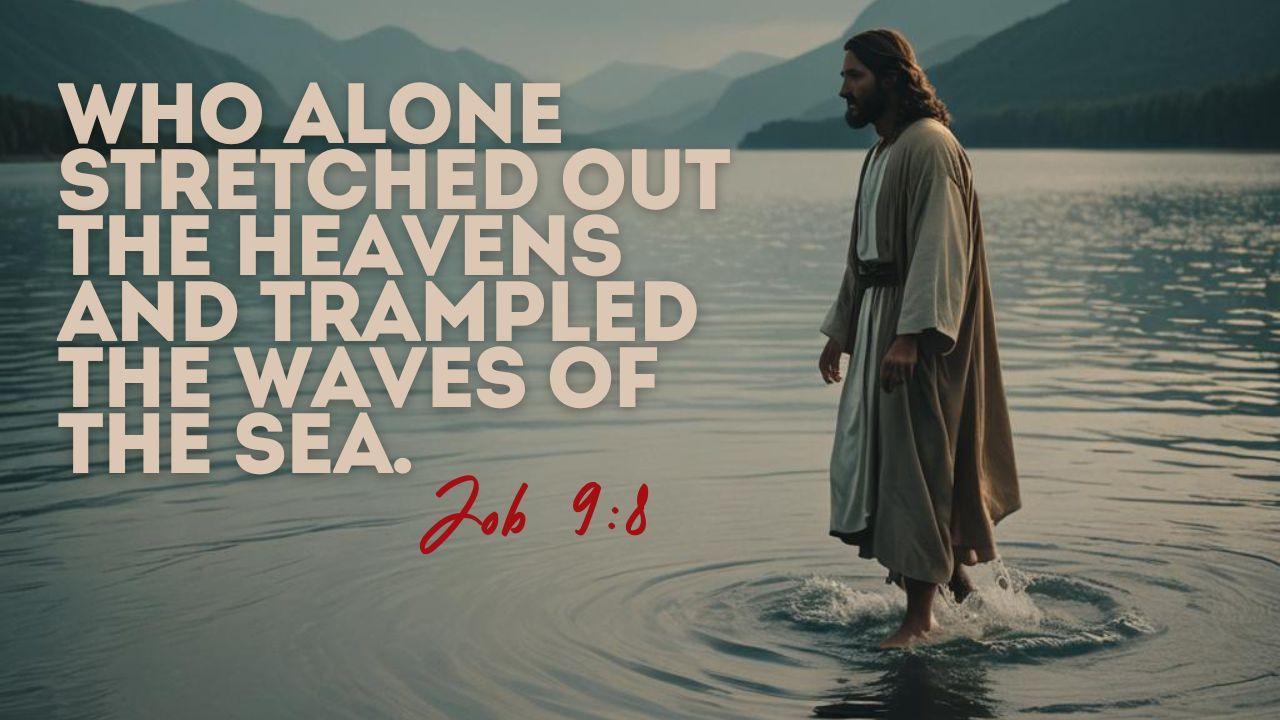
Jesus, Yahweh, And The Power Over The Storm
Posted by Luke J. Wilson on 29th July 2024 in Deity of Christ | Jesus,deity of christ,Yahweh,old testament,elements
Critics of Christianity will often make the claim that Jesus never said he was God or divine in the Gospels. The problem comes when they set unrealistic demands and expectations, like wanting a chapter and verse where Jesus says, “I am God, worship me”. But this isn’t how the Bible works and definitely not how Jesus went about his ministry.
Throughout the Gospels, there are clear connections that reveal the true nature of Jesus in ways that would have been obvious to the Jewish people and leaders of his day who were very familiar with the Torah and other Scriptures we now call the Old Testament. One of the most striking examples is His demonstration of po...
Powered by WebBoss.io 3.7.1
Copyright © 2026 The Sacred Faith: Timeless Truths for Modern Minds. All Rights Reserved.
