
Blog Search Results


62 results for historical
found
within the Blog
6 displayed out of 62 (0.03seconds)Page 5 of 11

Did Herod’s Massacre Of The Innocents historically Happen?
Posted by Luke J. Wilson on 29th December 2025 in Christmas | josephus,herod,nativity,christmas,epiphany,magi
January 6th marks the day in the liturgical calendar when the arrival of the Magi visiting baby Jesus with their gifts is celebrated. But with it comes the often distressing account of what is known as the Massacre of the Innocents. Matthew places this moment of revelation of Jesus as King alongside one of the darkest episodes in his Gospel, and it’s a stark contrast: one King is here to bring peace on earth, as the angels declared, the other king brought death and destruction.
For some readers, this raises an immediate historical question. If Herod truly ordered the killing of all the male children under two in Bethlehem, why does no other ancient historian...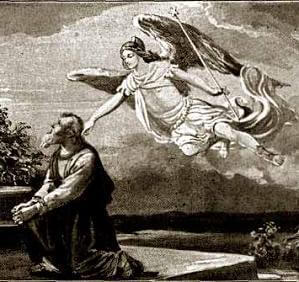
The Coming of Jesus: Daniel's 70 Weeks
Posted by Luke J. Wilson on 16th June 2014 in Second Coming Series | Second Coming,Return of Christ,Return of Jesus,Preterism,Prophecy,Last Days,Left Behind,Part 1,Part one,Daniel,70 weeks
...ording to historical records, would have been 457 BC.
As a point of interest, there is another way in which these initial 7 weeks and 62 weeks can be read which could also explain why the "weeks" are phrased in two parts ("until the time of an anointed prince, there shall be seven weeks; and for sixty-two weeks..."). This first anointed price could well reference Cyrus (as "anointed" doesn't always mean the Messiah in the Saviour sense), and the "word" that went out could be a reference to Jeremiah's prophecy about the Babylonian captivity (which is during the time that Daniel was written). Jeremiah prophesied about Jerusalem about 587 BC, which would in fact...
Creedal Christians: Introduction
Posted by Luke J. Wilson on 29th September 2018 in Early Church | creeds,creedal Christians,creedal,early church,church history
...I’m starting a new four part series over the coming weeks which will be looking at the different historical creeds of the Church which have been recited, used and handed down for two millennia, beginning with the very first formal creed: the Apostles Creed. This series will be a mixture of historical background plus a commentary on the creed itself to see where each statement is based in Scripture, and why we can trust them to accurately portray the Faith.
What are creeds and why should we accept them?
The word “creed” comes from the Old English crēda, and from Latin crēdo meaning “I believe”. A creed is basically a set of beliefs which you profess...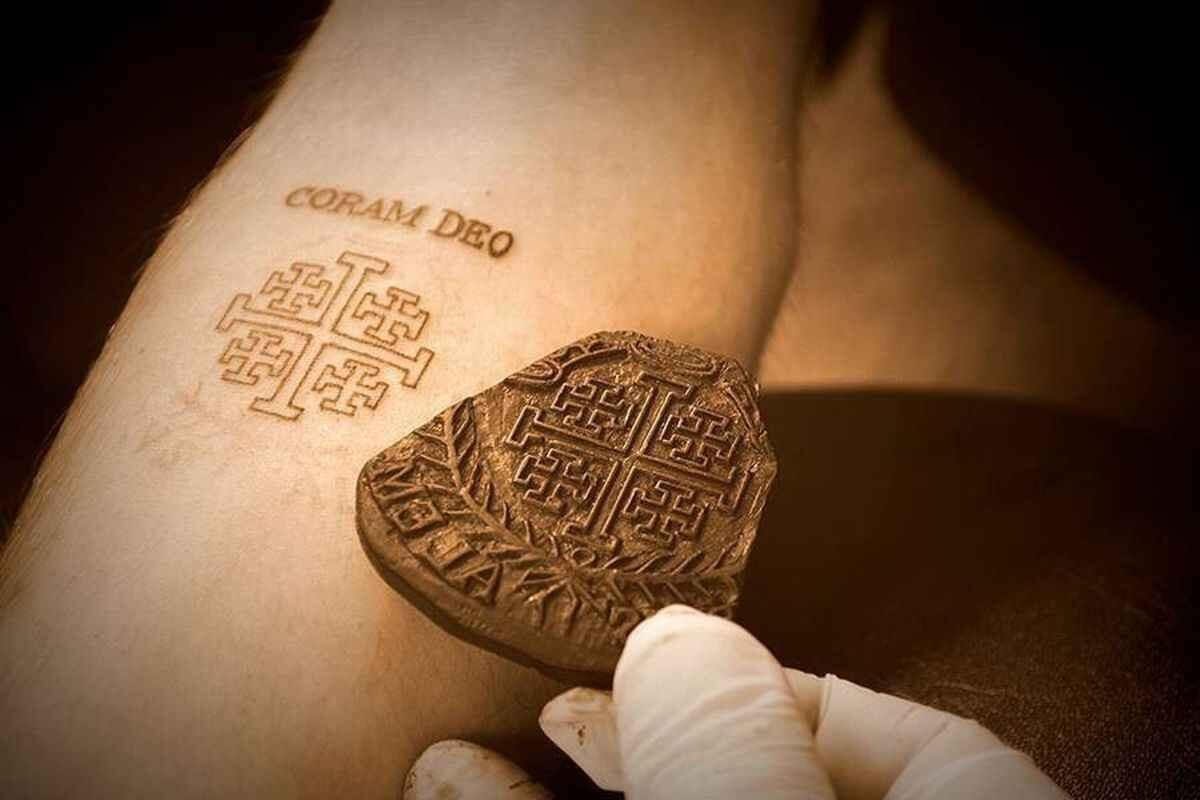
Should Christians get tattoos, and is it Biblical?
Posted by Luke J. Wilson on 31st August 2019 in Tattoos | tattoos,church history,Basil the Great,Leviticus,Old Testament
...I was in a discussion not so long ago about tattoos, and I was asked about the historical view on this practice. It wasn’t something I had looked into before from a Church Fathers point of view, so it was an interesting topic of study. In my searching, I found this article from a Catholic site which seems to give a pretty interesting overview of some of the views about tattoos in the earlier centuries. The following is a quote about a Church Council in the context of native Britons, who still practiced tattooing at that time for pagan ritual, something which Tertullian also gives a fleeting reference to around 213 AD in his On the Veiling of Virgins, ch. 10....
The Relationship Between Jesus and Sophia
Posted by Luke J. Wilson on 22nd July 2021 in Christology | wisdom,Sophia,feminism,women,christology,early church,early church fathers
...lical and historical views on this “Sophia”, as she isn’t a new concept at all. The caption under the Instagram post sounds nice, but it’s ever so slightly off-kilter that it misrepresents everything.
Let’s look at the claims line by line:
Jesus had two moms.Their names areMary and Sophia.
Well, not much to say here yet, but… nope.
You’ve heard about Mary, but do you know about Sophia?
Well, yes, I do. Maybe you, dear reader, know as well. But I began to question whether the author of the caption did.
Sophia is the Greek word for God’s Wisdom.
OK, finally. Getting to some facts and less conjecture. Although I would clarify that “sop...
The Coming of Jesus: The Olivet Discourse – Part 2
Posted by Luke J. Wilson on 3rd February 2016 in Second Coming Series | Second Coming,Return of Christ,Return of Jesus,Preterism,Prophecy,Last Days,Left Behind,Eschatology,Matthew 24,Olivet Discourse,Josephus,history,Part 2,Desolation,Temple Destruction,Jewish War,70AD
...ed in the historical record, they fled! This is what is known as the “flight to Pella” (Mark 13:14-16; Matt 24:16-18; Luke 21:21).
Pella was about 75 miles north of Jerusalem, which, according to Google Maps, would take you 26 hours to walk! That may seem a long way to go, but this is exactly what the Jerusalem Church did as they heeded the warnings from Jesus, and also from an angelic encounter telling them where to flee to!
The people of the Church in Jerusalem were commanded by an oracle given by revelation before the war to those in the city who were worthy of it to depart and dwell in one of the cities of Perea which they called Pella. To it those...
Powered by WebBoss.io 3.7.1
Copyright © 2026 The Sacred Faith: Timeless Truths for Modern Minds. All Rights Reserved.
