
Blog Search Results


114 results for holy week
found
within the Blog
6 displayed out of 114 (0.23seconds)Page 5 of 19

?️ How Do I Become a Christian? A message for Muslims seeking to understand the way of Christ
Posted by Luke J. Wilson on 20th May 2025 in Islam | Islam,islam vs christianity,muslim,Christianity,apologetics
You are not alone. Around the world, many Muslims — people who already believe in one God, pray, and seek to live righteously — are drawn to know more about Jesus (ʿĪsā in Arabic). Some have heard He is more than a prophet. Some have sensed His presence in a dream or vision. And some simply long to know God more deeply, personally, and truly.
So what does it mean to become a Christian? And how can you take that step?
This guide is for you.
1. What Christians Believe About God and Jesus
➤ One God, Eternal and Good
Christians believe in one God — the same Creator known to Abraham, Moses, and the prophets. But we also belie...
Does Christmas have pagan origins?
Posted by Luke J. Wilson on 19th December 2019 in Christmas | christmas,xmas,origins,pagan,pagan roots,church fathers,church history,Saturnalia,Epiphany,Annunciation,Tertullian,Origen,john chrysostom,incarnation,liturgical calendar,church calendar,festivals
...begin the holy week of Easter, all of you fasting in this week with fear and trembling. — Apostolic Constitutions ~390 AD
Much of what is instructed here hasn’t changed at all since the fourth century, which is amazing in itself, I find. There were (and still are) some differences on dates between the Eastern and Western churches, as the Roman Empire obviously had a great deal of influence in the West, especially with the Romans creating the Julian calendar which affected the days and months of the years. In the East, the Church celebrated and developed the Epiphany festival on January 6th which was to commemorate the baptism and birth of Jesus together....
The Eighth Day
Posted by Luke J. Wilson on 26th October 2016 in Eschatology | eighth day,early church,new creation,baptism,resurrection,eschatology,sabbath,Lord's Day,Festival of Booths
...What is the “eighth day” you may ask; surely we know there are only seven days in a week!
But in ancient times, Sunday – which was also known as the first day of the week, was also referred to as the eighth day by Christians.
This day was considered a holy day from the earliest of times by Christians (despite some weak arguments that Constantine, or the Pope, “changed the Sabbath” some 400 years later), and this was because it was the day on which Christ rose from the dead!
I will make a beginning of the eighth day, that is, a beginning of another world. For that reason, also, we keep the eighth day with joyfulness, the day on which Jesus rose aga...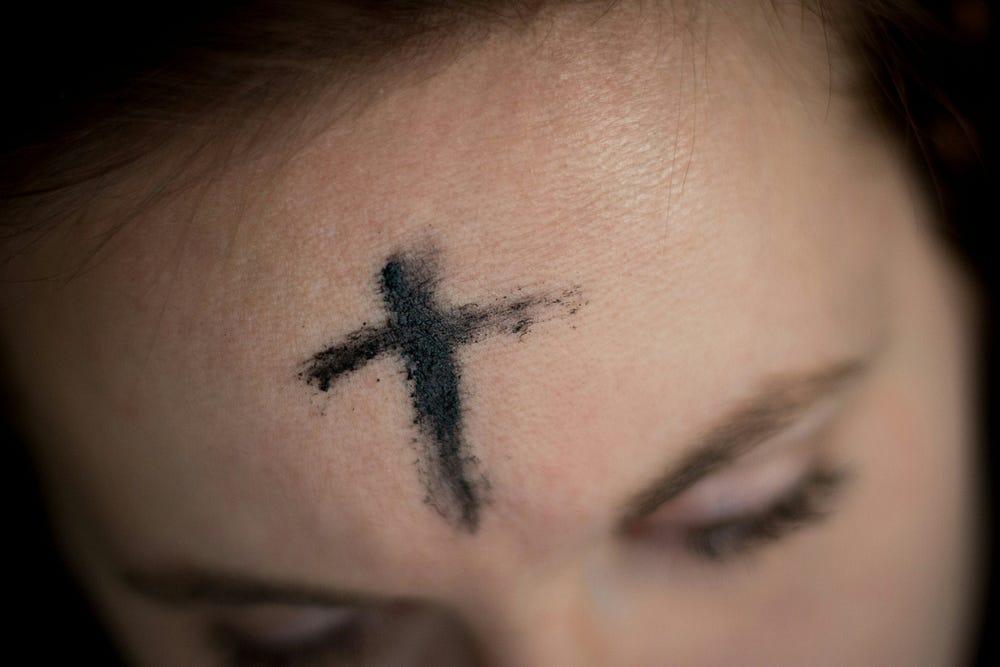
From Dust to Redemption: The Meaning of Ash Wednesday
Posted by Luke J. Wilson on 5th March 2025 in Lent |
...begin the holy week of the great Easter on the tenth of the month Pharmuthi [Palm Sunday], in which, my beloved brethren, we should use more prolonged prayers, and fastings… — Athanasius, Letter III (c. AD 332)
The early Lenten fast was stricter than modern observances. Many early Christians abstained not only from meat but also from dairy, eggs, and wine. In some traditions, believers ate only one meal per day, typically in the evening. While practices have evolved over time, the principle remains the same: Lent is a time of self-discipline, spiritual renewal, and preparation for Easter.
Meaning and Observance of Ash Wednesday
Ash Wednesday serves as...
Lent Day 30: Cyril of Jerusalem: Catechetical Lectures: Lecture XIX
Posted by Luke J. Wilson on 4th April 2017 in Lent | Lent,great lent,fasting,early church fathers,devotional,daily reading,Doctor of the Church,lectures,liturgy,catechism,Bishop of Jerusalem
...Day Thirty: St. Cyril of Jerusalem: Catechetical Lectures: Lecture XIX
Who: Bishop of Jerusalem and Doctor of the Church, born about 315; died probably 18 March, 386. Little is known of his life, except from his younger contemporaries, Epiphanius, Jerome, and Rufinus, as well as from the fifth-century historians, Socrates, Sozomen and Theodoret.
What: Each of the lectures deal with a different topic to teach converts the mysteries of the Church, particularly: rites of the renunciation of Satan and his works, of anointing with oil, of baptism, of anointing with the holy chrism, and of partaking of the body and blood of Christ.
Why: Cyril delivered to new conve...
The Deity of Christ in the Gospel of Matthew - Part 1
Posted by KingsServant on 22nd December 2022 in Apologetics | islam,islam vs christianity,debate,gospels,apologetics,deity of christ
...The titles “Jehovah” and “God” given to Jesus in Matthew 1
This is a guest post by “KingsServant”, see Part 2 here.
In this series of articles, I want to present the case that Matthew teaches Jesus is God, from the arguments I made in 2 moderated debates with a Muslim apologist, Mohammed Abd al Razack, commonly known as Al Yemeni. Although I will be going into far more detail, not having to deal with the tight time controls of a debate format.
The moderated debate on YouTube with me (KingsServant)
Matthew’s teaching of the Trinity and in particular that Jesus is God is by no means limited to the baptismal formula given by Christ after h...
Powered by WebBoss.io 3.7.1
Copyright © 2026 The Sacred Faith: Timeless Truths for Modern Minds. All Rights Reserved.
